
How to Manage Dental Equipment Maintenance Schedules
- 1. The Importance of Dental Equipment Maintenance
- 2. Creating a Dental Equipment Maintenance Schedule
- 3. Tools for Managing Maintenance Schedules
- 4. Case Study: Effective Equipment Maintenance
- 5. Recommended Products for Dental Equipment Care
1. The Importance of Dental Equipment Maintenance
Proper maintenance of dental equipment is crucial for ensuring patient safety, prolonging the lifespan of the tools, and minimizing costly repairs. Regular maintenance prevents malfunctions during procedures, which can lead to delays or safety risks. By following a structured maintenance schedule, dental practices can stay ahead of potential issues and maintain optimal performance for all devices.
2. Creating a Dental Equipment Maintenance Schedule
Developing a reliable maintenance schedule is key to keeping your dental equipment in top condition. Here’s how you can create an effective schedule:
- Assess Your Equipment: Start by listing all the dental equipment in your practice. Identify each tool’s usage frequency, manufacturer recommendations, and common issues.
- Frequency of Maintenance: For daily, weekly, monthly, and annual tasks, create a checklist that outlines when each maintenance task needs to be performed. For example, sterilizing equipment daily, lubricating tools monthly, and performing deep cleaning annually.
- Assign Responsibility: Designate staff members who will be responsible for carrying out and tracking the maintenance tasks. This ensures accountability and consistency.
- Track Performance: Keep a log to track when maintenance is performed. This log will help ensure that no tasks are skipped and can also serve as a reference for future maintenance needs.
3. Tools for Managing Maintenance Schedules
To ensure your maintenance schedule is adhered to, various tools can help streamline the process:
- Digital Maintenance Management Software: Software like Dental Practice Management Software can automate reminders and track maintenance tasks. It helps streamline scheduling, inventory tracking, and documentation.
- Spreadsheet Trackers: For smaller practices or those starting to implement a schedule, simple spreadsheets can be an effective and low-cost option to track equipment and maintenance tasks.
- Mobile Apps: Some mobile apps are specifically designed for managing equipment maintenance. These apps allow you to set reminders and keep real-time records of maintenance performed.
4. Case Study: Effective Equipment Maintenance
In one of our case studies, a mid-sized dental practice in California implemented a structured maintenance schedule after experiencing frequent equipment malfunctions. By establishing a clear schedule with detailed tasks for each piece of equipment, and integrating it with their practice management software, they were able to reduce equipment-related downtime by 40%. The practice also reported a significant increase in patient satisfaction, as procedures were no longer delayed due to broken or poorly maintained tools.
5. Recommended Products for Dental Equipment Care
To ensure that your dental tools stay in excellent condition, here are some products and services you might consider:
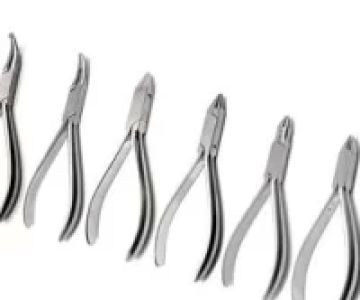
- Dental Equipment Cleaner: Use specialized cleaners that are safe for dental tools to ensure proper sanitation without causing damage. These cleaners are designed to maintain the integrity of the equipment while providing a thorough cleaning.
- Lubrication Tools: Many dental tools require regular lubrication to ensure smooth operation. Invest in high-quality lubricants that are specifically designed for dental equipment.
- Service Contracts: Consider signing a service contract with a professional technician who can perform regular inspections and maintenance, ensuring that all equipment is in top working order.
For more information on products and services to maintain your dental equipment, click here to visit Dentistry Toothtruth.

 UCLA Venice Dental Center3.0 (41 review)
 Advanced Family Smile Care P.C.4.0 (237 review)
 Dental Solutions of Roxborough4.0 (219 review)
 Kanwar Gill, BDS0.0 (0 review)
 Mark C Svore & Associates4.0 (22 review)
 JW Dentistry (formerly Dr. Wayne Wong, DDS)5.0 (62 review)
 The Importance of Oral Health Education During Pregnancy for a Healthy Pregnancy
 Best Tips for Brushing Your Teeth Properly for Healthy Gums: Essential Techniques for Oral Health
 Why Skipping Dental Checkups Can Lead to Bigger Oral Health Problems
 Advantages of Porcelain Dental Restorations
 How Can Diabetes Cause Tooth and Gum Problems? Preventing and Managing Oral Health Issues
 Healthy Habits for Promoting Good Oral Health and Hygiene: Tips for a Healthy Smile