
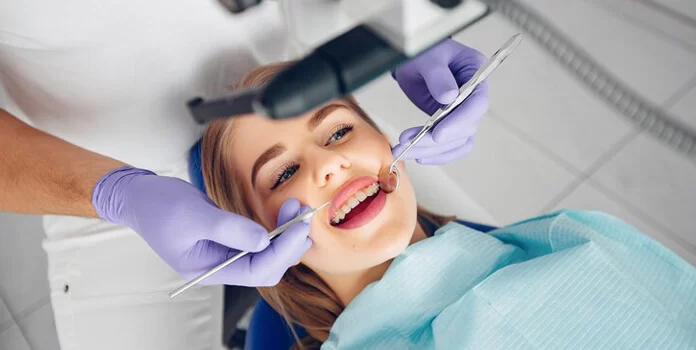
How to Maintain Restored Teeth: Essential Tips for Long-lasting Dental Care
- Why Proper Care for Restored Teeth Is Essential
- How to Care for Fillings, Crowns, and Veneers
- The Best Oral Hygiene Practices for Restored Teeth
- Foods to Avoid After Dental Restorations
- Signs of Damage to Restored Teeth and When to Visit the Dentist
Why Proper Care for Restored Teeth Is Essential
Dental restorations like fillings, crowns, and veneers are designed to restore the function and appearance of your teeth. However, these restorations are not immune to wear and tear. Proper care is essential to ensuring that your dental work lasts as long as possible and that your overall oral health remains optimal.
Restored teeth are more vulnerable to damage and staining compared to natural teeth, so maintaining them with good oral hygiene practices will help avoid complications, protect your investment in dental work, and reduce the risk of needing additional procedures down the road.
How to Care for Fillings, Crowns, and Veneers
Caring for different types of dental restorations involves specific steps to ensure they remain in top condition. Below are tips for the most common restorations:
- Fillings: After getting a filling, avoid eating hard or sticky foods for at least 24 hours to ensure the filling sets properly. Brush and floss carefully around the filled tooth to prevent plaque buildup and decay around the edges.
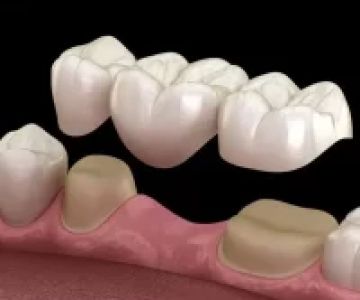
- Crowns: Crowns are durable, but they can still be damaged by excessive force. Avoid using your teeth to open packages or chew ice. Brush and floss around crowns to maintain a clean surface and prevent gum disease from developing at the crown's edges.
- Veneers: Veneers can stain over time, so it’s important to avoid foods and drinks like coffee, tea, and red wine. Additionally, use a soft-bristled toothbrush and avoid biting hard objects to preserve the integrity of the veneer.
By following these care instructions, you can ensure your dental restorations remain strong and functional for years to come.
The Best Oral Hygiene Practices for Restored Teeth
Good oral hygiene is crucial for the longevity of your dental restorations. Here are some practices you should follow:
- Brush Regularly: Brush your teeth twice a day with fluoride toothpaste. Be gentle around your restored teeth to avoid damaging the restoration or your gums.
- Floss Daily: Flossing is essential to remove plaque and food particles from between your teeth, especially around restorations where bacteria can hide.
- Use Antibacterial Mouthwash: An antibacterial mouthwash can help reduce plaque buildup around your restorations and prevent gum infection.
- Visit Your Dentist Regularly: Regular check-ups with your dentist are vital to ensure that your restorations are still in good condition and to detect any potential issues before they worsen.
Consistent oral hygiene practices will help keep your restorations clean, preventing plaque buildup and potential decay that could damage the work done on your teeth.
Foods to Avoid After Dental Restorations
Some foods can be harmful to your dental restorations, causing staining, breakage, or other issues. To prolong the life of your dental work, avoid the following foods:
- Hard Foods: Chewing hard candies, ice, or nuts can cause fillings and crowns to crack. Stick to softer foods to prevent any damage.
- Sticky Foods: Sticky candies, caramel, and gum can pull at fillings and veneers, potentially dislodging them. These foods can also trap sugar and bacteria against the tooth surface, leading to decay.
- Acidic Foods: Citrus fruits, tomatoes, and vinegar-based dressings can wear down the enamel and the surface of your restorations, leading to discoloration or damage.
Opt for a balanced diet of fruits, vegetables, and other non-acidic, non-sticky foods to keep your teeth and restorations in good condition.
Signs of Damage to Restored Teeth and When to Visit the Dentist
Even with proper care, restorations can sometimes experience damage. Here are some signs that your dental restoration may need attention:
- Increased Sensitivity: If you experience sudden sensitivity to hot or cold food and drinks, your restoration may be damaged or loose.
- Visible Cracks or Chips: Crowns, fillings, and veneers can crack or chip. If you notice any visible damage, schedule a visit to your dentist immediately.
- Discomfort or Pain: Ongoing pain or discomfort around the restored tooth may indicate that the restoration is compromised, or decay has developed around it.
- Staining or Discoloration: While some staining is normal, significant changes in color could suggest that the restoration is deteriorating or that food has penetrated the surface.
If you notice any of these signs, it’s important to visit your dentist as soon as possible to prevent further damage and ensure your restorations remain effective and functional.

 Family and Cosmetic Dentistry of Randolph, Dr. Anthony Fusco & Dr. Joseph Caravano5.0 (280 review)
 Facer Hales Parker Dentistry4.0 (601 review)
 Community Health Centers4.0 (206 review)
 Dr. Dhaval Shah, DDS1.0 (1 review)
 Beautiful Smilez Dentistry5.0 (14 review)
 Ideal Smile Dental - Bensalem4.0 (602 review)
 The Importance of Oral Health Education During Pregnancy for a Healthy Pregnancy
 Best Tips for Brushing Your Teeth Properly for Healthy Gums: Essential Techniques for Oral Health
 Why Skipping Dental Checkups Can Lead to Bigger Oral Health Problems
 Advantages of Porcelain Dental Restorations
 How Can Diabetes Cause Tooth and Gum Problems? Preventing and Managing Oral Health Issues
 Healthy Habits for Promoting Good Oral Health and Hygiene: Tips for a Healthy Smile