
Understanding the Challenges of Maintaining Oral Hygiene with Spacers and Braces
Orthodontic treatment, including the use of spacers and braces, plays a crucial role in achieving a beautiful and well-aligned smile. However, these devices can present significant challenges when it comes to maintaining oral hygiene. Spacers, small elastic or metal devices placed between teeth to create space for braces, and braces themselves introduce numerous nooks and crannies that trap food particles and plaque. If not properly cleaned, this can lead to gum inflammation, tooth decay, and unpleasant odors.
Many patients in the United States face the common struggle of balancing orthodontic treatment with effective dental care. Understanding the unique obstacles spacers and braces bring can motivate patients to adopt better oral hygiene habits. For example, a teenager named Emily shared her story about nearly developing a cavity during her first month of braces because she underestimated the effort required to clean around the hardware. Her experience underscores why a strategic oral care routine is essential.
Essential Tools for Oral Hygiene with Spacers and Braces
1. Orthodontic Toothbrushes and Interdental Brushes
Traditional toothbrushes may not be enough when it comes to cleaning around brackets and spacers. Orthodontic toothbrushes with V-shaped bristles are designed to reach under the wires and clean the surfaces effectively. Additionally, interdental brushes help clean the tight spaces between teeth and around brackets where plaque builds up most easily.
2. Water Flossers for Effective Plaque Removal
Water flossers are a modern and convenient tool that uses a pressurized stream of water to remove food debris and plaque from hard-to-reach areas. Especially for patients with spacers and braces, water flossers can improve gum health and reduce the risk of gingivitis. Many dentists in the U.S. recommend incorporating water flossing into daily oral hygiene routines for orthodontic patients.
3. Fluoride Toothpaste and Mouthwash
Using fluoride toothpaste helps strengthen enamel and protects teeth against decay. Complementing brushing with a fluoride mouthwash provides an extra layer of protection, reaching areas that brushing alone might miss. It also helps in soothing inflamed gums, which are common during orthodontic treatments.
Step-by-Step Oral Care Routine for Spacers and Braces
1. Brushing Technique and Frequency
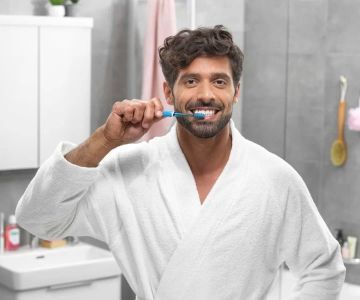
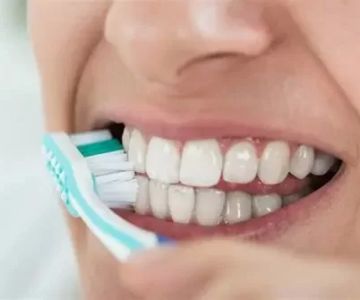
Brush your teeth at least twice a day, ideally after every meal. When brushing with braces, hold the toothbrush at a 45-degree angle to clean above and below the brackets thoroughly. For spacers, pay special attention to the areas around them to remove trapped food particles. It often takes longer than brushing natural teeth, so allocate at least two to three minutes each time.
2. Flossing Made Easier
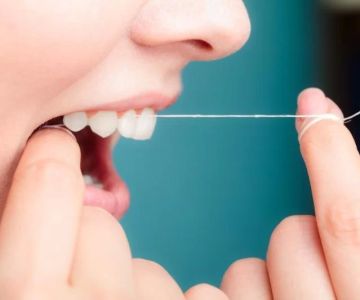
Flossing with braces can be intimidating, but it is essential for removing plaque between teeth. Use floss threaders or specialized orthodontic flossers to get underneath wires and between teeth. Doing this once daily can significantly reduce cavities and gum disease risks.
3. Use Mouthwash and Rinse Properly
After brushing and flossing, rinse with a fluoride mouthwash to reduce bacteria and remineralize tooth enamel. Swish the mouthwash for 30 seconds to one minute for maximum effect. This habit can help prevent white spot lesions around brackets, a common issue for braces wearers.
Diet and Lifestyle Tips to Support Oral Hygiene During Orthodontic Treatment
What you eat has a direct impact on your oral health, especially with spacers and braces. Sticky and sugary foods can cling to braces and spacers, promoting bacterial growth and decay. It’s best to avoid gum, caramel, hard candies, and popcorn. Instead, focus on a balanced diet rich in fresh fruits, vegetables, and water, which help keep your mouth clean naturally.
Another important lifestyle tip is to avoid habits such as nail-biting or chewing on pens, which can damage your braces and increase plaque buildup. Regular dental check-ups and cleanings are critical during orthodontic treatment to catch potential problems early and receive professional guidance tailored to your needs.
Managing Common Issues: Discomfort and Hygiene Challenges
Patients often experience discomfort or soreness after spacers are placed or braces adjusted, which can discourage thorough cleaning. Using orthodontic wax on brackets and rinsing with warm salt water can soothe irritated gums and promote healing. Staying consistent with oral hygiene despite discomfort prevents more serious issues like infections or prolonged inflammation.
Furthermore, some patients struggle with bad breath or plaque buildup during treatment. These issues can be addressed by increasing brushing frequency, utilizing mouth rinses, and consulting your orthodontist for additional advice or professional cleanings.
Real-Life Success Stories and Professional Advice
Take Sarah, a college student from California, who struggled initially with oral hygiene after getting spacers and braces. After consulting her orthodontist and adopting specialized tools like an interdental brush and water flosser, she noticed a remarkable improvement. Not only did her gums become healthier, but she also avoided the dreaded white spot lesions that many braces patients develop. Her story highlights the power of education and the right hygiene practices.
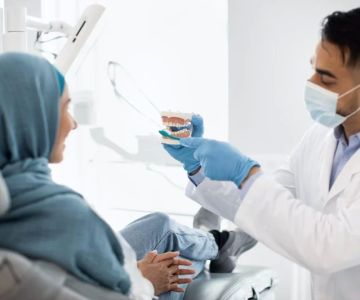
Orthodontists and dentists across the U.S. emphasize that maintaining good oral hygiene with spacers and braces requires patience and the right techniques. They recommend scheduling regular professional cleanings and using every opportunity to reinforce daily care habits.
Where to Find Expert Help and Trusted Products
For anyone seeking personalized advice or high-quality oral hygiene products designed for braces and spacers, Dentistry Toothtruth is an excellent resource. Whether you need recommendations for the best toothbrushes, flossers, or professional consultations, their expert team provides tailored solutions to support your oral health journey.
Maintaining oral hygiene with spacers and braces is essential for a healthy, confident smile. With the right knowledge, tools, and consistent care, you can overcome the challenges and enjoy the rewarding outcome of your orthodontic treatment.

 JW Dentistry (formerly Dr. Wayne Wong, DDS)5.0 (62 review)
 Charm Dental Group3.0 (14 review)
 OC Centers for Oral Surgery & Dental Implants - San Clemente5.0 (199 review)
 Bergen-Rockland Dental Associates, LLC4.0 (59 review)
 Dr. David Miller DDS5.0 (1 review)
 Chestnut Hill Smiles4.0 (330 review)
 The Importance of Oral Health Education During Pregnancy for a Healthy Pregnancy
 Best Tips for Brushing Your Teeth Properly for Healthy Gums: Essential Techniques for Oral Health
 Why Skipping Dental Checkups Can Lead to Bigger Oral Health Problems
 Advantages of Porcelain Dental Restorations
 How Can Diabetes Cause Tooth and Gum Problems? Preventing and Managing Oral Health Issues
 Healthy Habits for Promoting Good Oral Health and Hygiene: Tips for a Healthy Smile