
How to Maintain Oral Hygiene at Home
1. Why Home Oral Hygiene Matters More Than Ever
In 2022, a young woman named Emily from Chicago noticed persistent gum bleeding every time she brushed. She hadn’t seen a dentist in over two years due to a hectic schedule. What started as minor bleeding developed into early-stage gingivitis. Like many Americans, Emily underestimated the power of consistent at-home oral care.
Home oral hygiene is more than just a routine; it's the first line of defense against plaque, cavities, gum disease, and even bad breath. Especially in the U.S., where access to dental care can be expensive, effective at-home maintenance helps avoid emergency visits and high treatment costs.
2. The Essential Daily Oral Hygiene Routine
2.1 Brushing: Technique, Tools, and Frequency
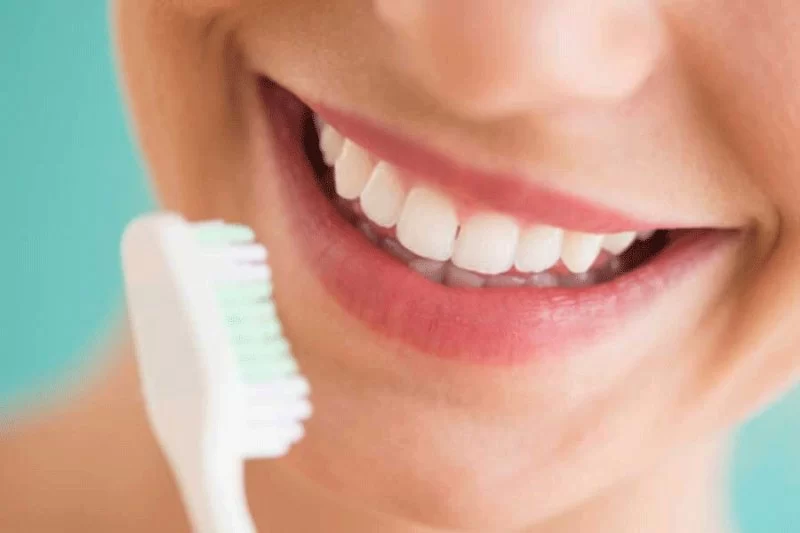
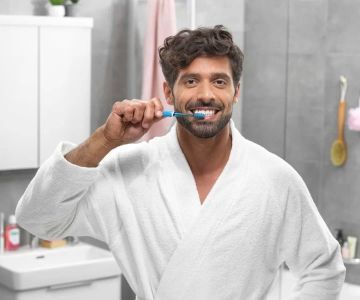
Brushing your teeth twice a day with fluoride toothpaste is non-negotiable. Use a soft-bristled toothbrush and replace it every 3–4 months. Electric toothbrushes are especially effective in removing plaque.
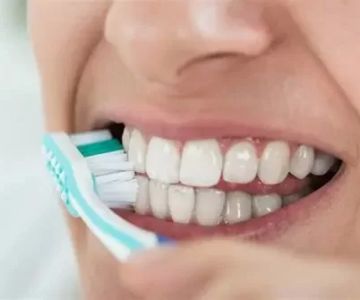
Use the 2-2-2 rule: brush twice a day for two minutes, using two fingers to apply gentle pressure. Hold the brush at a 45-degree angle to your gums, and move it in short, circular strokes rather than back and forth. Don’t forget your tongue—it harbors bacteria that contribute to bad breath.
2.2 Flossing: The Often Skipped Yet Crucial Step
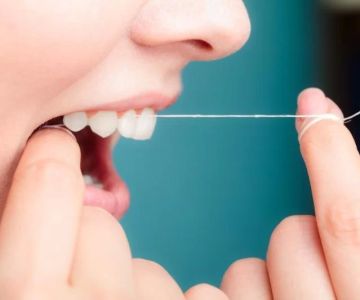
Flossing at least once a day removes food particles and plaque from between your teeth, where brushes can't reach. Use about 18 inches of floss, winding most around each middle finger, and gently slide it up and down between teeth. Curve the floss into a C shape against each tooth to reach under the gumline without snapping it into place.
People with braces or mobility issues can try floss picks, water flossers, or interdental brushes. Skipping this step is like cleaning only 70% of your mouth.
2.3 Mouthwash: A Final Rinse for Extra Protection
While not a substitute for brushing or flossing, mouthwash can reduce bacteria and freshen breath. Use an alcohol-free, antimicrobial mouthwash with fluoride to protect enamel and neutralize acids. Swish for 30 seconds post brushing—morning and night—for best results.
3. Dietary Habits That Impact Oral Health
Your diet plays a significant role in your oral health. Sugary snacks, soda, and acidic beverages like citrus juices and sports drinks can erode enamel and feed harmful bacteria. Instead, opt for foods high in calcium and phosphorus such as cheese, yogurt, leafy greens, and nuts.
Drinking water, especially fluoridated tap water, helps rinse away food debris and bacteria while strengthening enamel. Avoid chewing ice or using your teeth as tools, as both can cause chips or cracks.
4. Building an Oral Hygiene Routine for Kids and Seniors
4.1 Teaching Kids the Importance of Oral Care
Start oral care early—clean your baby’s gums with a soft cloth and transition to a baby toothbrush as teeth erupt. Make brushing fun with songs, timers, and kid-friendly brushes. Children should begin flossing as soon as two teeth touch, with adult supervision until about age 10.
Fluoride varnish and sealants are excellent preventive tools. Consider apps or brushing charts to encourage consistency and reward systems for motivation.
4.2 Oral Care in Seniors: Addressing Dry Mouth and Sensitivity
As people age, they may face issues like dry mouth (xerostomia), which increases the risk of cavities. This can be caused by medications or health conditions. Staying hydrated, chewing sugar-free gum, and using saliva substitutes can help.
Receding gums, root sensitivity, and arthritis may also complicate care. Seniors benefit from electric toothbrushes and flossing tools with ergonomic handles. Consistent care can prevent tooth loss and enhance overall quality of life.
5. Handling Common Oral Health Issues at Home
5.1 Dealing with Bad Breath (Halitosis)
Persistent bad breath can stem from poor hygiene, dry mouth, or diet. Brushing your tongue, drinking water, and avoiding strong-smelling foods like garlic and onions can help. If it persists, it might indicate gum disease or digestive issues and should be evaluated professionally.
5.2 Managing Sensitive Teeth
If you feel sharp pain when drinking hot or cold beverages, try a toothpaste for sensitive teeth. Avoid acidic foods and wait at least 30 minutes to brush after eating acidic meals. Use a soft-bristle brush and avoid aggressive brushing to protect enamel and exposed dentin.
5.3 Recognizing Signs of Gum Disease
Red, swollen gums that bleed easily are early signs of gingivitis. If untreated, it can progress to periodontitis, leading to tooth loss. Consistent brushing, flossing, and using antibacterial mouthwash can reverse early symptoms. For advanced cases, a dentist's intervention is required.
6. When and Why to See a Dentist—Even with Good Hygiene
Even with impeccable home care, dental checkups are essential. The ADA recommends visiting your dentist every six months. Professional cleanings remove tartar that brushing can't. Dentists can also detect early signs of decay, oral cancer, or bite misalignment before they worsen.
Regular visits also establish a health history, allowing personalized care and early interventions. Think of your dentist as your oral health partner—your hygiene routine is the daily maintenance, and they provide the tune-up.
True Stories: Preventing Problems Before They Start
Consider Marcus, a 45-year-old father from Dallas. He had a fear of dentists but committed to an at-home care regimen with his teenage daughter. They brushed together, used a chart, and made it a bonding moment. After two years of consistent care, Marcus finally went for a check-up—no cavities, healthy gums, and a clean bill of oral health. His dentist was shocked.
Stories like Marcus’s highlight how proactive, informed routines can change your health outlook. It’s not just about preventing disease—it’s about empowerment, confidence, and long-term wellbeing.
Bonus Tips for a Healthier Smile
- Replace your toothbrush after an illness to avoid re-infection.
- Use sugar-free gum with xylitol after meals to reduce plaque.
- Try oil pulling with coconut oil for a natural bacteria-fighting boost.
- Wear a night guard if you grind your teeth while sleeping.
- Store your brush upright in the open to avoid bacterial buildup.
Remember, consistent home care not only saves you money but improves your confidence and health. Explore tailored advice and services from Dentistry Toothtruth—your partner in lifelong dental wellness.

 Park West Dental Care Idaho Falls Channing Way4.0 (220 review)
 Comfort Care Dental4.0 (1156 review)
 Kaplan Martin A DMD D-ABLS5.0 (6 review)
 Perfect Teeth Dental & Orthodontics - Olive4.0 (384 review)
 High Point Dental Group4.0 (510 review)
 Familia Dental4.0 (458 review)
 The Importance of Oral Health Education During Pregnancy for a Healthy Pregnancy
 Best Tips for Brushing Your Teeth Properly for Healthy Gums: Essential Techniques for Oral Health
 Why Skipping Dental Checkups Can Lead to Bigger Oral Health Problems
 Advantages of Porcelain Dental Restorations
 How Can Diabetes Cause Tooth and Gum Problems? Preventing and Managing Oral Health Issues
 Healthy Habits for Promoting Good Oral Health and Hygiene: Tips for a Healthy Smile