
Understanding the Importance of Oral Hygiene with Braces
Braces are a powerful tool for creating beautiful, aligned smiles, but they also create new challenges for maintaining oral hygiene. Food particles and plaque tend to get trapped around brackets and wires, increasing the risk of cavities, gum disease, and staining. Proper care is essential not only to protect your teeth during treatment but also to ensure long-lasting results after the braces come off.
Many patients underestimate the importance of meticulous cleaning while wearing braces. Neglect can lead to discomfort and longer treatment times, as orthodontists may need to pause work to address dental issues. The story of Emily, a teenager from California, illustrates this well. Initially lax about cleaning, Emily faced gingivitis and white spots on her teeth midway through treatment, causing her orthodontist to extend her braces wear. After switching to a stricter cleaning routine, her oral health improved dramatically, and she finished treatment with a dazzling smile.
Essential Tools for Maintaining Oral Hygiene with Braces
1. Bristle Toothbrushes Designed for Braces
Using a toothbrush with soft, angled bristles designed for braces helps clean around brackets and wires more effectively. Electric toothbrushes with orthodontic heads provide additional benefits by delivering consistent motion that removes plaque better than manual brushing.
2. Interdental Brushes and Floss Threaders
Regular flossing is tricky with braces, but interdental brushes and floss threaders make it easier to reach between teeth and under wires. These tools help prevent plaque buildup in areas a regular toothbrush can't reach.
3. Water Flossers for Gentle, Efficient Cleaning
Water flossers use a pressurized stream to dislodge food particles and bacteria. Many patients find them comfortable and easy to use, making them an excellent adjunct to traditional brushing and flossing.
Step-by-Step Routine for Oral Care with Braces
1. Brush Thoroughly After Every Meal
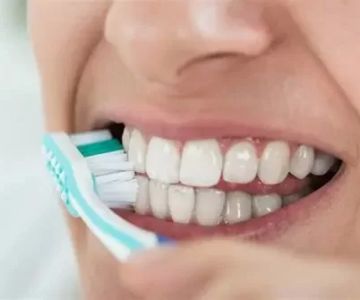
Brushing after every meal prevents food debris from lingering. Focus on brushing around brackets and wires using small circular motions. Take at least two minutes to cover all tooth surfaces, the gum line, and the backs of teeth.
2. Use Interdental Tools Daily
Spend time each day using floss threaders or interdental brushes to clean between teeth and under braces. It may feel cumbersome at first, but consistency is key to avoiding plaque buildup.
3. Rinse with Mouthwash
An antimicrobial or fluoride mouthwash helps kill bacteria and strengthen enamel. Swish for 30 seconds to one minute daily as part of your routine.
Dietary Tips to Support Oral Health During Braces
Food choices can significantly impact the health of teeth with braces. Avoid sticky candies, hard nuts, and sugary snacks that can damage braces or promote decay. Instead, opt for softer fruits, vegetables, and dairy products that nourish your teeth and gums. Drinking plenty of water throughout the day also helps wash away sugars and food particles.
Common Challenges and How to Overcome Them
1. Dealing with Soreness and Irritation
New braces often cause soreness, making brushing uncomfortable. Using a soft-bristled brush and warm saltwater rinses can alleviate discomfort without compromising hygiene.
2. Managing Time and Motivation
Keeping up with an oral hygiene routine can be challenging. Setting reminders, using apps, or pairing brushing with other daily habits can improve consistency. Support from family or friends, as well as guidance from your orthodontist, also helps maintain motivation.
Expert Advice and Professional Care
Regular dental visits are crucial during orthodontic treatment. Professional cleanings and checkups help catch potential problems early and keep your teeth healthy. If you experience persistent pain, bleeding gums, or damaged braces, consult your dentist promptly.
At Dentistry Toothtruth, experienced dental professionals specialize in comprehensive care tailored for patients with braces. Their personalized guidance and advanced tools ensure you maintain optimal oral health throughout your orthodontic journey.
The Lasting Benefits of Good Oral Hygiene with Braces
Maintaining good oral hygiene while wearing braces not only prevents dental problems but also contributes to a radiant smile once the braces come off. Patients who follow diligent cleaning practices often enjoy shorter treatment times, fewer complications, and long-lasting results.
Remember Emily's story—her dedication transformed her experience from one fraught with issues to a successful and rewarding outcome. Your commitment to oral care can similarly change your orthodontic journey.

 Pro Dentists of Buford4.0 (575 review)
 Hawthorne Dental Associates5.0 (463 review)
 Fairview Dental4.0 (108 review)
 Ocean County Endodontics LLC: Mc Cafferty Ryan J DDS4.0 (8 review)
 Baldwin Park Family Dentistry4.0 (16 review)
 Above & Beyond Dentistry & Implants4.0 (540 review)
 The Importance of Oral Health Education During Pregnancy for a Healthy Pregnancy
 Best Tips for Brushing Your Teeth Properly for Healthy Gums: Essential Techniques for Oral Health
 Why Skipping Dental Checkups Can Lead to Bigger Oral Health Problems
 Advantages of Porcelain Dental Restorations
 How Can Diabetes Cause Tooth and Gum Problems? Preventing and Managing Oral Health Issues
 Healthy Habits for Promoting Good Oral Health and Hygiene: Tips for a Healthy Smile