
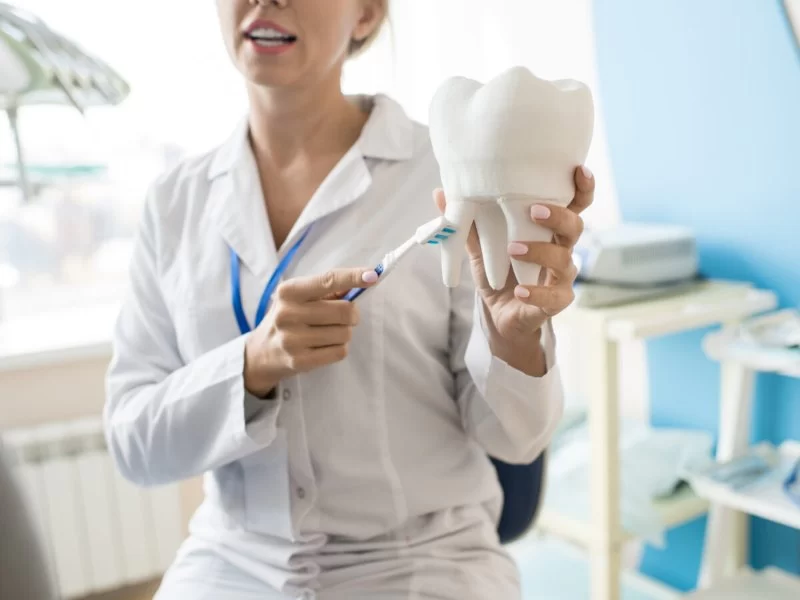
How to Maintain Good Oral Hygiene
Maintaining good oral hygiene is essential for overall health and well-being. It’s not just about having a bright, clean smile but also preventing potential dental problems like cavities, gum disease, and bad breath. In fact, your oral health plays a direct role in your overall health, as conditions like gum disease have been linked to heart disease, diabetes, and other serious conditions. But how do you maintain good oral hygiene? Let’s explore the essential practices that can help keep your teeth and gums healthy for life.
Why Oral Hygiene Matters
Oral hygiene is the practice of keeping your mouth clean and free from disease-causing bacteria. Plaque, a sticky film of bacteria, forms on your teeth, and if it’s not removed through proper brushing and flossing, it can lead to dental issues. Poor oral hygiene can result in cavities, gum disease, and even tooth loss, affecting not just your mouth but your general health as well.
The Link Between Oral Health and Overall Health
Did you know that the state of your oral health can affect the rest of your body? For example, gum disease, an infection of the tissues that support your teeth, can increase the risk of other health problems. Studies have shown that there is a strong connection between gum disease and heart disease, diabetes, and even dementia. The bacteria that cause gum disease can enter your bloodstream and spread to other parts of your body, leading to inflammation and other issues.
Impact of Poor Oral Hygiene
When oral hygiene is neglected, bacteria accumulate in the mouth, leading to several potential health problems. Bad breath, cavities, swollen or bleeding gums, and even tooth loss can result from poor brushing and flossing habits. Maintaining good oral hygiene helps avoid these issues and contributes to a healthier life overall.
Essential Practices for Good Oral Hygiene
Now that we know why oral hygiene is crucial, let’s dive into some practical steps you can take to ensure your teeth and gums stay healthy.
1. Brush Your Teeth Properly
Brushing your teeth is the foundation of oral hygiene. You should brush at least twice a day—once in the morning and once before bed. It’s not just about the frequency; it’s also about how you brush. Using a soft-bristled toothbrush, gently brush your teeth in circular motions, ensuring that you reach all surfaces of each tooth. Brushing for at least two minutes will help remove plaque and food particles that accumulate on your teeth.
2. Choose the Right Toothpaste
Not all toothpastes are created equal. When selecting a toothpaste, look for one that contains fluoride. Fluoride helps strengthen tooth enamel, making it more resistant to decay. Additionally, some toothpastes offer special benefits like tartar control, whitening, or protection against sensitivity. Choose the one that best suits your needs, but always make sure it has fluoride as a key ingredient.
3. Floss Every Day
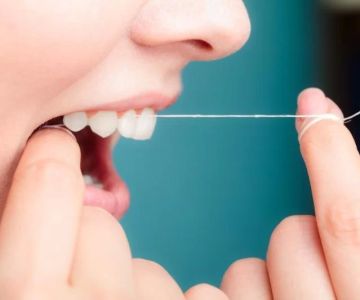
Brushing alone isn’t enough to clean between your teeth. Flossing is essential to remove plaque and food particles from areas that your toothbrush can’t reach. Make it a habit to floss once a day, using about 18 inches of floss. Gently slide the floss between your teeth and along the gum line to remove debris and plaque buildup. If you find flossing difficult, you can also use floss picks or a water flosser to make the process easier.
4. Rinse with Mouthwash
Using mouthwash after brushing and flossing can provide an extra layer of protection against bacteria. Mouthwash helps kill germs, freshens your breath, and reduces plaque buildup. Choose a mouthwash that is alcohol-free and contains antibacterial ingredients like chlorhexidine or cetylpyridinium chloride to ensure maximum effectiveness in reducing bacteria and fighting gum disease.
5. Eat a Balanced Diet
Your diet plays a significant role in your oral health. Foods that are high in sugar can contribute to tooth decay, as sugar fuels the bacteria in your mouth. On the other hand, a balanced diet rich in fruits, vegetables, and dairy products can help strengthen your teeth. Crunchy fruits and vegetables, like apples and carrots, can also help clean your teeth naturally by stimulating saliva production, which helps wash away food particles and neutralizes acids.
Preventive Care: Regular Dental Checkups
Even if you brush and floss diligently at home, regular visits to the dentist are essential for maintaining good oral hygiene. Dentists can identify issues early, such as cavities or gum disease, before they become serious. Regular cleanings, typically every six months, will also help keep your teeth in top condition by removing plaque and tartar buildup that can’t be removed by brushing alone.
What to Expect During a Dental Visit
During your routine dental checkup, your dentist will perform a thorough cleaning of your teeth and gums, removing plaque and tartar buildup. They may also take X-rays to check for any underlying problems that may not be visible to the naked eye. If any issues are detected, your dentist will discuss treatment options to help restore your oral health and prevent further complications.
When to See the Dentist Between Visits
If you experience persistent tooth pain, gum bleeding, or other symptoms such as swelling or bad breath, it’s important to schedule an appointment with your dentist as soon as possible. Early intervention can prevent more serious issues from developing and ensure that your oral health remains in good shape.
Common Oral Health Issues and How to Address Them
While regular brushing and flossing are key, there are certain oral health issues that may require more attention. Here are some common problems people face and how to address them:
1. Gum Disease
Gum disease, or periodontal disease, is a common condition that occurs when bacteria infect the gums. Symptoms include swollen, red, or bleeding gums, bad breath, and loose teeth. Early-stage gum disease, called gingivitis, can be reversed with good oral hygiene, but more advanced stages may require professional treatment like deep cleaning or surgery. Regular checkups with your dentist will help catch gum disease early.
2. Cavities and Tooth Decay
Cavities are holes that form in your teeth due to the bacteria in plaque. These holes can lead to tooth pain, infection, and even tooth loss if left untreated. To prevent cavities, brush and floss regularly, reduce sugary foods, and visit your dentist for cleanings and checkups. If you do develop a cavity, your dentist will fill it to restore the tooth’s function and prevent further damage.
3. Bad Breath
Bad breath, or halitosis, can be caused by a variety of factors, including poor oral hygiene, dry mouth, or certain foods. Regular brushing, flossing, and drinking plenty of water can help combat bad breath. If the problem persists, it’s important to visit your dentist to rule out underlying issues like gum disease or infection.
Final Thoughts on Maintaining Good Oral Hygiene
Good oral hygiene is an essential part of overall health and well-being. By brushing and flossing regularly, visiting your dentist, eating a balanced diet, and staying hydrated, you can protect your teeth and gums from the most common oral health issues. Your smile is an important part of your identity, and taking care of it is a simple yet powerful way to improve both your oral and general health.
For more personalized dental care and recommendations, visit Family Dentistry Online for a wide range of dental products and expert services tailored to your needs.



 Vicente Dental5.0 (79 review)
 Tend East Nashville4.0 (319 review)
 Matthew J. Walters DDS0.0 (0 review)
 Ernstberger Orthodontics5.0 (326 review)
 Osborne Dental South Jordan5.0 (170 review)
 Bates Dental Care5.0 (14 review)
 The Importance of Oral Health Education During Pregnancy for a Healthy Pregnancy
 Best Tips for Brushing Your Teeth Properly for Healthy Gums: Essential Techniques for Oral Health
 Why Skipping Dental Checkups Can Lead to Bigger Oral Health Problems
 Advantages of Porcelain Dental Restorations
 How Can Diabetes Cause Tooth and Gum Problems? Preventing and Managing Oral Health Issues
 Healthy Habits for Promoting Good Oral Health and Hygiene: Tips for a Healthy Smile