
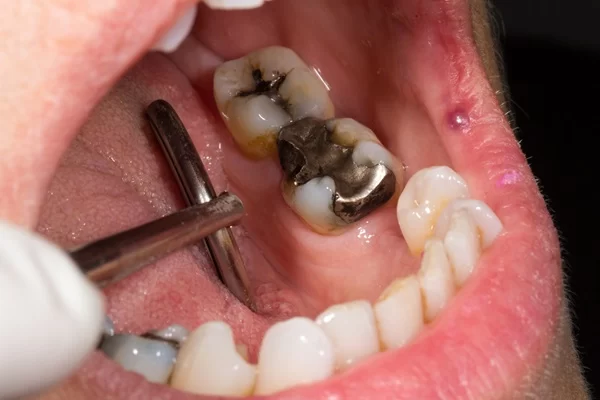
Recognizing the Right Time to Replace a Dental Filling
Have you ever wondered if it’s time to replace your dental filling? It’s not always obvious when a filling is no longer doing its job. I’ve been in that situation myself, and it’s important to understand the signs so you can take action before things get worse. Let’s dive into how to recognize when your dental filling might need replacement and why it’s essential for your overall oral health.
1. Sensitivity to Hot or Cold Foods and Drinks
If you suddenly start experiencing discomfort when drinking hot coffee or cold water, this could be a sign that your dental filling is wearing out or has cracked. Fillings are meant to seal the cavity, protecting your tooth from the elements outside, but as they age, they can loosen or break, leading to tooth sensitivity. I remember the first time I noticed this myself—sipping a cold drink became a painful experience, and I realized it was time to visit my dentist.
2. Pain or Discomfort When Chewing
Another major sign that it’s time to replace a filling is pain or discomfort when chewing. This can occur if the filling has come loose or if there is decay underneath it. The feeling can be a dull ache or a sharp pain, depending on the severity. I recall a time when I was chewing on a piece of bread and felt an unexpected jolt of pain. At first, I thought it was just a one-time thing, but after several occurrences, I realized that my filling had likely shifted. A quick visit to the dentist confirmed my suspicion. If this happens to you, don't ignore it—it’s best to get it checked out as soon as possible.
3. Cracks or Chips in the Filling
Over time, fillings can crack, chip, or even fall out entirely, especially if you have a large filling that has been in place for many years. Even if you don’t feel any pain or sensitivity, it’s important to inspect your filling regularly. You might be able to feel if your filling is rough or cracked with your tongue. I’ve had fillings that chipped over time, and it wasn’t always obvious at first, but it became more apparent when I ran my tongue over the filling.
4. Visible Staining Around the Filling
If you notice a dark line or staining around the edges of your filling, it could be a sign that the filling has begun to deteriorate or that bacteria has infiltrated the tooth beneath the filling. This is a visual indicator that the filling might no longer be providing a tight seal and is at risk of causing further decay. I’ve seen this happen to a few of my fillings over the years, and it was always a good idea to address the issue promptly with my dentist to avoid more extensive work later on.
5. The Filling Has Become Loose
A filling that feels loose or even falls out entirely is an obvious sign that it needs replacing. When this happens, you might feel a noticeable shift in your bite or a hollow sensation where the filling used to be. I had a filling come loose once while eating a crunchy snack, and it was a rather unsettling feeling. If this happens to you, don't wait—see your dentist as soon as possible to prevent any further damage to the tooth.
6. The Filling Is Visible or Misaligned
Sometimes, a filling may begin to show its age by becoming misaligned or standing out in the tooth. If you notice that your filling no longer fits well within the natural contours of your tooth or that it feels awkward while chewing, it’s time to consult your dentist. This misalignment can lead to more pressure on your tooth, causing further damage. I’ve found that my dentist’s advice on getting fillings replaced early has always paid off by preventing more complicated issues down the line.
7. The Filling Is Older Than 10 Years
Fillings, like anything else, don’t last forever. Even if your filling seems fine, it might be worth discussing with your dentist if it has been in place for over a decade. I once had a filling that lasted over 12 years before I started noticing subtle signs of wear, such as slight discomfort while chewing. Though it wasn’t causing me much pain, my dentist recommended replacing it to avoid more serious issues. Regular check-ups can help identify such issues early.
8. Unpleasant Odor or Taste
If you begin to notice an unpleasant odor or taste in your mouth, especially around a filled tooth, this could indicate decay underneath the filling. This happened to me once, and it was a clear signal that something wasn’t right. The bacteria from decay can cause a foul smell, even if the filling itself looks intact. If you experience this symptom, it’s crucial to visit your dentist immediately to address the problem before it leads to a more severe issue.
9. The Filling Has Fallen Out Completely
Sometimes, fillings can fall out entirely, either due to wear, trauma, or aging. I’ve personally experienced this and know how concerning it can be. If this happens, the exposed tooth is vulnerable to further damage, and you should visit your dentist right away. The longer you wait, the more likely it is that the tooth will experience additional harm, requiring more invasive treatments.
Why It’s Important to Replace Fillings Promptly
Ignoring the need to replace a filling can lead to further tooth decay, pain, and even tooth loss. When a filling deteriorates, it stops protecting your tooth effectively, allowing bacteria to enter and cause decay. I’ve seen patients at my dentist’s office who waited too long to replace their fillings, and they ended up needing more expensive treatments, like root canals or crowns, to fix the damage.
Replacing fillings on time is not just about keeping your smile intact—it’s about ensuring the overall health of your teeth and gums. Regular dental check-ups are essential for identifying when a filling needs to be replaced, and they can help prevent larger issues down the road. I’ve learned through personal experience and from my dentist that staying on top of my fillings has saved me a lot of time, pain, and money.
If you’re unsure whether it’s time to replace your filling, don’t hesitate to reach out to your dentist. They can assess the situation and help you make an informed decision about your dental care. The sooner you address issues with your fillings, the better your long-term oral health will be.





 Southcoast Endodontics5.0 (4 review)
 Boston Road Medical Center2.0 (146 review)
 Valleywise Community Health Center - Mesa3.0 (252 review)
 Premier Dental4.0 (138 review)
 Village Dentistry4.0 (130 review)
 Dr. Walter Rong5.0 (6 review)
 The Importance of Oral Health Education During Pregnancy for a Healthy Pregnancy
 Best Tips for Brushing Your Teeth Properly for Healthy Gums: Essential Techniques for Oral Health
 Why Skipping Dental Checkups Can Lead to Bigger Oral Health Problems
 Advantages of Porcelain Dental Restorations
 How Can Diabetes Cause Tooth and Gum Problems? Preventing and Managing Oral Health Issues
 Healthy Habits for Promoting Good Oral Health and Hygiene: Tips for a Healthy Smile