
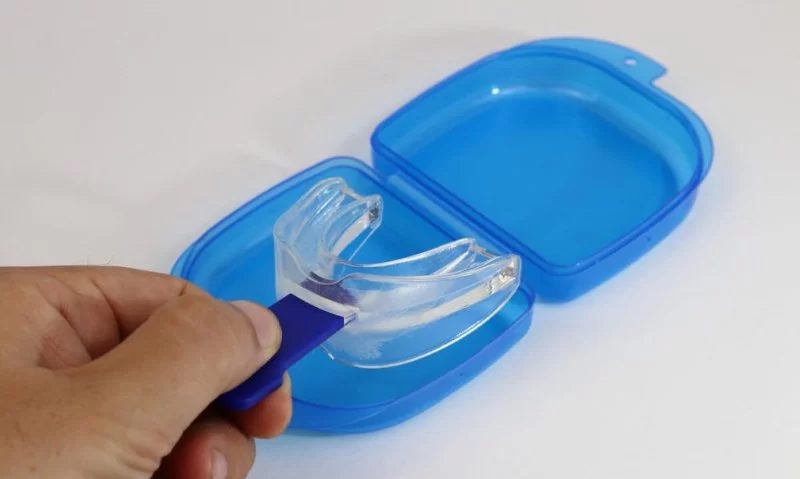
How to Store and Clean Mouthguards to Avoid Bacteria Buildup
1. Introduction: The Importance of Proper Mouthguard Care
Mouthguards are essential for protecting your teeth and gums during sports or dental treatments. However, improper storage and cleaning can lead to bacteria buildup, which can cause unpleasant odors, infections, and even affect the overall performance of the mouthguard. In this guide, we’ll walk you through the best practices for storing and cleaning mouthguards to keep them free from harmful bacteria.
2. Why Proper Mouthguard Hygiene Matters
Bacteria thrive in moist environments, and your mouthguard provides the perfect breeding ground if it is not cleaned or stored correctly. Whether you’re an athlete or someone who uses a mouthguard for bruxism (teeth grinding), improper care can lead to a variety of oral health problems, including:
- Bad breath
- Gum infections
- Build-up of plaque and tartar
- Discoloration of the mouthguard
Ensuring that your mouthguard is cleaned and stored correctly is key to avoiding these issues and prolonging its lifespan.
3. Steps to Properly Clean Your Mouthguard
3.1. Rinse Immediately After Use
After every use, rinse your mouthguard thoroughly with warm water. This will help remove saliva, food particles, and bacteria that may have accumulated while wearing it. Avoid using hot water, as it can warp the material of the mouthguard.
3.2. Use Mild Soap or Mouthguard Cleaner
To give your mouthguard a more thorough cleaning, use a mild soap or a specialized mouthguard cleaner. Gently scrub it with a soft toothbrush to remove any remaining debris. Avoid using toothpaste, as it can be too abrasive and damage the surface of the mouthguard.
3.3. Disinfect Regularly
Disinfecting your mouthguard once a week is a good habit to maintain. You can soak it in a mixture of equal parts water and white vinegar for about 10 minutes, or use a disinfectant solution designed specifically for dental appliances. This will kill any remaining bacteria and help keep the mouthguard fresh.
3.4. Dry Thoroughly
After cleaning, make sure to dry your mouthguard thoroughly before storing it. This helps prevent the growth of bacteria in damp conditions. Allow it to air dry completely before placing it in its case.
4. Proper Storage Techniques for Your Mouthguard
4.1. Use a Ventilated Case
Store your mouthguard in a hard, ventilated case. This case will protect it from damage and ensure that it stays dry. The ventilation holes in the case allow air circulation, which helps prevent moisture buildup and bacteria growth.
4.2. Avoid Storing in Direct Heat or Sunlight
Never store your mouthguard in a place with direct heat or sunlight, such as a car or near a radiator. Excessive heat can warp the material and affect its fit. Keep it in a cool, dry place away from extreme temperatures.
4.3. Keep It Away From Pets
Pets are often attracted to items with odors, and they may chew on your mouthguard if given the opportunity. Always store your mouthguard in a place where pets cannot reach it to prevent it from being damaged.
5. Tips for Maintaining a Fresh Mouthguard
5.1. Regular Inspection
Check your mouthguard regularly for any signs of wear, cracks, or discoloration. If you notice any damage, it’s time to replace it. A damaged mouthguard is less effective at protecting your teeth and may harbor bacteria more easily.
5.2. Avoid Sharing
Never share your mouthguard with anyone else, as this increases the risk of transferring bacteria and germs. Even if your mouthguard looks clean, it could still contain harmful microorganisms that can lead to infections.
5.3. Store Multiple Mouthguards Separately
If you have multiple mouthguards for different purposes (e.g., sports and teeth grinding), store them separately to avoid cross-contamination. Keep them in their own individual cases to maintain hygiene.
6. Common Mistakes to Avoid
6.1. Using Harsh Chemicals
Harsh chemicals like bleach can damage your mouthguard and irritate your mouth and gums. Always use a gentle cleaner designed for dental appliances. Stick to mild solutions like vinegar, baking soda, or commercial mouthguard cleaning products.
6.2. Skipping the Cleaning Routine
Skipping regular cleaning can lead to bacteria buildup and unpleasant odors. Make cleaning your mouthguard a daily habit to ensure it remains safe and effective for use.
7. Conclusion: Keeping Your Mouthguard Safe and Clean
A clean and properly stored mouthguard ensures the protection of your teeth and overall oral health. By following these simple steps for cleaning and storing your mouthguard, you can extend its life and maintain its hygienic condition. Regular care will also prevent the buildup of bacteria, ensuring your mouthguard is ready for use whenever you need it.
For expert advice on dental care and mouthguards, visit Family Dentistry Online for the best products and services.






 Silicon Valley Dental4.0 (214 review)
 Central Dental - Dentist Westchester NY4.0 (63 review)
 Adelante Healthcare3.0 (348 review)
 The Modern Endodontist: Yarah Beddawi DDS | Root Canal Specialist in Mountain View and Los Altos4.0 (200 review)
 Little Big Smiles Pediatric Dentistry of Fort Myers5.0 (130 review)
 Absolute Dental - Aliante4.0 (910 review)
 The Importance of Oral Health Education During Pregnancy for a Healthy Pregnancy
 Best Tips for Brushing Your Teeth Properly for Healthy Gums: Essential Techniques for Oral Health
 Why Skipping Dental Checkups Can Lead to Bigger Oral Health Problems
 Advantages of Porcelain Dental Restorations
 How Can Diabetes Cause Tooth and Gum Problems? Preventing and Managing Oral Health Issues
 Healthy Habits for Promoting Good Oral Health and Hygiene: Tips for a Healthy Smile