
How to Improve Oral Hygiene if You Wear Braces
- Why Oral Hygiene Matters with Braces
- Common Challenges of Maintaining Oral Hygiene with Braces
- Tips for Improving Oral Hygiene with Braces
- The Importance of Professional Dental Care for Braces Wearers
- Recommended Products for Oral Care with Braces
Why Oral Hygiene Matters with Braces
Braces are an excellent solution for improving your smile, but they also require extra care when it comes to oral hygiene. When you wear braces, food particles and plaque can get trapped in the brackets and wires, making it easier for harmful bacteria to thrive. If these are not properly removed, it can lead to tooth decay, gum disease, and staining.
Good oral hygiene is critical not only for keeping your teeth and gums healthy but also for ensuring that your orthodontic treatment is as effective as possible. Without proper care, you could experience delays in treatment or even have to extend your time in braces.
Common Challenges of Maintaining Oral Hygiene with Braces
1. Difficulty Cleaning Around the Brackets
One of the main challenges of maintaining oral hygiene with braces is cleaning around the brackets and wires. These areas are prone to collecting food debris and plaque, which can lead to plaque buildup and eventually cause cavities.
2. Increased Risk of Gum Disease
The braces create additional surfaces where bacteria can accumulate. If you don’t clean these areas thoroughly, it can lead to gingivitis (early gum disease), which causes swelling, bleeding gums, and bad breath.
3. Potential for Staining
Braces, especially those with clear or white elastics, are also susceptible to staining. Consuming dark-colored foods and beverages (like coffee, tea, or berries) without cleaning your teeth immediately can lead to discoloration around the brackets and wires.
Tips for Improving Oral Hygiene with Braces
1. Brush Your Teeth After Every Meal
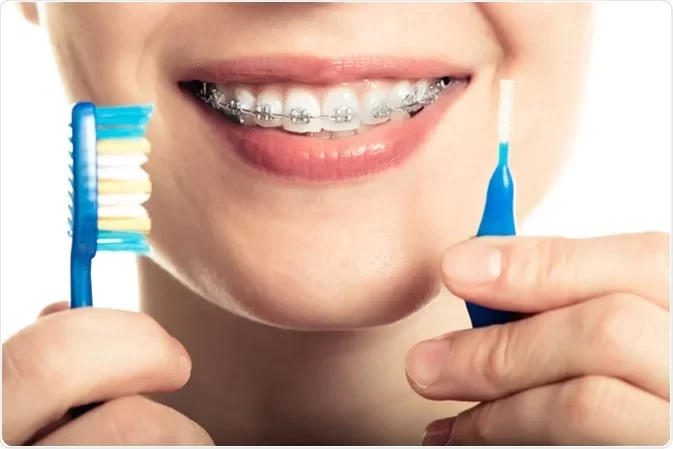
Brushing after each meal is the best way to prevent food from getting stuck in your braces and reduce plaque buildup. Use a soft-bristled toothbrush to gently clean your teeth, brackets, and wires, being careful not to damage the orthodontic appliance. Aim to brush for at least two minutes each time.
2. Use Interdental Brushes
Interdental brushes are small, cone-shaped brushes that can help clean between your braces and around the wires. These are effective tools for getting to areas that a regular toothbrush might miss, ensuring that food particles and plaque are removed.
3. Floss Regularly with a Floss Threader
Flossing is essential to remove plaque between your teeth and the wires of your braces. A floss threader is a tool that helps you easily thread dental floss under the wires to reach these areas. Flossing at least once a day is crucial for maintaining healthy gums and teeth during orthodontic treatment.
4. Use Mouthwash
Rinsing with an antimicrobial mouthwash can help kill bacteria and reduce plaque buildup. It’s especially useful if you’re unable to brush your teeth right after meals, as it can help freshen your breath and provide extra protection against plaque formation.
5. Avoid Sticky and Sugary Foods
Sticky foods like caramel, gum, or taffy can easily get stuck in your braces and be difficult to remove. Sugary foods and drinks provide food for bacteria, which increase the risk of cavities. Try to limit these items to protect your teeth and braces.
The Importance of Professional Dental Care for Braces Wearers
While maintaining good oral hygiene at home is vital, regular visits to your dentist and orthodontist are also crucial. Your dentist can professionally clean your teeth, removing plaque and tartar buildup that may be difficult to remove at home, especially in hard-to-reach areas around the brackets.
Orthodontic checkups allow your orthodontist to monitor the progress of your treatment and ensure that your braces are functioning as they should. If there are any concerns about oral hygiene, they can provide additional tips or treatments to help you maintain optimal oral health.
Recommended Products for Oral Care with Braces
1. Orthodontic Toothbrush
An orthodontic toothbrush has bristles designed to clean around brackets and wires more effectively. These are specially designed to reach difficult spots where food particles and plaque tend to accumulate.
2. Floss Threaders
Floss threaders make flossing with braces much easier by guiding the floss under the wires. This simple tool can help you maintain gum health by ensuring that food and plaque are removed from between your teeth.
3. Interdental Brushes
Interdental brushes are great for cleaning between the brackets and under the archwires. These small, flexible brushes can remove plaque and food particles from areas that are hard to reach with regular toothbrushes.
4. Antimicrobial Mouthwash
Using an antimicrobial mouthwash after brushing can help prevent plaque buildup and kill bacteria in the mouth. This can be especially helpful in maintaining a fresh breath and healthy gums when wearing braces.

 Lyons Family Dentistry4.0 (379 review)
 Coventry Family Dental4.0 (247 review)
 Steven A. Ghareeb, DDS, FAGD4.0 (14 review)
 College of Dentistry Orthodontics Clinic2.0 (11 review)
 North Columbus Dental Group5.0 (2 review)
 Westborough Family Dental5.0 (71 review)
 The Importance of Oral Health Education During Pregnancy for a Healthy Pregnancy
 Best Tips for Brushing Your Teeth Properly for Healthy Gums: Essential Techniques for Oral Health
 Why Skipping Dental Checkups Can Lead to Bigger Oral Health Problems
 Advantages of Porcelain Dental Restorations
 How Can Diabetes Cause Tooth and Gum Problems? Preventing and Managing Oral Health Issues
 Healthy Habits for Promoting Good Oral Health and Hygiene: Tips for a Healthy Smile