
Why Oral Hygiene Matters More Than You Think
Oral hygiene is more than just brushing your teeth twice a day—it is the foundation of overall health. Studies have shown that poor oral care is linked not only to cavities and gum disease but also to more serious conditions like heart disease and diabetes. The mouth acts as the gateway to the body, and neglecting it can have far-reaching consequences. Many Americans don’t realize that even small daily habits, such as skipping flossing or consuming too much sugar, can lead to long-term oral health problems. Learning how to improve oral hygiene isn’t about perfection; it’s about creating sustainable habits that protect your teeth, gums, and overall health for years to come.
Daily Brushing Techniques That Make a Difference
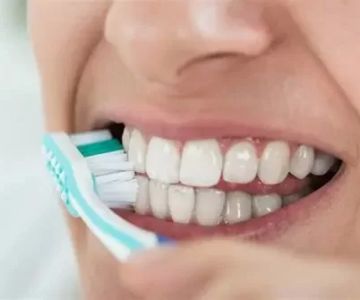
Most people brush their teeth, but very few do it effectively. Dentists recommend brushing at least twice a day with fluoride toothpaste, yet the way you brush matters just as much as how often. Instead of rushing, take two full minutes and focus on all surfaces of the teeth. Gentle circular motions are more effective than harsh scrubbing, which can damage enamel and irritate gums. Investing in an electric toothbrush can also improve results, as these devices ensure consistent pressure and motion. Think of brushing as more than a routine—it is a ritual that sets the tone for a healthier smile every single day.
The Overlooked Power of Flossing
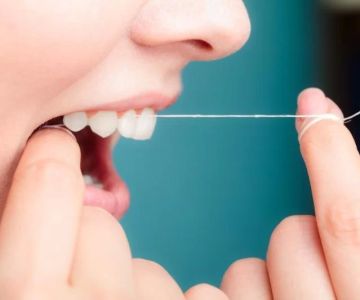
Flossing may feel like an optional step, but it is essential for removing plaque and food particles from places a toothbrush can’t reach. According to the American Dental Association, flossing once a day significantly reduces the risk of gum disease and cavities between teeth. Some people find traditional floss hard to use, but alternatives like floss picks and water flossers make the process easier and more convenient. A true story shared by a dental hygienist illustrates this well: one patient who began flossing daily saw a dramatic reduction in gum bleeding and discomfort in just two months. This simple step can transform your oral hygiene routine from good to excellent.
Nutrition’s Role in Oral Health
What you eat is just as important as how you brush. Sugary snacks and acidic drinks are notorious for eroding enamel and feeding harmful bacteria. On the other hand, a diet rich in crunchy vegetables, dairy products, and calcium strengthens teeth and helps maintain gum health. Water, too, plays a vital role by washing away food particles and keeping the mouth hydrated. Real-life studies have shown that individuals who cut down on soda and replaced it with water experienced fewer cavities and fresher breath. By being mindful of diet, oral hygiene becomes a lifestyle choice rather than just a cleaning routine.
Recognizing Early Warning Signs
Learning to identify early warning signs of oral health issues can prevent serious complications. Red, swollen gums, persistent bad breath, and tooth sensitivity are often the first indicators of gum disease or enamel erosion. Ignoring these symptoms can lead to infections, tooth loss, and costly dental treatments. Regular self-checks, combined with professional dental visits, ensure that small issues are addressed before they escalate. One Seattle resident shared her story of catching gum disease early during a routine checkup, avoiding years of potential pain and expense. Awareness is the first step to prevention.
Professional Dental Care as Part of the Routine
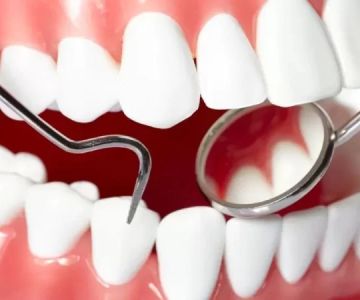
No matter how thorough your home routine is, professional cleanings and checkups are essential. Dentists can remove tartar buildup that brushing and flossing can’t, as well as provide fluoride treatments and early diagnosis of potential problems. Visiting the dentist twice a year is the standard recommendation, but individuals with gum disease or other health risks may require more frequent visits. For those seeking trusted recommendations, Family Dentistry Online provides resources to connect with the right professionals who prioritize both preventative care and patient comfort. Building a relationship with a dentist makes maintaining oral hygiene a collaborative effort.
Small Changes That Lead to Big Improvements
Improving oral hygiene does not have to be overwhelming. Small, consistent changes can lead to long-term health benefits. Swapping sugary gum for sugar-free alternatives, carrying a travel toothbrush for mid-day cleaning, or even using mouthwash after meals are practical habits that add up. These little adjustments make oral care more manageable and sustainable. People often find that once they establish one healthy habit, such as flossing daily, other habits naturally follow. Oral hygiene is about consistency, not perfection, and progress is always more important than doing everything flawlessly from day one.



 Nano Dentistry4.0 (6 review)
 Susan J. Curley, DDS4.0 (282 review)
 Dental Group of Covina3.0 (865 review)
 Duvall Family Dental- Dr. Jessica Chen4.0 (431 review)
 Associated Dental Specialists of Long Grove4.0 (529 review)
 Nak4 Orthodontics Arlington Heights4.0 (253 review)
 The Importance of Oral Health Education During Pregnancy for a Healthy Pregnancy
 Best Tips for Brushing Your Teeth Properly for Healthy Gums: Essential Techniques for Oral Health
 Why Skipping Dental Checkups Can Lead to Bigger Oral Health Problems
 Advantages of Porcelain Dental Restorations
 How Can Diabetes Cause Tooth and Gum Problems? Preventing and Managing Oral Health Issues
 Healthy Habits for Promoting Good Oral Health and Hygiene: Tips for a Healthy Smile