
How to Have Good Oral Hygiene with Braces
Wearing braces is a big step toward achieving a straight and healthy smile, but it also comes with extra responsibility. Keeping your teeth clean while wearing brackets and wires requires more effort, patience, and the right techniques. Without proper oral hygiene, food particles can get trapped, leading to cavities, bad breath, and even gum disease. The good news is that with the right habits, you can keep your teeth healthy throughout your orthodontic journey and reveal a beautiful smile at the end.
1. Brushing effectively with braces
1.1 Choosing the right toothbrush
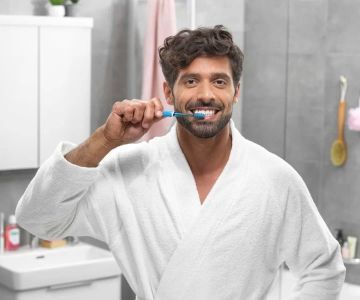
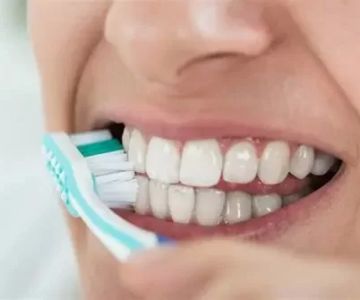
The type of toothbrush you use makes a big difference when maintaining oral hygiene with braces. Many orthodontists recommend using a soft-bristled toothbrush or an electric toothbrush with a small head to reach around brackets and wires. Angle the brush at 45 degrees to clean both above and below the brackets. Brushing after every meal helps prevent plaque buildup that can easily form around orthodontic appliances.
1.2 The two-minute rule and technique
Take at least two minutes to brush your teeth, focusing on each section of your mouth. Start with the outer surfaces, then clean the inner surfaces, and finally brush the chewing surfaces. Pay special attention to the gum line and the spaces between brackets. Many patients find that breaking brushing into quadrants—top right, top left, bottom right, and bottom left—helps ensure nothing is missed.
2. Flossing with braces
2.1 Why flossing matters even more
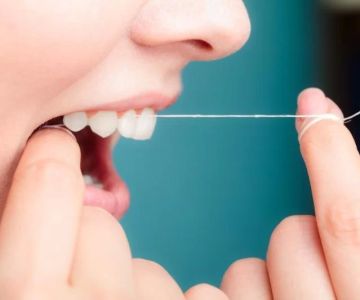
Food particles and plaque tend to hide in places where your toothbrush can’t reach. Flossing with braces is challenging, but it’s essential for preventing gum inflammation and tooth decay. Orthodontic floss threaders or special orthodontic floss make it easier to guide floss under the wires and clean between teeth.
2.2 Alternatives to traditional flossing
If flossing every tooth with a threader feels overwhelming, water flossers are a great alternative. These devices use a steady stream of water to flush out food particles and bacteria. While not a replacement for floss entirely, water flossers significantly reduce plaque buildup and can be an excellent daily addition to your oral hygiene routine.
3. Diet choices and oral hygiene with braces
3.1 Foods to avoid for healthier teeth
What you eat impacts how easy it is to keep your braces clean. Sticky foods like caramel, chewing gum, or gummy candies can cling to brackets, while hard foods such as popcorn or nuts can damage wires and make cleaning harder. Even sugary drinks can contribute to enamel erosion and white spots if not managed properly. Choosing softer foods and rinsing your mouth with water after meals can reduce the risk of buildup.
3.2 Smart snacking habits
Snacking throughout the day can expose your teeth to constant sugar and acid attacks. If you need a snack, go for braces-friendly options like yogurt, bananas, or cheese. These choices are less likely to damage your braces and are easier to clean away after eating.
4. Regular dental check-ups and cleanings
4.1 Professional monitoring of oral health
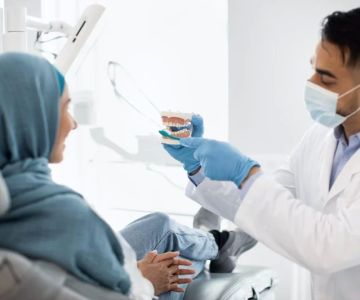
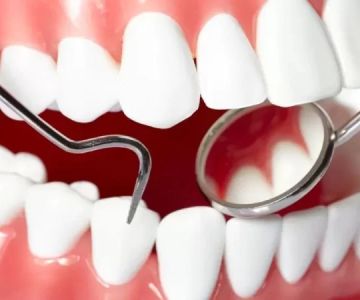
While orthodontists adjust your braces, general dentists focus on your teeth and gums. Visiting your dentist every six months (or more frequently if recommended) ensures that any early signs of cavities, gum issues, or plaque buildup are addressed quickly. Professional cleanings also remove stubborn tartar that regular brushing cannot eliminate.
4.2 Working with orthodontists and dentists together
A successful braces journey depends on collaboration between your orthodontist and dentist. Your orthodontist ensures proper alignment, while your dentist protects your teeth during the process. Together, they help you achieve a healthy, lasting smile.
5. Real-life stories about braces and oral hygiene
5.1 Lessons from orthodontic patients
In 2022, a teenager shared her story online about developing white spots on her teeth after braces. She admitted that she often skipped brushing after snacks, assuming it wasn’t a big deal. By the time her braces were removed, the damage was already visible. On the other hand, another patient who carefully brushed and flossed daily finished her orthodontic treatment with a spotless smile. These contrasting stories show how consistent oral hygiene with braces makes a major difference.
6. How Family Dentistry Online can support your braces journey
6.1 Personalized guidance for better oral care
Maintaining good oral hygiene with braces is a team effort. Family Dentistry Online provides expert recommendations, professional cleanings, and personalized care tips to help patients keep their smiles healthy while undergoing orthodontic treatment. With the right support, your braces journey can lead to both straight teeth and excellent overall oral health.

 Nano Dentistry4.0 (6 review)
 Susan J. Curley, DDS4.0 (282 review)
 Dental Group of Covina3.0 (865 review)
 Duvall Family Dental- Dr. Jessica Chen4.0 (431 review)
 Associated Dental Specialists of Long Grove4.0 (529 review)
 Nak4 Orthodontics Arlington Heights4.0 (253 review)
 The Importance of Oral Health Education During Pregnancy for a Healthy Pregnancy
 Best Tips for Brushing Your Teeth Properly for Healthy Gums: Essential Techniques for Oral Health
 Why Skipping Dental Checkups Can Lead to Bigger Oral Health Problems
 Advantages of Porcelain Dental Restorations
 How Can Diabetes Cause Tooth and Gum Problems? Preventing and Managing Oral Health Issues
 Healthy Habits for Promoting Good Oral Health and Hygiene: Tips for a Healthy Smile