
Why Good Oral Hygiene Matters More Than You Think
Maintaining good oral hygiene is essential not only for a bright smile but also for your overall health. Poor oral care can lead to cavities, gum disease, bad breath, and even systemic health problems like heart disease and diabetes. In the United States, nearly half of adults suffer from some form of gum disease, according to the CDC, highlighting the critical need for proper dental care.
Many people underestimate the importance of daily habits that protect teeth and gums. Oral hygiene is more than just brushing your teeth; it involves a comprehensive routine that tackles plaque, bacteria, and food particles. Proper oral hygiene enhances your confidence, prevents costly dental treatments, and improves quality of life.
Building a Solid Oral Hygiene Routine
1. Brushing Techniques for Maximum Effectiveness
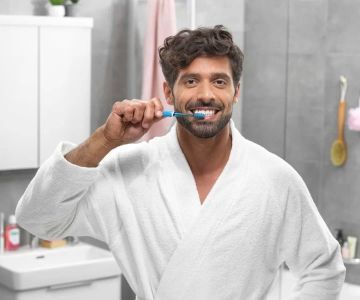
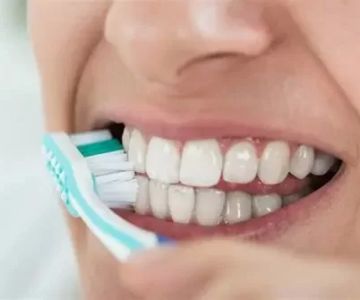
The cornerstone of good oral hygiene is proper tooth brushing. It’s recommended to brush at least twice a day with a fluoride toothpaste. However, many people brush incorrectly, missing hard-to-reach areas or brushing too harshly, which can damage enamel and gums.
Use a soft-bristled toothbrush and hold it at a 45-degree angle to the gum line. Brush gently in circular motions for about two minutes, covering all surfaces including the fronts, backs, and chewing surfaces of your teeth. Electric toothbrushes can also improve plaque removal, especially for those with limited manual dexterity.
2. The Vital Role of Flossing
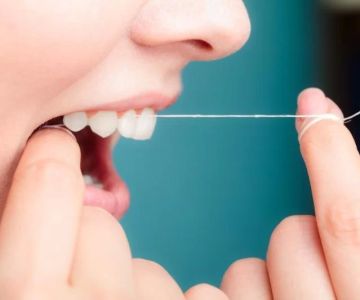
Flossing daily is crucial to remove plaque and food debris from between teeth and below the gumline where a toothbrush cannot reach. Many skip flossing due to discomfort or inconvenience, but it is a key defense against gum disease and cavities.
Use about 18 inches of floss, gently sliding it between your teeth and curving it against each tooth. Avoid snapping the floss, which can injure gums. For those who find traditional floss challenging, alternatives like water flossers or interdental brushes provide effective options.
3. Choosing Mouthwash Wisely
Mouthwash can supplement brushing and flossing by reducing bacteria and freshening breath. Look for an antimicrobial or fluoride mouthwash approved by dental associations. Rinse for 30 seconds after brushing and flossing to maximize benefits.
However, mouthwash is not a substitute for brushing or flossing but rather a complement to a comprehensive oral hygiene routine.
Nutrition and Lifestyle Impact on Oral Health
4. Foods That Support Healthy Teeth
Your diet plays a significant role in oral hygiene. Foods rich in calcium, vitamin D, and phosphorus help strengthen enamel and bone. Dairy products, leafy greens, nuts, and fish are excellent choices. Crunchy fruits and vegetables like apples and carrots can stimulate saliva production, naturally cleaning teeth.
Conversely, sugary and acidic foods and beverages contribute to tooth decay and erosion. Limiting soda, candy, and processed snacks helps protect your smile.
5. Habits to Avoid for Better Oral Hygiene
Smoking and excessive alcohol consumption damage gum tissue and increase the risk of oral cancer and periodontal disease. Tobacco use also stains teeth and contributes to bad breath.
Additionally, nail-biting, chewing ice, and grinding teeth can wear down enamel and cause dental issues. Identifying and reducing these habits is important for long-term oral health.
The Power of Regular Dental Visits
6. Professional Cleanings and Early Problem Detection
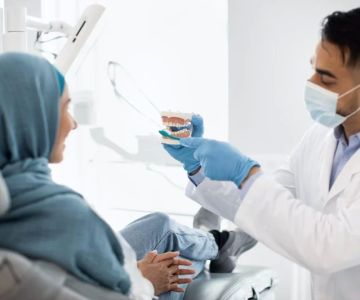
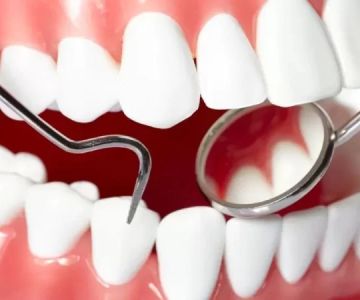
Even with the best home care, professional dental cleanings every six months are essential. Dentists and hygienists remove hardened plaque (tartar) that brushing and flossing can’t eliminate. These visits also allow early detection of cavities, gum disease, and oral cancer.
For example, Jane, a 38-year-old teacher from Chicago, shared how a routine dental checkup uncovered early-stage gum disease. Thanks to timely treatment and improved home care, she avoided more serious complications.
7. Tailoring Oral Care to Your Needs
Individual needs vary. People with braces, implants, or medical conditions like diabetes require specialized oral hygiene approaches. Consulting your dentist for personalized recommendations ensures your routine matches your unique health profile.
Incorporating Technology to Enhance Oral Hygiene
8. The Rise of Smart Toothbrushes and Apps
Modern technology offers tools to improve oral hygiene habits. Smart toothbrushes provide real-time feedback on brushing pressure, coverage, and duration. Paired with smartphone apps, they motivate users to brush correctly and consistently.
These innovations help build better habits, especially among children and tech-savvy adults eager to optimize their dental care.
9. Story of Transformation Through Oral Hygiene
Mark, a 45-year-old from Denver, struggled with persistent bad breath and frequent cavities. After adopting a thorough oral hygiene routine including electric brushing, daily flossing, and regular dental visits, he noticed remarkable improvements. His confidence soared, and he shared his journey online to inspire others.
Where to Find Trusted Oral Health Resources
For those seeking expert advice or dental care services, Dentistry Toothtruth offers a wide range of resources and recommendations tailored to American consumers. Whether you want to find a local dentist, learn about the latest oral care products, or get tips for specific conditions, their platform is a reliable source.
Good oral hygiene is a lifelong commitment. Armed with the right knowledge, tools, and support, anyone can achieve and maintain a healthy, radiant smile.

 Westborough Family Dental5.0 (71 review)
 Dentistry at 1818 Market Street4.0 (686 review)
 Smiles Orthodontics4.0 (158 review)
 Chatsworth Family Dental Group4.0 (366 review)
 Little Big Smiles Pediatric Dentistry of Fort Myers5.0 (130 review)
 Loretto Multi-Specialty Dental Center4.0 (111 review)
 The Importance of Oral Health Education During Pregnancy for a Healthy Pregnancy
 Best Tips for Brushing Your Teeth Properly for Healthy Gums: Essential Techniques for Oral Health
 Why Skipping Dental Checkups Can Lead to Bigger Oral Health Problems
 Advantages of Porcelain Dental Restorations
 How Can Diabetes Cause Tooth and Gum Problems? Preventing and Managing Oral Health Issues
 Healthy Habits for Promoting Good Oral Health and Hygiene: Tips for a Healthy Smile