
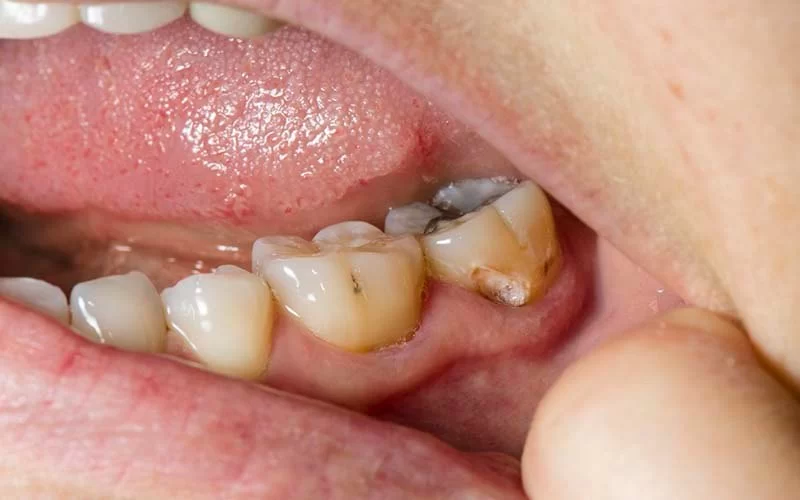
Why Tooth Decay is a Concern
Tooth decay is a common yet serious problem that affects people of all ages. It can lead to pain, infection, and even tooth loss if not treated properly. As someone who's dealt with my own share of dental issues over the years, I can say that taking care of your teeth isn’t just about having a bright smile—it’s about overall health. Dental problems, especially cavities, can affect your general well-being, making it crucial to understand how to prevent and treat them before they get out of hand.
What many people don’t realize is that tooth decay doesn’t happen overnight. It’s the result of poor oral hygiene over time, which allows plaque and bacteria to break down the enamel on your teeth. Once this happens, cavities form, leading to deeper issues if left untreated. In this article, I'll explain the causes of cavities, how you can get rid of them, and most importantly, how to prevent them from coming back.
Understanding Cavities and How They Form
Cavities, also known as caries, are essentially holes or damage that occurs in the enamel of your teeth due to the acids produced by bacteria. These acids break down the food particles left behind on your teeth, which can lead to a softening of the enamel. Over time, this process causes holes to form.
1. What Causes Cavities?
Several factors contribute to tooth decay and cavities, and it’s important to understand them to better prevent future problems. Some common causes include:
- Poor Oral Hygiene: Not brushing or flossing your teeth regularly allows plaque to build up, leading to bacteria that can cause tooth decay.
- Diet: Foods and drinks that are high in sugar or acid, such as soda, candy, and citrus fruits, can contribute to enamel erosion.
- Dry Mouth: Saliva helps neutralize acids and wash away food particles, so when your mouth is dry, you may be at higher risk of cavities.
- Genetics: Some people are genetically predisposed to develop cavities more easily, due to factors like thinner enamel or other oral health issues.
2. How to Get Rid of Cavities
Once a cavity has formed, it requires professional treatment to restore your tooth to its original condition. Here’s what you can expect during the treatment process:
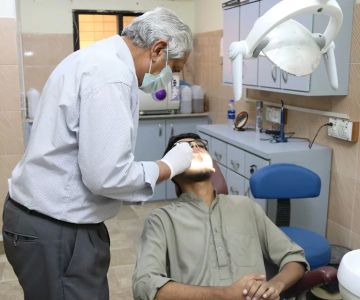
- Visit Your Dentist: The first step in getting rid of a cavity is scheduling a visit to your dentist. They’ll examine the affected tooth and determine whether the cavity can be filled or if more advanced treatments are needed.
- Fillings: In most cases, cavities are treated with fillings. The decayed part of the tooth is removed, and a filling material (such as amalgam, composite resin, or gold) is placed in the cavity to restore the tooth’s structure and function.
- Root Canals: If the cavity has reached the pulp (the soft tissue inside the tooth), a root canal may be necessary to remove the infected tissue and save the tooth.
- Preventive Treatments: If the cavity is detected early, fluoride treatments may help remineralize the enamel and prevent further damage.
3. Treating Tooth Decay at Home (Prevention and Maintenance)
While only a dentist can truly eliminate an existing cavity, there are several things you can do at home to prevent further tooth decay and protect your teeth from cavities. Here are some tips for keeping your teeth healthy:
- Brush Your Teeth Twice a Day: Brushing your teeth for two minutes twice a day with fluoride toothpaste helps remove food particles and plaque buildup. Don't forget to brush your tongue as well!
- Floss Daily: Flossing removes plaque and food particles between your teeth, which your toothbrush can’t reach. This is crucial in preventing cavities and gum disease.
- Use Mouthwash: Mouthwash helps eliminate bacteria that cause tooth decay, and fluoride mouthwash can strengthen your enamel and prevent cavities.
- Avoid Sugary and Acidic Foods: Limiting sugar, soda, and acidic foods reduces the chance of plaque buildup and enamel erosion.
How to Protect Your Teeth from Future Decay
Prevention is always better than cure. Here’s how you can continue protecting your teeth in the long run:
1. Regular Dental Checkups
One of the most important steps you can take to prevent cavities is to visit your dentist regularly. Professional cleanings and exams help detect problems early on, before they become serious issues. During these visits, your dentist will clean your teeth thoroughly and may apply fluoride treatments or sealants to protect your teeth from decay.
2. Maintain a Healthy Diet and Lifestyle
A healthy diet rich in calcium, vitamin D, and other essential nutrients supports strong teeth and bones. Eating a balanced diet with plenty of fruits, vegetables, and whole grains will help prevent tooth decay and keep your gums healthy. Avoid snacking on sugary treats throughout the day, as it gives bacteria more opportunities to cause harm to your teeth.
3. Consider Fluoride Treatments and Sealants
Fluoride strengthens your enamel and helps prevent cavities from forming. Many people benefit from fluoride treatments during dental checkups, especially children and people prone to tooth decay. Dental sealants are another preventive measure that can be applied to the chewing surfaces of your back teeth to prevent decay in deep grooves.
How Family Dentistry Online Can Help
If you’re looking for high-quality dental products to help with cavity prevention and general oral care, Family Dentistry Online is an excellent resource. They offer a wide range of dental products, including fluoride toothpaste, mouthwashes, and dental kits, to support your oral hygiene routine and keep your teeth strong and healthy.
Taking care of your teeth may require some effort, but with proper care and the right products, you can prevent cavities and protect your teeth from decay. Whether it's brushing twice a day or visiting your dentist regularly, small steps can lead to long-lasting oral health.





 Brace Busters3.0 (2 review)
 Sonrisas Dental Studio3.0 (101 review)
 Equitas Health Short North Medical Center3.0 (96 review)
 Greater Essex Dental4.0 (69 review)
 Corrie J Crowe DDS4.0 (149 review)
 CAMcare Health Corporation- Clementon4.0 (341 review)
 The Importance of Oral Health Education During Pregnancy for a Healthy Pregnancy
 Best Tips for Brushing Your Teeth Properly for Healthy Gums: Essential Techniques for Oral Health
 Why Skipping Dental Checkups Can Lead to Bigger Oral Health Problems
 Advantages of Porcelain Dental Restorations
 How Can Diabetes Cause Tooth and Gum Problems? Preventing and Managing Oral Health Issues
 Healthy Habits for Promoting Good Oral Health and Hygiene: Tips for a Healthy Smile