
How to Get Rid of Bad Breath After Dental Treatment
- 1. Understanding Bad Breath After Dental Treatment
- 2. Common Causes of Bad Breath After Dental Procedures
- 3. Effective Methods to Remove Bad Breath
- 4. Oral Hygiene Tips to Prevent Post-Treatment Bad Breath
- 5. When to Seek Professional Help
- 6. Wrap Up and Product Suggestions
1. Understanding Bad Breath After Dental Treatment
Bad breath, or halitosis, can occur after dental treatments for various reasons. Whether you've had a routine cleaning, tooth extraction, or more complex procedures like root canals, it's not uncommon to experience unpleasant odors following dental visits. Understanding why this happens is key to effectively managing and getting rid of bad breath after dental treatment.
2. Common Causes of Bad Breath After Dental Procedures
There are several reasons why bad breath might occur after dental treatments:
- Dry Mouth: Many dental procedures, especially those that involve anesthesia, can cause dry mouth, which in turn leads to bad breath. Saliva plays a crucial role in cleaning the mouth and neutralizing odors.
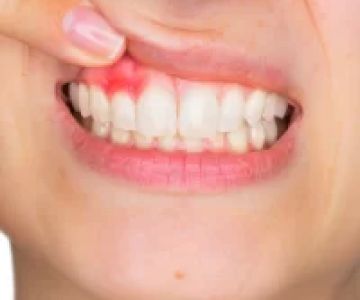
- Infection or Inflammation: If the treatment involves an incision, such as a tooth extraction or gum surgery, the body might react with inflammation or infection, which can contribute to foul smells.
- Food Particles: During treatment, food particles or debris can be trapped in the mouth, causing bad breath if not properly cleaned afterward.
- Medication: Certain medications prescribed after procedures can also contribute to dry mouth or other factors that exacerbate bad breath.
3. Effective Methods to Remove Bad Breath
If you're dealing with bad breath after a dental treatment, there are a few effective methods to freshen your breath:
- Hydration: Drinking plenty of water can help hydrate your mouth, stimulate saliva production, and wash away food particles.
- Mouthwash: Antiseptic mouthwashes can help kill bacteria that contribute to bad breath. Choose a mouthwash with fluoride or antibacterial properties.
- Chewing Sugar-Free Gum: This can stimulate saliva production, which naturally helps eliminate odors and prevent dry mouth.
- Brush and Floss Thoroughly: Maintaining proper oral hygiene is crucial. Ensure that you brush your teeth, tongue, and gums carefully after the procedure, and don't forget to floss to remove any trapped food particles.
4. Oral Hygiene Tips to Prevent Post-Treatment Bad Breath
Good oral hygiene practices can not only help get rid of bad breath after dental treatments but also prevent it from happening in the first place:
- Use a Tongue Scraper: The tongue can harbor bacteria, so using a tongue scraper daily can help reduce bad breath.
- Brush Twice a Day: Make sure to brush your teeth and gums at least twice a day to remove plaque and bacteria that cause bad breath.
- Stay on Top of Follow-Up Appointments: Regular check-ups after dental procedures ensure that any complications, such as infections, are caught early and treated.
- Maintain a Healthy Diet: Avoid foods that contribute to bad breath, such as garlic and onions, and focus on a diet rich in vegetables and fruits to help freshen your breath naturally.
5. When to Seek Professional Help
If your bad breath persists after dental treatment or becomes more severe, it may be time to consult with your dentist. Persistent bad breath could be a sign of an underlying issue, such as infection, gum disease, or a reaction to medication. Your dentist can help diagnose the cause and recommend appropriate treatment.
6. Wrap Up and Product Suggestions
Bad breath after dental treatment is a common and usually temporary issue. However, taking the right steps to manage it can help you feel more comfortable and confident. To maintain fresh breath and optimal oral hygiene, consider using mouthwashes, toothpaste, or tongue scrapers specifically designed to fight bad breath. For more information on effective oral care products, visit Dentistry Toothtruth and explore our recommendations for fresh breath and healthy teeth.

 Dental Solutions of Roxborough4.0 (219 review)
 Dental Dreams - Olney3.0 (1096 review)
 SHN Orthodontics5.0 (301 review)
 Dr Vahik Meserkhani4.0 (102 review)
 Fullerton Dental Care4.0 (59 review)
 myHealth Dentistry4.0 (65 review)
 The Importance of Oral Health Education During Pregnancy for a Healthy Pregnancy
 Best Tips for Brushing Your Teeth Properly for Healthy Gums: Essential Techniques for Oral Health
 Why Skipping Dental Checkups Can Lead to Bigger Oral Health Problems
 Advantages of Porcelain Dental Restorations
 How Can Diabetes Cause Tooth and Gum Problems? Preventing and Managing Oral Health Issues
 Healthy Habits for Promoting Good Oral Health and Hygiene: Tips for a Healthy Smile