
How to Fight Plaque Buildup: Effective Tips and Techniques
- Understanding Plaque Buildup
- Why Plaque Buildup is Dangerous
- Tips to Prevent Plaque Buildup
- Home Remedies for Plaque Removal
- Professional Dental Care for Plaque
Understanding Plaque Buildup
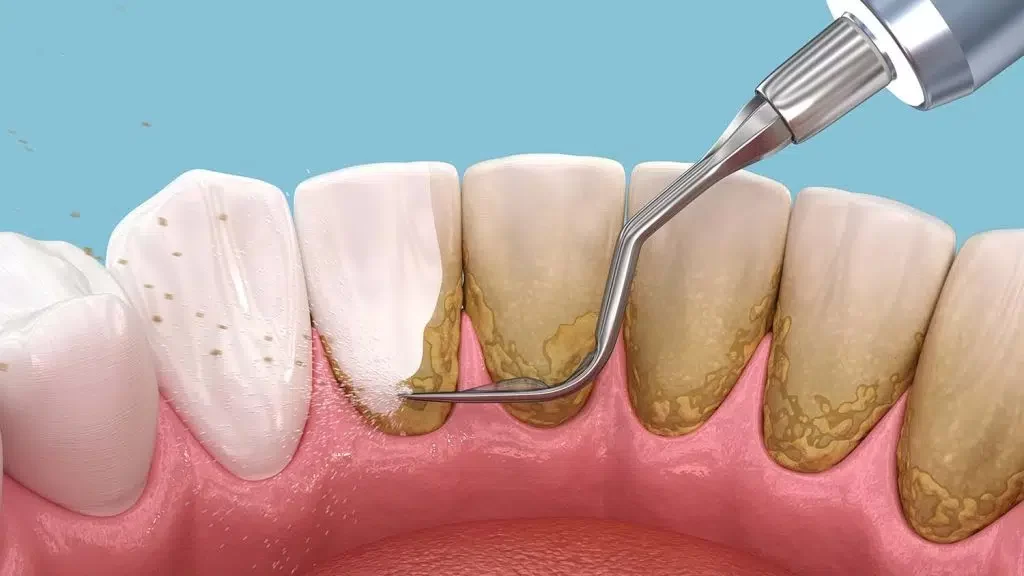
Plaque buildup is a sticky, colorless film of bacteria that forms on your teeth. If not removed, plaque can turn into tartar, which is more difficult to remove and can lead to serious dental issues. Plaque forms when sugars and starches from the food you eat combine with the bacteria naturally found in your mouth. This mixture creates an acidic environment that erodes tooth enamel, leading to cavities, gum disease, and bad breath.
While plaque buildup is a common issue, it can be effectively managed with the right practices and habits. Understanding how plaque forms and the risks associated with it is the first step toward maintaining a healthy smile.
Why Plaque Buildup is Dangerous
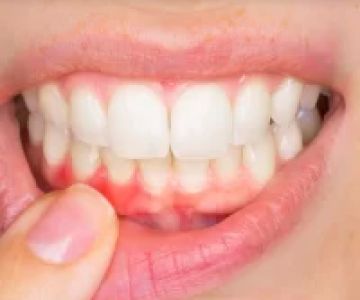
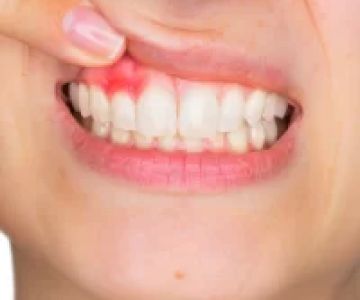
If plaque isn’t removed regularly, it hardens into tartar, which can only be removed by a dentist or hygienist. But that’s not all – plaque is also responsible for causing gingivitis, the earliest stage of gum disease. Symptoms of gingivitis include red, swollen gums that may bleed when you brush your teeth.
As plaque accumulates, it can lead to more serious dental issues like periodontitis, a severe form of gum disease that can cause tooth loss. Plaque buildup can also result in tooth decay, causing cavities that lead to further pain and expensive dental procedures. If you want to avoid these problems, it’s essential to know how to prevent plaque buildup and fight it before it becomes a serious issue.
Tips to Prevent Plaque Buildup
1. Brush Regularly
The most effective way to fight plaque buildup is through regular brushing. Brush your teeth at least twice a day for two minutes each time. Use a toothbrush with soft bristles and fluoride toothpaste, which helps to remove plaque and strengthen your enamel.
2. Use Dental Floss Daily
Brushing alone isn’t enough to remove plaque from between your teeth. Dental floss can reach areas your toothbrush can’t, ensuring that plaque is removed from every surface of your teeth. Flossing daily is an essential part of any oral hygiene routine.
3. Rinse with Mouthwash
After brushing and flossing, rinse your mouth with an antibacterial mouthwash. This can help to kill any remaining bacteria and prevent plaque from forming on your teeth. Mouthwash also freshens your breath, giving you the added benefit of a clean mouth.
4. Avoid Sugary Foods and Drinks
Since plaque forms when sugars and starches combine with bacteria, cutting back on sugary foods and drinks can help prevent plaque buildup. Try to limit your consumption of soda, candy, and other sugary snacks, and rinse your mouth with water after eating sugary foods.
Home Remedies for Plaque Removal
While regular brushing and flossing are your best defense, there are also some home remedies that can help remove plaque and prevent its buildup:
1. Baking Soda
Baking soda is a natural abrasive that can help scrub plaque off your teeth. You can either sprinkle it on your toothpaste or mix it with water to make a paste. Brush with this mixture a couple of times a week for an extra cleaning boost.
2. Oil Pulling
Oil pulling is an ancient practice that involves swishing oil (often coconut oil) around your mouth for several minutes. This helps to remove plaque and bacteria, and can also improve your gum health. While not a replacement for brushing, it’s a great complement to your oral hygiene routine.
Professional Dental Care for Plaque
Even with excellent home care, plaque buildup can still occur over time. That’s why regular dental checkups are essential. A dentist or dental hygienist can professionally clean your teeth to remove tartar and plaque buildup that brushing and flossing can’t reach.
1. Professional Cleanings
Professional cleanings involve more than just a typical cleaning – they also include scaling and polishing, which removes hardened plaque and tartar. This is often done every six months as part of your routine dental visit.
2. Checkups for Early Detection
Regular checkups allow your dentist to catch early signs of plaque-related problems, such as cavities or gum disease. Early intervention is key to preventing further damage and keeping your smile healthy.


 Peninsula Family Dentistry5.0 (193 review)
 Stephanie ML Wong, DMD, Inc.5.0 (1 review)
 RVA Dental Care4.0 (590 review)
 Brace Busters3.0 (2 review)
 Uncasville Dental Associates4.0 (103 review)
 Jay M. Goldberg, DDS5.0 (1 review)
 The Importance of Oral Health Education During Pregnancy for a Healthy Pregnancy
 Best Tips for Brushing Your Teeth Properly for Healthy Gums: Essential Techniques for Oral Health
 Why Skipping Dental Checkups Can Lead to Bigger Oral Health Problems
 Advantages of Porcelain Dental Restorations
 How Can Diabetes Cause Tooth and Gum Problems? Preventing and Managing Oral Health Issues
 Healthy Habits for Promoting Good Oral Health and Hygiene: Tips for a Healthy Smile