
Understanding the Importance of Oral Hygiene
Oral hygiene is more than just a routine; it is the foundation of a healthy mouth and overall well-being. Good oral care prevents cavities, gum disease, bad breath, and even more serious health problems like heart disease and diabetes. In the United States, millions struggle with oral health issues due to poor hygiene habits or lack of knowledge. Knowing how to do oral hygiene correctly can save you from painful dental treatments and costly procedures.
For example, a recent study by the American Dental Association found that nearly half of adults aged 30 and older show signs of gum disease. This highlights the critical need for proper oral care education and consistent hygiene practices. Whether you are young or old, oral hygiene plays a vital role in maintaining your confidence, health, and quality of life.
Step-by-Step Guide to Effective Oral Hygiene
1. Brushing Your Teeth the Right Way
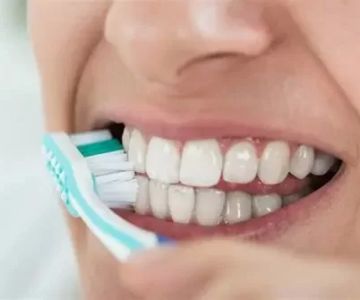
Brushing is the cornerstone of oral hygiene. The American Dental Association recommends brushing twice a day for two minutes each time. But more than just frequency, the technique matters. Use a soft-bristled toothbrush and fluoride toothpaste. Hold your brush at a 45-degree angle to your gums and use gentle circular motions. Avoid harsh scrubbing, which can damage enamel and gums.
Electric toothbrushes are also highly effective, especially for people with limited manual dexterity. Replace your toothbrush every three to four months or sooner if the bristles look worn. One common mistake is brushing immediately after meals, especially acidic foods, which can erode enamel. Waiting at least 30 minutes protects your teeth.
2. The Essential Role of Flossing
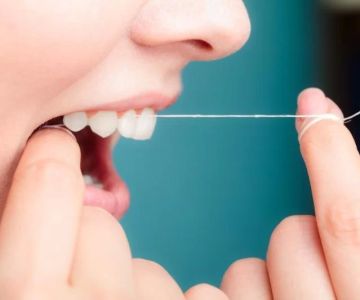
Flossing removes plaque and food particles from areas your toothbrush cannot reach, particularly between teeth and under the gumline. Many people neglect flossing, yet it is crucial for preventing gum disease and cavities. Use about 18 inches of floss, wrapping it around your fingers and gently sliding it between each tooth in a C-shape motion.
Studies show that regular flossing can reduce gum inflammation by up to 40%. If traditional floss is difficult to use, consider floss picks or water flossers, which can make cleaning easier and more comfortable.
3. Mouthwash: More Than Just Fresh Breath
A good mouthwash complements brushing and flossing by reducing bacteria and strengthening enamel. Choose an antiseptic or fluoride mouthwash recommended by dental professionals. Swish for 30 seconds after brushing and flossing to maximize benefits.
Be cautious with alcohol-based mouthwashes if you have sensitive gums, as they may cause irritation. Mouthwash also helps in managing bad breath, a common social concern, enhancing your confidence in daily interactions.
Nutrition and Oral Hygiene: What You Eat Matters
Oral hygiene isn’t limited to brushing and flossing; your diet plays a significant role in dental health. Sugary and acidic foods contribute to plaque buildup and tooth decay. Conversely, foods rich in calcium, vitamins C and D, and phosphates support strong teeth and healthy gums.
A memorable story from a patient at Dentistry Toothtruth involved a young man who struggled with recurring cavities. After incorporating healthier snacks like cheese, nuts, and vegetables and reducing sugary drinks, his oral health improved dramatically within months. This case emphasizes that good nutrition enhances oral hygiene efforts.
Common Oral Hygiene Mistakes to Avoid
Many people unknowingly undermine their dental care with bad habits. Overbrushing can erode enamel and irritate gums. Using a hard-bristled toothbrush or applying too much pressure are frequent mistakes. Skipping flossing or using incorrect flossing techniques leaves plaque buildup unchecked.
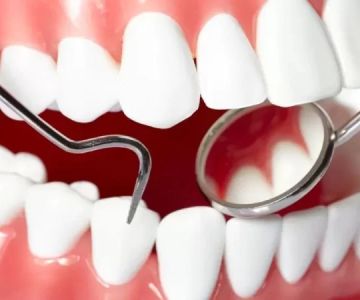
Another issue is inconsistent dental visits. Regular professional cleanings and checkups are vital, even if you practice good daily hygiene. Dentists can identify early signs of decay or gum disease that you might miss.
Technology and Innovations in Oral Hygiene
Recent advancements have revolutionized oral care. Smart toothbrushes connect to apps providing feedback on brushing patterns. Water flossers use pulsating streams to clean hard-to-reach areas effectively. Dental professionals now recommend these tools for enhanced hygiene, especially for patients with braces or dental implants.
Furthermore, laser therapy and new antimicrobial rinses offer solutions for gum disease treatment, highlighting how technology continues to support oral health improvement.
Building a Consistent Oral Hygiene Routine
Consistency is key to maintaining oral hygiene. Establish a routine that fits your lifestyle, ensuring twice-daily brushing, daily flossing, and regular use of mouthwash. Set reminders or use apps to help build habits. Pair your home care with twice-yearly dental visits to catch problems early.
Consider this: Sarah, a busy professional, struggled with irregular brushing. After adopting a smartphone reminder and switching to an electric toothbrush, she reported fresher breath and fewer dental issues, demonstrating how small adjustments can lead to big improvements.
When to Seek Professional Help
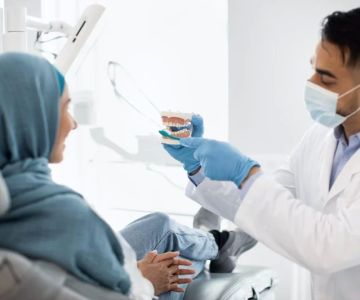
Despite diligent oral hygiene, some dental issues require expert attention. Persistent bleeding gums, tooth pain, or sensitivity are signs to consult a dentist. Early intervention can prevent complicated treatments later.
At Dentistry Toothtruth, patients receive comprehensive care tailored to their needs, including preventive advice and advanced treatments. Their experts emphasize personalized education to empower patients in their oral hygiene journey.


 iSmile Orthodontics - Yonkers4.0 (1032 review)
 The Modern Endodontist: Yarah Beddawi DDS | Root Canal Specialist in Mountain View and Los Altos4.0 (200 review)
 Dentlife Dental Care4.0 (15 review)
 Holistic Dental Wellness Center - Iman Abdeshahian, DMD4.0 (166 review)
 NorthShore Health Centers4.0 (153 review)
 Village Dentistry4.0 (130 review)
 The Importance of Oral Health Education During Pregnancy for a Healthy Pregnancy
 Best Tips for Brushing Your Teeth Properly for Healthy Gums: Essential Techniques for Oral Health
 Why Skipping Dental Checkups Can Lead to Bigger Oral Health Problems
 Advantages of Porcelain Dental Restorations
 How Can Diabetes Cause Tooth and Gum Problems? Preventing and Managing Oral Health Issues
 Healthy Habits for Promoting Good Oral Health and Hygiene: Tips for a Healthy Smile