

1. Early Signs of Tooth Decay
Tooth decay is a common problem that can impact anyone, but the earlier you detect it, the easier it is to prevent further damage. Here are some early warning signs of tooth decay to watch for:
- Visible Holes or Pits: One of the most noticeable signs of tooth decay is the formation of visible holes or pits in your teeth. These can appear as dark spots or small holes on the surface.
- Tooth Sensitivity: If you experience pain when consuming hot, cold, or sweet foods, it could be a sign of decay or damage to the tooth’s enamel.
- Tooth Pain: Continuous or intermittent tooth pain, especially while chewing, can indicate that decay has progressed to the inner layers of the tooth.
- Bad Breath or Foul Taste: Persistent bad breath or a foul taste in your mouth might suggest that decay is present and bacteria is growing in the affected area.
2. The Importance of Regular Dental Checkups
Regular dental checkups are essential for detecting tooth decay early. During a checkup, your dentist can identify any signs of decay that may not yet be visible to you. X-rays can be used to detect decay between teeth or beneath the surface. Dentists can also apply fluoride treatments that help prevent further decay and keep your teeth strong. By visiting your dentist regularly, you can catch problems early before they require more extensive treatment.
3. Prevention Tips for Tooth Decay
Preventing tooth decay is key to maintaining a healthy smile. Here are some effective ways to protect your teeth:
- Brush and Floss Regularly: Brushing your teeth at least twice a day and flossing daily removes plaque and food particles that can lead to tooth decay.
- Limit Sugary Foods and Drinks: Reducing your intake of sugary foods and drinks can prevent the bacteria in your mouth from producing acids that cause tooth decay.
- Use Fluoride Toothpaste: Fluoride helps to strengthen tooth enamel and can prevent the early stages of decay.
- Drink Water with Fluoride: Drinking tap water with fluoride can help reduce the risk of tooth decay.
- Visit Your Dentist Regularly: As mentioned earlier, regular dental visits are crucial for early detection and prevention of tooth decay.






 Molen Orthodontics4.0 (420 review)
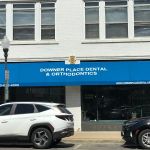 Downer Place Dental & Orthodontics4.0 (634 review)
 Swiatek Orthodontics4.0 (27 review)
 Anderson Dental4.0 (482 review)
 Hawaii Kai Family & Cosmetic Dentistry3.0 (3 review)
 Kevin B. Sands, DDS5.0 (168 review)
 The Importance of Oral Health Education During Pregnancy for a Healthy Pregnancy
 Best Tips for Brushing Your Teeth Properly for Healthy Gums: Essential Techniques for Oral Health
 Why Skipping Dental Checkups Can Lead to Bigger Oral Health Problems
 Advantages of Porcelain Dental Restorations
 How Can Diabetes Cause Tooth and Gum Problems? Preventing and Managing Oral Health Issues
 Healthy Habits for Promoting Good Oral Health and Hygiene: Tips for a Healthy Smile