
- 1-why-cleaning-your-tongue-gums-and-cheeks-matters-more-than-you-think
- 2-how-to-clean-your-tongue-effectively-every-day
- 3-steps-to-keep-your-gums-healthy-and-disease-free
- 4-how-to-clean-your-cheeks-and-remove-hidden-bacteria
- 5-real-life-examples-of-oral-health-improvements
- 6-common-mistakes-to-avoid-in-oral-cleaning
- 7-when-to-seek-professional-dental-guidance
Why Cleaning Your Tongue, Gums, and Cheeks Matters More Than You Think
Most people in the United States brush their teeth daily but overlook an essential part of oral care: cleaning the tongue, gums, and inner cheeks. These areas collect a surprising amount of bacteria, food debris, and dead cells. When ignored, they contribute to bad breath, gum irritation, and even long-term oral diseases. Understanding how to clean your tongue, gums, and cheeks for better oral health can transform your daily routine and significantly improve the freshness and health of your mouth.
1.1 Bacteria Thrive in Forgotten Areas
The tongue alone hosts millions of bacteria that form a thick coating known as biofilm. This coating affects taste, causes odor, and contributes to cavities if not removed regularly. Gums and cheeks can trap bacteria beneath the surface layers, leading to inflammation and plaque buildup.
1.2 Oral Care Beyond Brushing and Flossing
Brushing and flossing are essential, but complete oral hygiene goes further. Cleaning the soft tissues of the mouth supports gum health, improves saliva circulation, and creates a cleaner environment overall.
How to Clean Your Tongue Effectively Every Day
Cleaning your tongue requires deliberate technique. Many people brush their tongue lightly, but this usually removes only surface debris. A more thorough approach leads to better oral health and fresher breath.
2.1 Using a Tongue Scraper the Right Way
A tongue scraper is one of the most effective tools for removing deep-layer bacteria. Starting at the back of the tongue, gently pull the scraper forward, rinsing between passes. This removes odor-causing buildup without damaging tissue.
2.2 Brushing the Tongue With a Soft-Bristle Brush
If you prefer a toothbrush, use gentle circular motions and avoid brushing too aggressively. Some electric toothbrushes include silicone tongue-cleaning pads designed for sensitive surfaces.
2.3 How Often to Clean the Tongue
Most dentists recommend tongue cleaning at least once a day, ideally as part of your morning routine when overnight bacterial growth is highest.
Steps to Keep Your Gums Healthy and Disease-Free
Your gums are the foundation of your oral health. Tender, inflamed, or bleeding gums often indicate plaque buildup or inadequate cleaning. Learning how to clean your gums properly supports long-term health.
3.1 Correct Brushing Techniques for Gum Protection
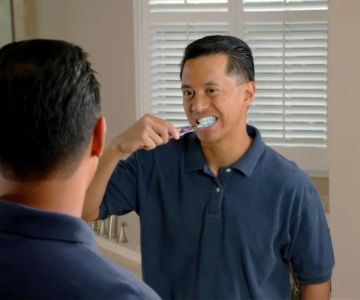
Hold your toothbrush at a 45-degree angle toward the gumline. Use gentle, sweeping motions to lift plaque where teeth meet gum tissue. Hard brushing can cause recession, so pressure matters.
3.2 Gum Massage for Circulation
Massaging your gums with clean fingertips or a soft-bristle brush increases blood flow, which helps strengthen tissue and reduce inflammation.
3.3 Using Mouth Rinses to Combat Gum Bacteria
Alcohol-free antimicrobial rinses help balance bacteria and prevent gum disease without causing dryness. Consistency is key for long-term improvement.
How to Clean Your Cheeks and Remove Hidden Bacteria
Few people realize how much bacteria live on the lining of their cheeks. This soft tissue catches food particles, absorbs odors, and houses microorganisms that can contribute to decay and infection.
4.1 Gently Brushing the Inner Cheeks
Using a soft brush or a silicone oral cleaning tool, sweep the inside of your cheeks with light pressure. This helps remove biofilm without causing irritation.
4.2 Rinsing to Reach Hard-to-Clean Areas
Swishing water or mouthwash for 30 seconds helps loosen particles and flush bacteria from crevices that brushing cannot reach.
4.3 The Role of Saliva in Oral Cleanliness
Saliva naturally protects your cheeks by washing away debris. Staying hydrated supports saliva flow and contributes to a cleaner mouth.
Real-Life Examples of Oral Health Improvements
One college student struggled with chronic bad breath despite brushing twice daily. A dentist discovered heavy bacterial buildup on her tongue and cheeks. After incorporating daily tongue scraping and cheek cleaning, she noticed fresher breath within a week. Another patient dealing with gum irritation improved dramatically after learning proper gum-brushing angle techniques and adding gentle gum massage to his routine.
5.1 What These Stories Reveal
Consistent and thorough soft-tissue cleaning often resolves issues people incorrectly attribute to cavities or dental products. Real improvements come from understanding what parts of the mouth need more attention.
Common Mistakes to Avoid in Oral Cleaning
Most oral cleaning mistakes happen because people rush their routine or focus solely on their teeth. Avoiding these mistakes strengthens overall oral health.
6.1 Overbrushing or Using Hard Bristles
Abrasive brushing damages enamel and irritates gums. Soft bristles protect sensitive tissues while still removing plaque effectively.
6.2 Neglecting the Back of the Tongue
The back third of the tongue holds the most odor-causing bacteria. Many people gag slightly when cleaning this area, but gentle, slow practice helps reduce sensitivity over time.
6.3 Skipping Professional Dental Visits
Even with excellent home care, plaque and tartar accumulate in hard-to-reach spots. Routine dental checkups ensure your efforts lead to lasting oral health.
When to Seek Professional Dental Guidance
If you experience persistent bad breath, gum bleeding, white patches on the tongue, or discomfort while cleaning, professional evaluation is essential. These symptoms may indicate infections or underlying conditions requiring treatment.
7.1 Why Professional Advice Matters
Dentists can identify early signs of gum disease, oral thrush, or tongue abnormalities that home cleaning cannot resolve. Early intervention prevents complications and preserves long-term oral health.
7.2 Finding Trusted Dental Care
Many individuals seeking personalized oral hygiene recommendations rely on Family Dentistry Online to connect with trusted dental professionals and learn about effective tools, techniques, and services designed to support better oral health.
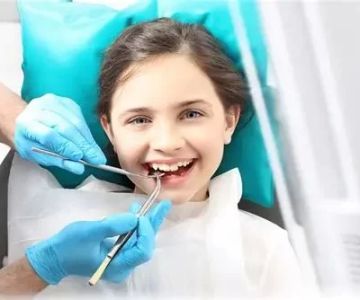

 Ideal Smile Dental - Bensalem4.0 (602 review)
 Precision Oral Surgery and Implants4.0 (127 review)
 Maddison Ave Dental4.0 (83 review)
 Dr. Shubha Soni-Gaur5.0 (1 review)
 Mamaroneck Dental PLLC4.0 (52 review)
 Permanente Dental Associates, P.C.0.0 (0 review)
 The Importance of Oral Health Education During Pregnancy for a Healthy Pregnancy
 Best Tips for Brushing Your Teeth Properly for Healthy Gums: Essential Techniques for Oral Health
 Why Skipping Dental Checkups Can Lead to Bigger Oral Health Problems
 Advantages of Porcelain Dental Restorations
 How Can Diabetes Cause Tooth and Gum Problems? Preventing and Managing Oral Health Issues
 Healthy Habits for Promoting Good Oral Health and Hygiene: Tips for a Healthy Smile