
Understanding Oral Cancer and Its Importance
Oral cancer is a serious condition that affects the tissues of the mouth and throat. In the United States, thousands of new cases are diagnosed every year. Early detection is vital because the survival rate significantly improves when oral cancer is found and treated at an early stage. While regular dental checkups are essential, knowing how to check for oral cancer at home can empower individuals to spot warning signs promptly and seek medical advice sooner.
Common Signs and Symptoms of Oral Cancer
Before performing a self-exam, it’s crucial to understand the common signs of oral cancer. These include persistent sores or ulcers in the mouth, red or white patches, lumps or thickened areas, unexplained bleeding, numbness, difficulty chewing or swallowing, and persistent sore throat or hoarseness. Not every symptom means cancer, but consistent or unusual changes should never be ignored.
1. Sores That Do Not Heal
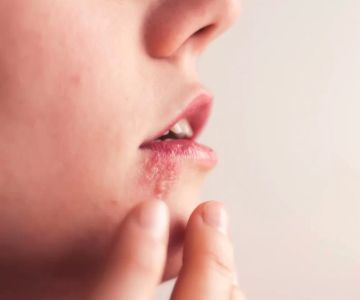
A common early warning sign is a sore or ulcer inside the mouth that doesn’t heal within two weeks. Unlike typical canker sores, these persist and may bleed easily.
2. White or Red Patches
Leukoplakia (white patches) and erythroplakia (red patches) can appear on the gums, tongue, or inside the cheeks. These can sometimes be precancerous and warrant immediate evaluation.
3. Lumps, Thickening, or Rough Spots
Any unexplained lumps or thickened areas in the mouth or neck should raise suspicion. These might feel firm or different from surrounding tissues.
Step-by-Step Guide to Checking for Oral Cancer at Home
Performing a self-exam is a simple but powerful tool. Here’s a thorough process you can follow regularly, ideally once a month.
Step 1: Gather Your Tools
Use a bright light (like a flashlight), a clean mirror, and clean hands. Find a quiet, comfortable place where you can take your time.
Step 2: Examine Your Lips and Outer Mouth
Look closely at your lips for any sores, discolorations, or lumps. Gently pull your lips outward and check both the front and back sides.
Step 3: Inspect Your Gums and the Roof of Your Mouth
Use the mirror to observe the gums, checking for swelling, color changes, or unusual textures. Tilt your head back to inspect the roof of your mouth for any abnormalities.
Step 4: Check the Inside of Your Cheeks
Pull your cheeks outward and look inside carefully. Feel the inside of your cheeks with your fingers for lumps or thickened areas while visually inspecting for patches or sores.
Step 5: Examine Your Tongue
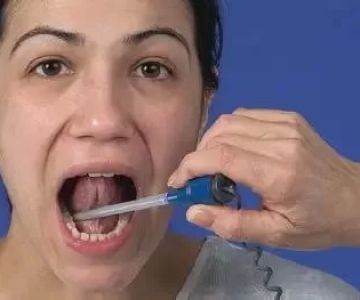
Stick your tongue out and check all surfaces, including the top, sides, and underside. Feel for any lumps or rough areas. Use the mirror and a flashlight to see the underside of your tongue and the floor of your mouth.
Step 6: Look at Your Throat and Neck
Open your mouth wide and say "ah" to get a clear view of your throat. Check for redness, swelling, or lesions. Gently feel the sides and front of your neck for lumps or enlarged lymph nodes.
When to See a Healthcare Professional
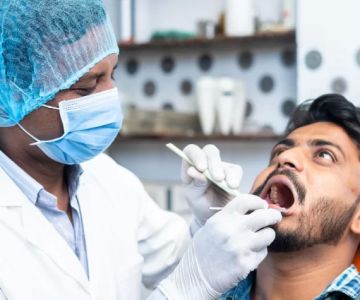
If you notice any persistent abnormalities such as sores that don’t heal after two weeks, unexplained lumps, or any unusual patches in your mouth, schedule an appointment with a healthcare provider or dentist immediately. Early consultation can lead to prompt diagnosis and significantly improve treatment outcomes.
Understanding Risk Factors
Individuals who smoke, consume alcohol heavily, or have a history of HPV infection are at higher risk of oral cancer. Being vigilant about self-exams is especially important for these groups.
Real-Life Story: Early Detection Saves Lives
Sarah, a 45-year-old teacher from Texas, noticed a small white patch inside her cheek during her routine self-exam. At first, she dismissed it as irritation from braces. However, the patch persisted for more than three weeks. Concerned, she consulted her dentist who referred her to a specialist. A biopsy revealed early-stage oral cancer, which was successfully treated. Sarah credits her monthly self-exams for catching the disease early and encouraging timely medical intervention.
Tips for Maintaining Oral Health and Reducing Cancer Risk
Good oral hygiene, avoiding tobacco and excessive alcohol, maintaining a balanced diet rich in fruits and vegetables, and regular dental checkups all contribute to reducing oral cancer risk. Protecting yourself with routine self-exams complements these habits, empowering you to take charge of your oral health.
Stay Informed and Vigilant
Awareness and proactive health monitoring can make a profound difference. If you’re unsure or notice changes, professional advice is always the safest route.
Where to Get Help
For trusted advice, screenings, or if you suspect oral cancer, Dentistry Toothtruth offers comprehensive services and expert guidance tailored to your needs. Their dedicated professionals are committed to your oral health and can provide personalized recommendations and treatment options.
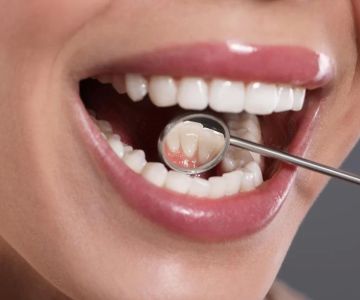
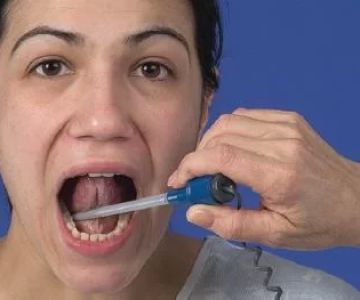
 Grace Dental Smiles4.0 (850 review)
 Nassau Shores Family Dental4.0 (13 review)
 Tend East Nashville4.0 (319 review)
 PERFECT SMILES DENTAL / Nguyen Katherine T DMD, FAGD5.0 (3 review)
 Steven L Kim DDS5.0 (59 review)
 Children's Dental FunZone - Pediatric Dentist - Fontana4.0 (1496 review)
 The Importance of Oral Health Education During Pregnancy for a Healthy Pregnancy
 Best Tips for Brushing Your Teeth Properly for Healthy Gums: Essential Techniques for Oral Health
 Why Skipping Dental Checkups Can Lead to Bigger Oral Health Problems
 Advantages of Porcelain Dental Restorations
 How Can Diabetes Cause Tooth and Gum Problems? Preventing and Managing Oral Health Issues
 Healthy Habits for Promoting Good Oral Health and Hygiene: Tips for a Healthy Smile