
How to Care for Your Teeth When You Have Braces: Essential Tips and Techniques
- Understanding the Importance of Braces Care
- Brushing Teeth with Braces: Key Techniques
- Flossing with Braces: How to Do It Right
- Dealing with Food and Braces
- Visiting Your Orthodontist: Why It's Crucial
- Common Mistakes to Avoid When Caring for Braces
- Recommended Products for Braces Care
Understanding the Importance of Braces Care
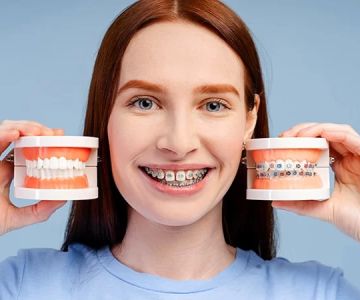
Braces are a great tool for achieving a beautiful, healthy smile, but they require proper care to ensure that your treatment progresses smoothly. The key to keeping your teeth and braces in top shape is maintaining excellent oral hygiene. Failure to do so can lead to plaque buildup, tooth decay, and even extended treatment time. Braces care goes beyond just brushing—it’s about consistent maintenance, the right techniques, and the right tools.
Brushing Teeth with Braces: Key Techniques
When you have braces, brushing your teeth effectively can be a challenge. Food particles and plaque can get trapped between the brackets, making it harder to keep your teeth clean. Here are a few tips to ensure you brush your teeth correctly:
- Use a soft-bristled toothbrush specifically designed for braces, or an electric toothbrush with an orthodontic head.
- Brush after every meal to prevent food from sticking to your braces.
- Hold the toothbrush at a 45-degree angle to clean the area where your brackets meet the teeth.
- Brush in a circular motion around the brackets and the wires.
By following these steps, you’ll be able to effectively clean your teeth and braces, keeping your smile bright and your treatment on track.
Flossing with Braces: How to Do It Right
Flossing is essential for maintaining good oral hygiene, especially when you wear braces. However, traditional flossing can be tricky with braces in place. Here’s how to floss with braces:
- Use a floss threader or orthodontic floss to get under the wires.
- Wrap the floss around the threader, insert it under the wire, and slide it between your teeth to remove food particles and plaque.
- Repeat this process between all your teeth, making sure to floss both sides of each tooth.
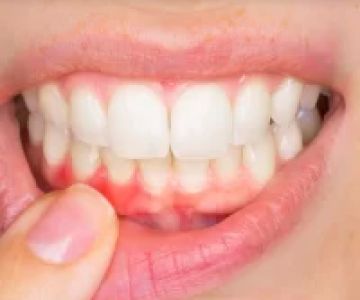
Flossing with braces might take more time than usual, but it’s crucial to avoid gum disease and cavities.
Dealing with Food and Braces
Certain foods can damage your braces or get stuck between the brackets, making cleaning more difficult. To prevent this, try to avoid the following:
- Sticky or chewy foods (like caramel, taffy, and gum).
- Hard foods (such as nuts, hard candy, and ice).
- Crunchy foods (like popcorn and chips) that may get stuck in your braces.
Instead, focus on soft foods that are easier to eat without damaging your braces, such as yogurt, mashed potatoes, and pasta.
Visiting Your Orthodontist: Why It's Crucial
Your orthodontist is your best ally when it comes to taking care of your braces. Regular visits ensure that your treatment is progressing as expected, and any necessary adjustments can be made to keep your braces working effectively. Additionally, your orthodontist can check for signs of oral issues like cavities or gum disease and provide professional cleaning services.
Don’t skip these appointments! They are critical to the success of your treatment and your oral health.
Common Mistakes to Avoid When Caring for Braces
While you may be doing your best to take care of your braces, there are common mistakes many people make that can slow down their progress:
- Skipping flossing—this can lead to plaque buildup around your braces.
- Not brushing after meals—food left on your braces can cause cavities and staining.
- Eating hard, sticky, or chewy foods—these can damage or break your braces.
Avoiding these mistakes will help ensure your braces treatment stays on track and you achieve the results you’re hoping for.
Recommended Products for Braces Care
To make caring for your braces easier, you may want to consider using specialized products designed for orthodontic care. Here are a few that can help:
- Orthodontic Toothbrushes: These are specifically designed to clean around brackets and wires.
- Orthodontic Flossers: Ideal for flossing between brackets without causing damage.
- Water Flossers: A great tool for cleaning hard-to-reach places around braces.
- Dental Wax: Helps soothe any discomfort caused by brackets or wires rubbing against your gums.
These products can significantly improve your oral hygiene routine and make managing your braces much easier.
If you're looking for more tips on caring for your braces, or if you need help with finding the best orthodontic care products, visit Dentistry Toothtruth for expert advice and recommendations. Keep your braces and teeth in great shape, and your smile will shine even brighter when your treatment is complete!

 Absolute Dental - Maryland Pkwy4.0 (580 review)
 CAMcare Health Corporation- Clementon4.0 (341 review)
 Tascha Z. Fuchs, DDS5.0 (63 review)
 Bragassa Orthodontics - McIntosh Location5.0 (261 review)
 Smile Family Dental4.0 (95 review)
 Seattle Smiles Dental4.0 (50 review)
 The Importance of Oral Health Education During Pregnancy for a Healthy Pregnancy
 Best Tips for Brushing Your Teeth Properly for Healthy Gums: Essential Techniques for Oral Health
 Why Skipping Dental Checkups Can Lead to Bigger Oral Health Problems
 Advantages of Porcelain Dental Restorations
 How Can Diabetes Cause Tooth and Gum Problems? Preventing and Managing Oral Health Issues
 Healthy Habits for Promoting Good Oral Health and Hygiene: Tips for a Healthy Smile