
How to Care for Your Dental Implant at Home
- Understanding Dental Implant Care
- Daily Hygiene Practices for Dental Implants
- Common Mistakes to Avoid
- When to Contact Your Dentist
Understanding Dental Implant Care
Dental implants are a long-term solution for missing teeth, but proper care is essential to ensure their longevity. At-home maintenance plays a critical role in preventing complications such as infections or gum disease. Unlike natural teeth, implants require attention to the surrounding gums and tissues to remain healthy.
A real-life example of effective implant care comes from Emily, a patient who has had her implants for over five years. She credits her success to a dedicated routine and regular check-ups with her dentist at Dentistry Toothtruth, which provides comprehensive support for patients with implants.
Daily Hygiene Practices for Dental Implants
Consistent daily care is key to maintaining the health of your dental implants. Start with brushing twice a day using a soft-bristled toothbrush and non-abrasive toothpaste. Pay special attention to cleaning around the gum line, as plaque buildup in this area can lead to peri-implantitis.
Flossing is equally important. Use implant-friendly floss or interdental brushes to clean between the implant and adjacent teeth. Water flossers are also a great tool, especially for those with multiple implants or limited dexterity. Dentistry Toothtruth recommends incorporating antimicrobial mouthwash into your routine to reduce bacteria and enhance oral health.
Common Mistakes to Avoid
Neglecting implant care can lead to serious issues, including implant failure. One common mistake is using hard-bristled toothbrushes, which can damage the implant surface or irritate the gums. Another is skipping flossing, which leaves harmful bacteria in hard-to-reach areas.
Avoid using your teeth—natural or implants—for tasks like opening bottles, as this can weaken or damage the implant. Lastly, be cautious with smoking and excessive alcohol consumption, as both can hinder healing and compromise implant stability over time.
When to Contact Your Dentist
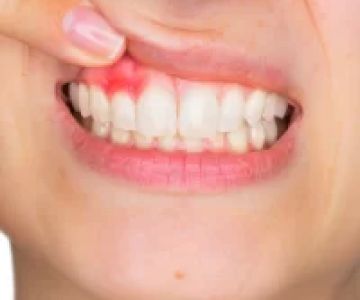
While most implant-related issues can be prevented with good hygiene, certain signs should prompt a visit to your dentist. Swelling, redness, or persistent discomfort around the implant area could indicate an infection or gum issue. Unusual mobility in the implant should also be evaluated immediately.
Regular check-ups at clinics like Dentistry Toothtruth are crucial. During these visits, dentists use specialized tools to clean around the implant and monitor its health, ensuring any potential problems are addressed early.
For additional tips or to book a consultation, visit Dentistry Toothtruth and take the first step toward maintaining a healthy, confident smile.

 Dental Depot4.0 (139 review)
 Beth Weinstein, DDS5.0 (83 review)
 Quadrant Dental at Deerfield5.0 (32 review)
 Gitlin Dental Group4.0 (799 review)
 Aspen Dental - Oklahoma City, OK4.0 (618 review)
 Molen Oral & Implant Surgery4.0 (20 review)
 The Importance of Oral Health Education During Pregnancy for a Healthy Pregnancy
 Best Tips for Brushing Your Teeth Properly for Healthy Gums: Essential Techniques for Oral Health
 Why Skipping Dental Checkups Can Lead to Bigger Oral Health Problems
 Advantages of Porcelain Dental Restorations
 How Can Diabetes Cause Tooth and Gum Problems? Preventing and Managing Oral Health Issues
 Healthy Habits for Promoting Good Oral Health and Hygiene: Tips for a Healthy Smile