
How to Care for Dental Implants: A Comprehensive Guide
- Understanding Dental Implants
- Importance of Proper Care for Dental Implants
- Steps to Care for Dental Implants
- Common Mistakes to Avoid in Caring for Dental Implants
- The Role of Regular Dental Checkups in Implant Care
- When to Seek Professional Help for Dental Implant Issues
Understanding Dental Implants
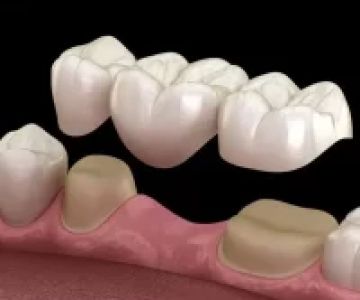
Dental implants are artificial tooth roots placed into the jawbone to support crowns, bridges, or dentures. They are made of biocompatible materials such as titanium, ensuring they fuse well with the bone for long-term durability. Unlike dentures, which can be removed, dental implants provide a permanent solution for missing teeth, offering improved function and aesthetics.
For anyone considering dental implants, it’s essential to understand their long-term care requirements to ensure their longevity and effectiveness. Caring for dental implants properly is just as important as the procedure itself, as it can significantly impact the health of your gums and the success of the implant over time.
Importance of Proper Care for Dental Implants
Proper care of dental implants is crucial because it helps prevent complications such as gum infections, implant failure, and discomfort. Unlike natural teeth, implants don’t decay, but the surrounding gum tissue and bone can still suffer from poor oral hygiene or neglect. Therefore, regular care and maintenance are necessary to keep the implants functioning properly and looking great.
Proper care involves more than just brushing your teeth. It's essential to follow a comprehensive oral hygiene routine to avoid any issues that could lead to implant failure. Let’s take a look at the key steps involved in maintaining your dental implants.
Steps to Care for Dental Implants
To ensure the longevity and success of your dental implants, consider these important care guidelines:
- Brush and floss regularly: Just like your natural teeth, dental implants require daily brushing and flossing. Use a soft-bristled toothbrush to avoid damaging the gum tissue around the implants, and make sure to floss around them carefully to prevent plaque buildup.
- Use the right tools: Consider using special brushes or tools designed for cleaning dental implants. Interdental brushes or floss threaders can be particularly helpful for cleaning between implants and surrounding teeth.
- Watch your diet: Avoid sticky or hard foods that could damage your implants or cause plaque buildup. Stick to a balanced diet that supports overall oral health and helps maintain the strength of your implants.
- Avoid smoking: Smoking can significantly affect the success of your dental implants by impeding the healing process and causing gum disease. If you smoke, consider quitting to increase the chances of long-term success with your implants.
Common Mistakes to Avoid in Caring for Dental Implants
Even with the best intentions, patients sometimes make mistakes when it comes to dental implant care. Here are a few common pitfalls to avoid:
- Ignoring regular dental checkups: Even though your implants are designed to last, regular checkups are vital to monitor their condition and the health of your gums and surrounding teeth.
- Using abrasive toothpaste: Toothpastes with harsh abrasives can scratch the surface of your implants, making them more susceptible to plaque and bacteria buildup. Opt for non-abrasive toothpaste to ensure a smooth finish on your implants.
- Skipping flossing: While brushing is important, flossing is equally crucial in maintaining healthy gums around your implants. Failing to floss regularly can lead to plaque buildup and potential infections.
- Not following post-surgery care instructions: After implant surgery, it’s crucial to follow your dentist’s instructions for care. Failing to adhere to post-operative guidelines can result in complications, such as infections or implant rejection.
The Role of Regular Dental Checkups in Implant Care
Regular dental checkups are essential for keeping your dental implants in top shape. Even though implants are designed to be durable, routine visits to your dentist or implant specialist ensure that any potential issues are caught early. These visits may involve X-rays to check the health of your jawbone and implants, as well as professional cleaning to remove any plaque buildup that regular brushing and flossing might miss.
During these checkups, your dentist will also assess the condition of your gums and the overall fit of your implants. If any adjustments are needed, they can be made before any major issues arise.
When to Seek Professional Help for Dental Implant Issues
While dental implants are generally safe and effective, there are times when you should seek professional help. If you notice any of the following signs, it’s important to visit your dentist as soon as possible:
- Pain or discomfort: While some discomfort after implant surgery is normal, persistent pain or sensitivity could be a sign of an infection or implant failure.
- Loosening or movement: If you feel that your implant is becoming loose or is moving, seek dental help immediately. This could indicate that the implant is not properly fused with your jawbone.
- Gum inflammation: Swollen or bleeding gums around the implant can indicate a bacterial infection, which can jeopardize the success of your implant.
By addressing these issues early on, you can prevent more serious complications and extend the lifespan of your dental implants.
Conclusion
Caring for your dental implants is crucial for their longevity and functionality. By following proper oral hygiene practices, avoiding common mistakes, and scheduling regular dental checkups, you can ensure your implants remain in top condition for many years. Remember, your dentist is your best resource for keeping your implants healthy, so don’t hesitate to seek professional help whenever you need it.
If you're looking to learn more about how to care for dental implants or need expert advice, visit Dentistry Toothtruth for more helpful tips and services.

 Newport Dental & Orthodontics4.0 (192 review)
 Ponderosa Smiles; Rob D. Lyons D.D.S.5.0 (204 review)
 Dental Associates of St Paul3.0 (283 review)
 Neighborhood Family Dentistry2.0 (16 review)
 Seung H. Baek, DDS, Inc.4.0 (19 review)
 Dr. Clayton Wainwright4.0 (11 review)
 The Importance of Oral Health Education During Pregnancy for a Healthy Pregnancy
 Best Tips for Brushing Your Teeth Properly for Healthy Gums: Essential Techniques for Oral Health
 Why Skipping Dental Checkups Can Lead to Bigger Oral Health Problems
 Advantages of Porcelain Dental Restorations
 How Can Diabetes Cause Tooth and Gum Problems? Preventing and Managing Oral Health Issues
 Healthy Habits for Promoting Good Oral Health and Hygiene: Tips for a Healthy Smile