
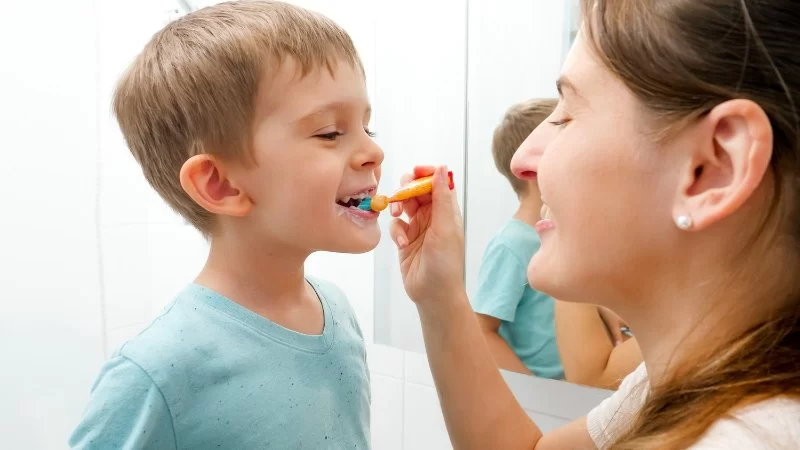
1. Why Oral Hygiene Matters More Than You Think
1.1 The Connection Between Oral Health and Overall Wellness
When people think of health, they often focus on diet, exercise, or sleep—but rarely their teeth. Yet oral hygiene is deeply tied to your overall well-being. Poor oral health can lead to gum disease, which has been linked to heart disease, diabetes, and even Alzheimer’s. Bacteria from infected gums can enter the bloodstream, affecting organs far beyond the mouth.
The CDC reports that nearly 50% of adults aged 30 and older in the U.S. have some form of periodontal disease. And the frustrating part? Most of it is preventable. Knowing how to better oral hygiene isn’t just about clean teeth—it’s about protecting your whole body.
2. Building a Strong Oral Care Routine That Actually Works
2.1 Brushing the Right Way—Not Just Twice a Day
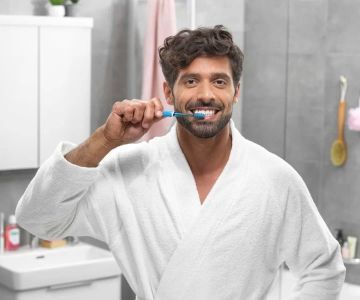
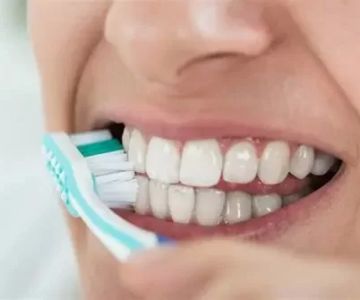
Brushing is not about scrubbing hard—it’s about brushing smart. Dentists recommend brushing at least twice a day for two full minutes using fluoride toothpaste. But technique matters. Use small, circular motions at a 45-degree angle to the gums and make sure you’re reaching every surface—especially the gumline.
Electric toothbrushes are proven to reduce plaque more effectively than manual ones. A study published in the Journal of Clinical Periodontology found that over a 10-year period, electric brush users had healthier gums and retained more teeth. It's a small investment that can lead to long-term benefits.
2.2 The Flossing Debate—and Why It’s Not Optional
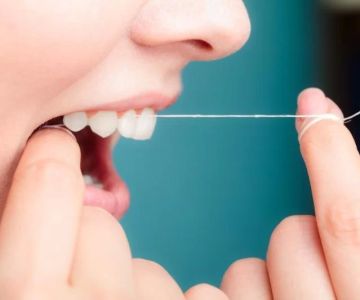
Flossing isn’t just a dental ritual; it’s essential for removing food and plaque where toothbrushes can’t reach. Daily flossing helps prevent gum inflammation and bad breath. Yet according to the American Dental Association, only 30% of Americans floss daily.
One patient, Mark, 42, from Ohio, shared his story: “I thought bleeding gums were normal. My dentist explained it was early gum disease. I started flossing properly every night—and within two weeks, the bleeding stopped.” This is how simple habits can reverse real damage.
2.3 Mouthwash and Tongue Scraping—Extras That Make a Difference
Antibacterial mouthwash can reduce harmful bacteria in the mouth, freshen breath, and decrease plaque buildup. Choose alcohol-free options to avoid drying your mouth. Tongue scraping, though often overlooked, is another effective tool for removing odor-causing bacteria.
Try incorporating these steps into your morning routine for a complete clean that lasts all day. You’ll feel the difference—literally.
3. Nutrition’s Role in Better Oral Hygiene
3.1 Sugar, Acid, and the Hidden Enemies of Your Smile
Sugary drinks, sticky snacks, and acidic foods are some of the worst culprits for tooth decay. These substances feed bacteria that produce acids, eroding enamel and causing cavities. Sodas, even diet versions, can be just as damaging due to their acidity.
Dentists suggest chewing sugar-free gum after meals to stimulate saliva, which neutralizes acids. Drinking water regularly, especially fluoridated water, helps rinse your mouth and protect against decay.
3.2 Foods That Strengthen Your Teeth
Calcium-rich foods like dairy, leafy greens, and almonds help build enamel strength. Vitamin D assists calcium absorption, while phosphorus in eggs and fish supports bone and tooth structure. Crunchy fruits and vegetables like apples or carrots also act as natural toothbrushes, scrubbing away debris as you chew.
4. Real Stories of Change Through Better Oral Hygiene
4.1 A Teen’s Turnaround
Emily, a high school student from Texas, used to skip brushing in the mornings before school. After a dental scare with two early cavities, her parents implemented a family “oral hygiene challenge” where everyone tracked their brushing and flossing habits. In six months, her next dental visit showed zero new decay, and she’d developed consistent habits that stuck.
4.2 Overcoming Dental Anxiety as an Adult
James, a 34-year-old software engineer, avoided the dentist for nearly a decade due to fear. But recurring tooth pain forced him to face it. “I found a gentle dentist who explained everything clearly. After a deep cleaning, I started taking oral care seriously. Now I go every six months and actually look forward to that clean feeling.” Stories like his are more common than people realize.
5. The Power of Regular Dental Checkups
5.1 Why Cleanings Matter—Even If You Brush Daily
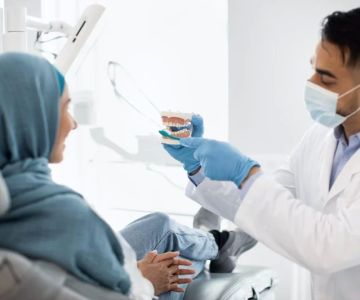
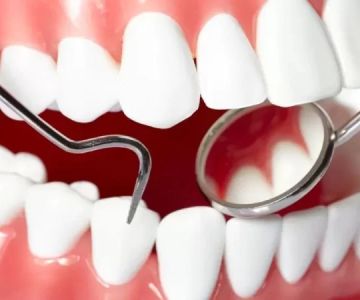
Even the best toothbrush can’t remove hardened tartar. Professional cleanings every six months help prevent decay and catch issues early. Dentists can detect tiny cavities, gum inflammation, and signs of bruxism or misalignment before they become bigger problems.
Regular visits also build trust between you and your dental provider. You’re more likely to follow care advice from someone you feel comfortable with—and that comfort can make all the difference in sticking to your hygiene plan.
5.2 Dentistry Toothtruth—Your Partner in Healthier Smiles
When it comes to knowing how to better oral hygiene, guidance matters. At Dentistry Toothtruth, we connect you with trusted services, expert insights, and curated oral care products tailored to your needs. Whether you're looking for an electric toothbrush, professional-grade flossers, or a nearby dental clinic, we help you find the right tools and support.
Take the next step toward a healthier mouth and brighter smile. Because better oral hygiene doesn’t just change your teeth—it changes your confidence and your life.

 Zhihao You, DDS, MS, PhD0.0 (0 review)
 Smileyville Braces and Invisalign4.0 (431 review)
 Arts District Dental4.0 (370 review)
 Barrett Dental Care4.0 (221 review)
 Westborough Family Dental5.0 (71 review)
 Crest Hill Family Dental4.0 (40 review)
 The Importance of Oral Health Education During Pregnancy for a Healthy Pregnancy
 Best Tips for Brushing Your Teeth Properly for Healthy Gums: Essential Techniques for Oral Health
 Why Skipping Dental Checkups Can Lead to Bigger Oral Health Problems
 Advantages of Porcelain Dental Restorations
 How Can Diabetes Cause Tooth and Gum Problems? Preventing and Managing Oral Health Issues
 Healthy Habits for Promoting Good Oral Health and Hygiene: Tips for a Healthy Smile