
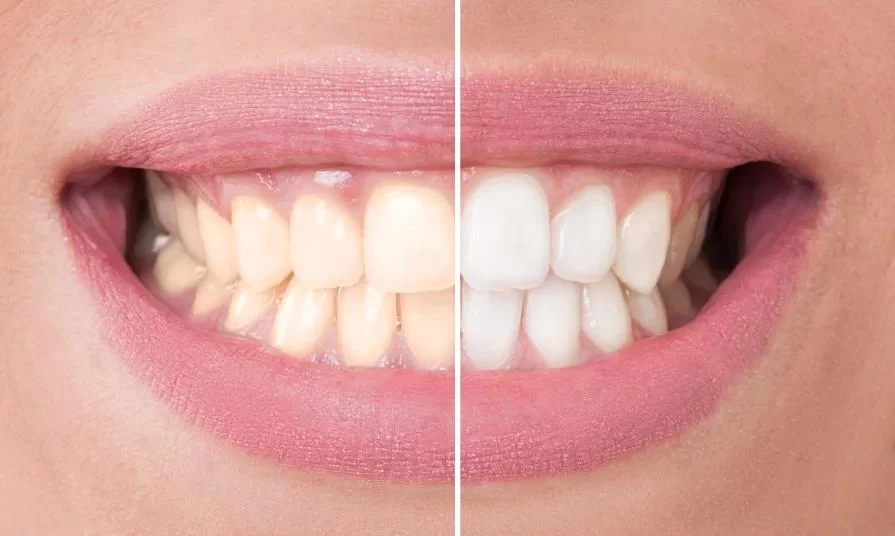
How to Avoid Staining Teeth from Tea: Effective Tips for Maintaining a Bright Smile
- 1. Why Does Tea Stain Your Teeth?
- 2. How to Prevent Staining Teeth from Tea
- 3. Best Types of Tea to Drink for Your Teeth
- 4. Tips for Whitening Teeth After Drinking Tea
- 5. How Tea Affects Your Overall Oral Hygiene
1. Why Does Tea Stain Your Teeth?
Tea is a beloved beverage worldwide, but if you drink it regularly, you might have noticed that it can lead to staining your teeth. This happens primarily due to the presence of tannins, which are plant-based compounds found in many types of tea. Tannins have a tendency to bind with proteins in your teeth, leading to discoloration over time.
Both black and green teas contain tannins, although black tea generally causes more staining. The longer the tea sits on your teeth, the more likely it is to cause lasting stains. Additionally, the acidity in tea can also weaken tooth enamel, making it easier for stains to adhere to your teeth.
2. How to Prevent Staining Teeth from Tea
While it’s difficult to avoid tea stains entirely, there are several strategies you can employ to minimize staining and keep your smile bright:
- Drink Tea in One Go: Sipping tea slowly throughout the day allows it to linger on your teeth, increasing the chance of staining. Try to drink your tea in one sitting to reduce its impact on your teeth.
- Rinse Your Mouth After Drinking Tea: After enjoying a cup of tea, rinse your mouth with water. This will help wash away some of the tannins and reduce the chance of staining.
- Use a Straw: If you’re drinking iced tea, consider using a straw. This will help keep the tea from coming into direct contact with your teeth, minimizing the risk of staining.
- Brush Your Teeth After Drinking Tea: If possible, brush your teeth after drinking tea. Waiting at least 30 minutes is recommended, as brushing too soon can actually damage your enamel. This step can help remove any tea residues left on your teeth.
- Opt for Lighter Teas: While all teas contain tannins, lighter teas like white or green tea tend to stain less than black tea. If you’re concerned about staining, consider switching to these varieties.
By incorporating these simple practices into your daily routine, you can greatly reduce the chances of staining your teeth while still enjoying your favorite tea.
3. Best Types of Tea to Drink for Your Teeth
If you're a tea lover but want to avoid staining, it's essential to choose the right types of tea. Here are some options that are less likely to cause staining:
- White Tea: This type of tea contains the least amount of tannins, making it one of the best options for preventing stains.
- Green Tea: Although it does contain tannins, green tea is typically less staining than black tea. It’s also rich in antioxidants, which are beneficial for your overall health.
- Herbal Tea: Many herbal teas, such as chamomile or mint, don’t contain tannins at all. These are excellent choices if you're concerned about staining your teeth.
- Oolong Tea: Oolong falls between black and green tea in terms of staining potential. It contains fewer tannins than black tea but more than green tea, so it's a moderate option.
Switching to lighter teas or herbal varieties can make a significant difference in keeping your teeth white and healthy. If you can't resist black tea, consider pairing it with some of the tips mentioned earlier.
4. Tips for Whitening Teeth After Drinking Tea
If you've noticed that your teeth have become discolored from drinking tea, don’t worry — there are plenty of ways to restore their natural whiteness:
- Whitening Toothpaste: Use a whitening toothpaste to help remove surface stains. Look for toothpaste that contains baking soda or activated charcoal, which are known for their stain-fighting properties.
- Regular Professional Cleanings: Visit your dentist for regular cleanings. Professional cleanings are effective at removing deep stains that regular brushing can’t tackle.
- At-Home Teeth Whitening Kits: There are many over-the-counter teeth whitening products available, from strips to gels. These products can help reduce staining and restore your teeth’s whiteness.
- Natural Remedies: Some people swear by natural remedies such as brushing with baking soda or oil pulling with coconut oil. While these methods may not be as effective as professional treatments, they can help maintain a bright smile when used regularly.
With the right whitening methods, you can reverse the effects of tea stains and keep your teeth looking their best.
5. How Tea Affects Your Overall Oral Hygiene
In addition to causing staining, tea can also affect your oral hygiene in other ways. The acidity in tea can weaken your enamel over time, making your teeth more vulnerable to decay and sensitivity. It's important to balance your tea intake with proper oral hygiene habits to prevent long-term damage.
Here are some tips for maintaining excellent oral health while enjoying tea:
- Brush Twice a Day: Brush your teeth at least twice daily with fluoride toothpaste to remove plaque and prevent cavities.
- Floss Regularly: Flossing helps remove food particles and plaque from between your teeth, areas that your toothbrush can't reach.
- Use Mouthwash: Incorporate an antibacterial mouthwash into your routine to help kill bacteria and freshen your breath after drinking tea.
By following these practices and taking steps to prevent tea stains, you can maintain optimal oral health and enjoy your tea without worrying about discoloration.
If you're looking to maintain a bright, healthy smile while drinking tea, be sure to check out the latest oral care products at Dentistry Toothtruth. We offer a range of products to help protect your teeth and keep them white, no matter how much tea you enjoy.






 Leading Edge Oral Surgery Plainview4.0 (708 review)
 Virginia Family Dentistry Brandermill - Woodlake4.0 (724 review)
 Willamette Dental Group - Tacoma3.0 (203 review)
 Monona Dental5.0 (244 review)
 Coventry Family Dental4.0 (247 review)
 DentFirst Dental Care McDonough4.0 (534 review)
 The Importance of Oral Health Education During Pregnancy for a Healthy Pregnancy
 Best Tips for Brushing Your Teeth Properly for Healthy Gums: Essential Techniques for Oral Health
 Why Skipping Dental Checkups Can Lead to Bigger Oral Health Problems
 Advantages of Porcelain Dental Restorations
 How Can Diabetes Cause Tooth and Gum Problems? Preventing and Managing Oral Health Issues
 Healthy Habits for Promoting Good Oral Health and Hygiene: Tips for a Healthy Smile