
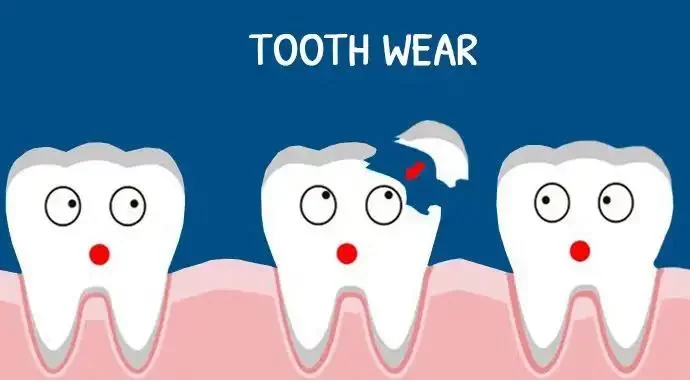
How to Avoid Enamel Wear and Tear: Essential Tips for Protecting Your Teeth
- 1. Understanding Enamel: What is it and Why is it Important?
- 2. What Causes Enamel Wear and Tear?
- 3. How to Prevent Enamel Wear: Best Practices
- 4. Strengthening Your Enamel for Long-Term Protection
- 5. Recommended Products for Enamel Care
1. Understanding Enamel: What is it and Why is it Important?
Enamel is the hard, outer layer of your teeth, and it's the body's strongest substance. Its main function is to protect the underlying layers of the teeth from damage caused by acids, decay, and physical wear. Enamel is essential for maintaining the integrity of your teeth, and its health is crucial for your overall dental well-being.
However, unlike other parts of the body, enamel cannot regenerate. Once it’s worn down or damaged, it’s gone for good. That’s why understanding how to protect enamel and prevent wear is essential to maintaining a healthy smile.
2. What Causes Enamel Wear and Tear?
Enamel wear and tear can be caused by several factors, often related to poor oral hygiene, lifestyle choices, and certain foods and beverages. Some of the common causes include:
- Acidic Foods and Drinks: Consuming foods and beverages like citrus fruits, soda, and wine can erode enamel over time. The acid in these foods weakens enamel, making it more susceptible to damage.
- Brushing Too Hard: While brushing is essential for good oral hygiene, brushing with excessive force can wear down enamel. Using a hard-bristled toothbrush can exacerbate this issue.
- Teeth Grinding (Bruxism): Habitual grinding of teeth, especially during sleep, can cause significant enamel wear. This constant pressure can flatten the teeth and cause cracks and chips in the enamel.
- Acid Reflux: People with acid reflux disease are often exposed to stomach acids that can reach the mouth, further eroding enamel.
- Age: As we age, enamel naturally thins due to prolonged exposure to food, drinks, and other elements. This makes older adults more susceptible to enamel wear.
3. How to Prevent Enamel Wear: Best Practices
Preventing enamel erosion and wear requires a combination of good habits and careful choices. Here are the best practices to protect your enamel:
- Brush Gently and Use a Soft Toothbrush: Always brush your teeth with a soft-bristled toothbrush and avoid pressing too hard. Gentle brushing removes plaque without damaging the enamel.
- Wait After Eating or Drinking Acidic Foods: After consuming acidic foods or drinks, wait at least 30 minutes before brushing your teeth. This gives the enamel time to re-harden and prevents further wear.
- Use Fluoride Toothpaste: Fluoride helps strengthen enamel, making it more resistant to wear. Use toothpaste with fluoride to maintain a strong and healthy enamel layer.
- Avoid Teeth Grinding: If you grind your teeth at night, consider using a mouthguard to protect your enamel. A dentist can recommend custom-fit guards that will prevent enamel damage while you sleep.
- Drink Plenty of Water: Drinking water throughout the day helps rinse away food particles and acids that can weaken enamel. Water also promotes saliva production, which helps protect teeth from acid attacks.
4. Strengthening Your Enamel for Long-Term Protection
While you can’t reverse enamel wear, there are ways to strengthen and protect the enamel that remains:
- Eat Calcium-Rich Foods: Foods like dairy products, leafy greens, and fortified plant milks are rich in calcium, which helps strengthen enamel and bones.
- Consider Enamel-Repair Products: There are products on the market, such as enamel-repair toothpaste, that can help remineralize and fortify weak enamel. These products often contain calcium and phosphate, essential elements for enamel health.
- Use Xylitol Gum: Chewing gum with xylitol can help prevent tooth decay and enhance enamel remineralization by stimulating saliva production.
- Visit Your Dentist Regularly: Regular dental check-ups are essential for monitoring your enamel health and catching potential issues early. Your dentist may also apply fluoride treatments that help strengthen your enamel.
5. Recommended Products for Enamel Care
When it comes to caring for your enamel, using the right products can make all the difference. Here are some recommended products for enamel protection:
- Fluoride Toothpaste: Choose a fluoride toothpaste designed for enamel protection to help remineralize and fortify your teeth.
- Mouthwash with Fluoride: Using a fluoride mouthwash after brushing can help strengthen enamel and prevent further erosion.
- Enamel Repair Toothpaste: If you have thinning enamel, look for toothpaste specifically designed to repair and remineralize enamel.
If you're looking for trusted enamel care products, visit Dentistry Toothtruth for a selection of top-rated dental products that can help you maintain strong and healthy enamel.






 Jeffrey J. Emmi, DMD5.0 (3 review)
 Garrity Square Dental4.0 (6 review)
 SimpliSmiles Farmingdale4.0 (386 review)
 Great Expressions Dental Centers - New City4.0 (362 review)
 Shandley Kane Dental5.0 (319 review)
 Canyon Crest Dental4.0 (1293 review)
 The Importance of Oral Health Education During Pregnancy for a Healthy Pregnancy
 Best Tips for Brushing Your Teeth Properly for Healthy Gums: Essential Techniques for Oral Health
 Why Skipping Dental Checkups Can Lead to Bigger Oral Health Problems
 Advantages of Porcelain Dental Restorations
 How Can Diabetes Cause Tooth and Gum Problems? Preventing and Managing Oral Health Issues
 Healthy Habits for Promoting Good Oral Health and Hygiene: Tips for a Healthy Smile