
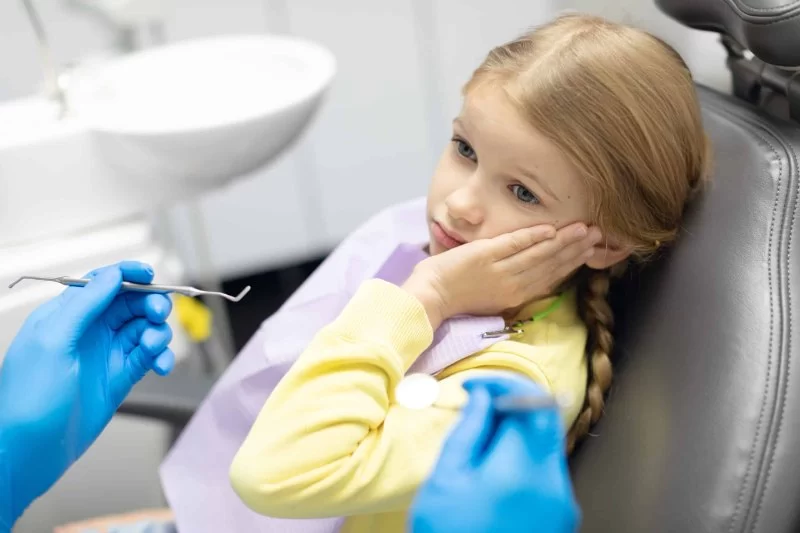
- What Is Tooth Sensitivity and Why Does It Occur in Kids?
- Signs and Symptoms of Tooth Sensitivity in Children
- Common Causes of Tooth Sensitivity in Kids
- How to Manage and Treat Tooth Sensitivity in Children
- When to Seek Professional Help for Tooth Sensitivity
1. What Is Tooth Sensitivity and Why Does It Occur in Kids?
Tooth sensitivity, or dentin hypersensitivity, is a common condition that affects people of all ages, including children. It occurs when the protective enamel on the teeth wears away, exposing the underlying dentin, which is more sensitive. This can lead to discomfort or pain when consuming hot, cold, sweet, or acidic foods and drinks.
As a parent, it's essential to recognize tooth sensitivity early in your child because it can significantly affect their quality of life. They may avoid eating certain foods or drinking cold beverages because of the discomfort. If you're noticing that your child is frequently wincing or complaining about tooth pain, especially with certain foods or temperatures, it could be a sign of tooth sensitivity.
2. Signs and Symptoms of Tooth Sensitivity in Children
When it comes to kids, identifying tooth sensitivity can sometimes be tricky, especially since they may not fully understand what’s causing their discomfort. Here are some of the most common signs and symptoms that may indicate your child is experiencing tooth sensitivity:
2.1 Complaints of Sharp Pain
Children with tooth sensitivity often complain about sharp, sudden pain when eating or drinking hot, cold, or sweet foods. If your child suddenly pulls away from a drink or food and mentions that their teeth hurt, this could be a sign of sensitivity.
2.2 Avoiding Certain Foods
Another sign to watch for is when your child starts avoiding certain foods or drinks. If they turn away from ice cream, refuse to drink cold water, or stop eating certain crunchy foods, this could be a sign that they’re experiencing tooth sensitivity.
2.3 Sensitivity to Temperature
Children with tooth sensitivity may express discomfort when their teeth come into contact with anything hot or cold. This includes food, drinks, or even cold air. If you notice your child flinching when they drink something cold or eat a hot meal, it’s likely due to tooth sensitivity.
3. Common Causes of Tooth Sensitivity in Kids
There are several factors that can cause tooth sensitivity in children. Understanding these causes can help you address the issue and take the necessary steps to alleviate the discomfort. Below are some of the most common causes:
3.1 Tooth Enamel Erosion
The enamel on your child’s teeth can wear down over time, especially if they consume a lot of sugary or acidic foods and drinks. When the enamel thins, the underlying dentin becomes exposed, leading to tooth sensitivity. Encouraging your child to brush and floss regularly, as well as limiting sugary foods, can help protect their enamel.
3.2 Gum Recession
If your child’s gums recede, it can expose the roots of their teeth, which are more sensitive than the enamel. Gum recession can be caused by brushing too aggressively or by certain dental conditions. It’s essential to ensure your child is brushing gently and using the right technique to avoid damaging their gums.
3.3 Cavities or Tooth Decay
Cavities are one of the leading causes of tooth sensitivity in children. If a cavity forms, it can affect the sensitive parts of the tooth, leading to pain. Regular dental check-ups are vital for detecting cavities early and preventing them from worsening.
4. How to Manage and Treat Tooth Sensitivity in Children
Managing tooth sensitivity in children requires a multi-step approach, including lifestyle changes, dietary adjustments, and professional treatments. Here are some practical tips to help your child manage tooth sensitivity:
4.1 Use Toothpaste for Sensitive Teeth
Specialized toothpaste for sensitive teeth can help reduce discomfort by blocking the pathways that lead to sensitive areas in the dentin. Look for toothpaste that contains fluoride and potassium nitrate, which can help strengthen enamel and reduce sensitivity over time.
4.2 Encourage Proper Brushing Techniques
Make sure your child is using a soft-bristled toothbrush and brushing with gentle pressure. Brushing too hard can wear down the enamel and cause gum recession, which can lead to sensitivity. Teach your child to use small, circular motions when brushing.
4.3 Limit Acidic and Sugary Foods
Foods and drinks that are high in acid or sugar can contribute to enamel erosion. To reduce the risk of tooth sensitivity, limit your child’s intake of sodas, citrus fruits, and sugary snacks. Encourage them to drink water after meals to help wash away food particles.
5. When to Seek Professional Help for Tooth Sensitivity
If your child’s tooth sensitivity persists despite taking preventive measures, it’s important to visit a dentist. A dentist can help identify the underlying cause and recommend appropriate treatments. In some cases, your child may need a fluoride treatment, a dental sealant, or other professional solutions to address the sensitivity.
It’s essential not to ignore persistent tooth sensitivity in children, as it can indicate more serious dental issues such as cavities or gum disease. Regular check-ups with a pediatric dentist can help catch these problems early, ensuring your child’s dental health is on track.
For more personalized advice and the best products for your child’s dental care, visit Family Dentistry Online to find the right solutions for your child’s needs.




 Growing Smiles of Englewood5.0 (213 review)
 All Star Orthodontics5.0 (566 review)
 Peter E. Ciampi, DDS5.0 (168 review)
 Heritage Grove Family Dental - Plainfield Dental Clinic4.0 (1397 review)
 Pediatric Dental Specialty Associates, Ltd.4.0 (70 review)
 Arizona Orthodontic Centers5.0 (1756 review)
 The Importance of Oral Health Education During Pregnancy for a Healthy Pregnancy
 Best Tips for Brushing Your Teeth Properly for Healthy Gums: Essential Techniques for Oral Health
 Why Skipping Dental Checkups Can Lead to Bigger Oral Health Problems
 Advantages of Porcelain Dental Restorations
 How Can Diabetes Cause Tooth and Gum Problems? Preventing and Managing Oral Health Issues
 Healthy Habits for Promoting Good Oral Health and Hygiene: Tips for a Healthy Smile