
In today's fast-paced world, stress has become a common companion in our daily routines. While it is widely known that stress can impact overall health, many are unaware of its significant effect on oral health. Dentistry Toothtruth explores the intricate relationship between stress and oral health, providing insights and actionable steps to help you manage stress for a healthier smile.
The Link Between Stress and Oral Health: Understanding the Connection
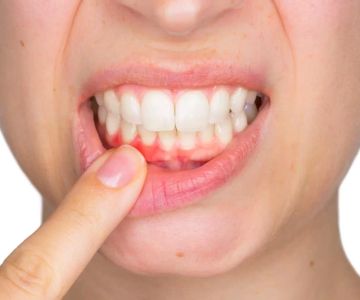
Stress triggers a cascade of physiological responses in the body, including changes in hormone levels, which can impact oral health. The hormone cortisol, often termed the "stress hormone," plays a pivotal role. Increased levels of cortisol can lead to inflammation and gum disease, significantly affecting oral health. Studies indicate that individuals experiencing chronic stress are more susceptible to periodontal disease due to the impaired immune response, allowing harmful bacteria to flourish in the mouth.
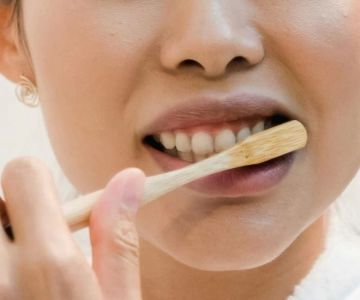
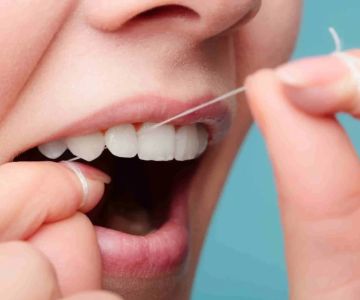
Moreover, stress can often result in poor oral hygiene habits. Feeling overwhelmed may lead to neglecting regular brushing and flossing, further exacerbating oral health issues. It’s essential to recognize these stress-induced changes and address them proactively to maintain optimal oral health.
Stress-Induced Behaviors That Harm Oral Health
Beyond physiological effects, stress influences behaviors that can harm oral health. A common manifestation is bruxism, or teeth grinding, often occurring unconsciously during sleep. This condition can lead to worn teeth, jaw pain, and even temporomandibular joint (TMJ) disorders. Identifying and addressing bruxism early is crucial to prevent long-term damage.
Other stress-related habits include nail-biting, smoking, and an increased intake of alcohol or sugary foods, each contributing to a host of oral health problems. These behaviors not only exacerbate existing oral health issues but can also introduce new concerns, such as enamel erosion and cavities.
Managing Stress for Better Oral Health
Effective stress management is key to safeguarding your oral health. Adopting healthy lifestyle changes can mitigate stress's impact and promote healthier habits. Regular physical activity, adequate sleep, and a balanced diet are foundational strategies. Incorporating mindfulness practices, such as meditation and deep-breathing exercises, can significantly reduce stress levels and their oral health implications.
Furthermore, establishing a routine for oral care can counteract the potential neglect of daily hygiene due to stress. Setting reminders for brushing and flossing, alongside using mouthwash, ensures thorough oral care even during hectic periods. Regular dental check-ups are also crucial for identifying stress-related oral health issues early on.
Professional Support: Dental Check-Ups and Stress Management
Regular visits to a dental professional are vital, especially for those experiencing heightened stress. Dentists can provide tailored advice and interventions to address specific oral health concerns related to stress. For instance, custom mouthguards may be recommended to prevent damage from bruxism.
Collaborating with healthcare professionals, such as counselors or therapists, can offer additional strategies for managing stress. Addressing the root causes of stress through professional support can ultimately lead to a healthier mind and body, reflecting positively in oral health.
Conclusion: Taking Action for Your Oral Health
In conclusion, stress can profoundly affect oral health through both direct physiological effects and indirect behaviors. Recognizing the signs and taking proactive steps to manage stress is crucial. By incorporating stress-reduction techniques, maintaining good oral hygiene, and seeking professional help, you can mitigate the adverse effects of stress on your oral health.
Visit Dentistry Toothtruth for more insights into maintaining healthy oral habits and managing stress effectively. Remember, a healthy body begins with a healthy mouth, and managing stress is an integral part of achieving this balance.


 Pediatric Dental Associates of Randolph4.0 (1772 review)
 Kwong Orthodontics4.0 (10 review)
 Family Orthodontics - Peachtree City4.0 (134 review)
 Richmond VA Dental Arts4.0 (181 review)
 Summit Fair Dental Care4.0 (792 review)
 Family Dental Care of Fitchburg4.0 (496 review)
 The Importance of Oral Health Education During Pregnancy for a Healthy Pregnancy
 Best Tips for Brushing Your Teeth Properly for Healthy Gums: Essential Techniques for Oral Health
 Why Skipping Dental Checkups Can Lead to Bigger Oral Health Problems
 Advantages of Porcelain Dental Restorations
 How Can Diabetes Cause Tooth and Gum Problems? Preventing and Managing Oral Health Issues
 Healthy Habits for Promoting Good Oral Health and Hygiene: Tips for a Healthy Smile