
How Smoking Affects Dental Hygiene: Impact on Oral Health and Tips for Prevention
- The Effects of Smoking on Dental Health
- Smoking and Gum Disease
- How Smoking Affects Your Teeth
- Oral Hygiene Tips for Smokers
- How Quitting Smoking Improves Your Oral Health
The Effects of Smoking on Dental Health
Smoking is not only harmful to your lungs and heart but also has a significant negative impact on your oral health. When you smoke, toxic chemicals from the tobacco get deposited in your mouth, which can lead to various dental problems. The most common effects of smoking on dental hygiene include:
- Stained Teeth: Smoking causes yellowing and staining of the teeth due to tar and nicotine. This discoloration can be stubborn and difficult to remove with regular brushing.
- Bad Breath: Smoking can lead to persistent bad breath, also known as smoker's breath, due to the chemicals in the tobacco.
- Dry Mouth: Smoking reduces saliva flow, which is important for keeping your mouth moist. A dry mouth increases the risk of cavities, gum disease, and other oral infections.
These are just a few of the visible and noticeable impacts of smoking on your dental health. The long-term effects can be even more serious and require dental intervention to prevent irreversible damage.
Smoking and Gum Disease
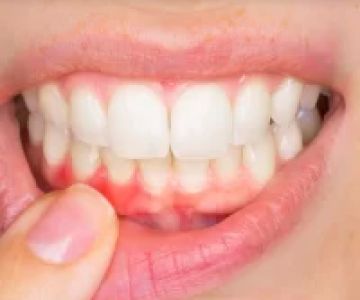
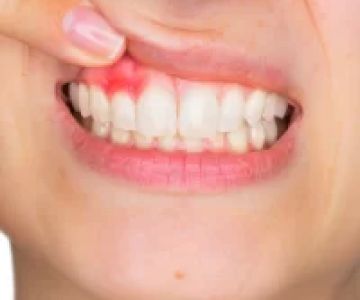
One of the most serious consequences of smoking on your oral health is its effect on your gums. Smoking impairs blood flow to the gums, which weakens the body’s ability to fight off infection. Here’s how smoking contributes to gum disease:
- Increased Plaque Build-up: Smoking promotes the accumulation of plaque and tartar on your teeth, which can lead to gingivitis (early gum disease). If left untreated, it can progress to periodontitis, a more severe form of gum disease.
- Delayed Healing: Smoking slows down the healing process, so if you have gum disease or undergo dental procedures, you may experience longer recovery times.
- Weakened Immune System: The chemicals in cigarettes weaken your immune system, making it more difficult for your body to fight the bacteria that cause gum disease.
Research shows that smokers are at a much higher risk of developing gum disease compared to non-smokers, and their chances of tooth loss are significantly increased.
How Smoking Affects Your Teeth
In addition to its impact on gums, smoking also has a profound effect on the teeth themselves. Here’s how:
- Cavities: Smoking reduces saliva production, and since saliva helps neutralize acids and wash away food particles, smokers are more susceptible to tooth decay and cavities.
- Tooth Loss: Smokers are more likely to experience tooth loss due to the combination of gum disease and decay. Smokers’ gums are more likely to recede, which can expose tooth roots and lead to tooth mobility or loss.
- Tooth Sensitivity: The buildup of tartar caused by smoking can cause gums to recede, which often results in sensitive teeth. This makes eating or drinking hot or cold foods painful.
The long-term effects of smoking on your teeth are often visible and permanent. In some cases, even professional dental cleanings may not fully reverse the damage caused by years of smoking.
Oral Hygiene Tips for Smokers
If you’re a smoker, it’s crucial to follow a more rigorous oral hygiene routine to mitigate the damage smoking causes to your teeth and gums. Here are some effective tips:
- Brush and Floss Regularly: Brush your teeth at least twice a day with fluoride toothpaste and floss daily to remove plaque that may accumulate around your gums.
- Use Mouthwash: Antiseptic mouthwashes can help kill bacteria and keep your breath fresh. Look for mouthwashes with fluoride to protect your teeth against cavities.
- Stay Hydrated: Drinking plenty of water helps stimulate saliva production and keeps your mouth moist. It can also help wash away food particles and bacteria.
- Regular Dental Checkups: Smokers should see their dentist more frequently for professional cleanings and checkups. Your dentist can help prevent gum disease, cavities, and other oral health issues.
By adopting these habits, smokers can improve their oral hygiene and reduce the risk of serious dental health issues.
How Quitting Smoking Improves Your Oral Health
The best way to prevent the negative effects of smoking on your dental hygiene is to quit smoking altogether. Here's how quitting smoking can benefit your oral health:
- Healthier Gums: Quitting smoking improves blood flow to your gums, reducing your risk of gum disease and making it easier for your body to fight off infections.
- Fresher Breath: Without the harmful chemicals from tobacco, your breath will smell fresher, and you’ll be less prone to bad breath caused by smoking.
- Whiter Teeth: Over time, your teeth will become less stained, and the discoloration caused by smoking will fade away.
- Better Healing: If you undergo any dental procedures or treatments, quitting smoking will speed up your recovery process.
Quitting smoking is one of the best things you can do for your oral health. Not only will it reduce your risk of gum disease and tooth loss, but it will also improve your overall quality of life. If you're looking to quit, there are many resources and programs available to help you on your journey.
To take control of your dental health and fight the negative effects of smoking, it's essential to prioritize your oral hygiene and seek professional dental care. For more information and tips on maintaining healthy teeth and gums, visit Dentistry Toothtruth for expert advice and recommendations on dental products and treatments.


 Nice Dental Care4.0 (24 review)
 Smile Reef Pediatric Dentistry5.0 (10 review)
 Surya P. Dhakar DDS, PC4.0 (250 review)
 Highland Dental Clinic: Dr. Robert Klein5.0 (7 review)
 McCartin Christopher DMD5.0 (118 review)
 Craig Q Adams, DMD5.0 (55 review)
 The Importance of Oral Health Education During Pregnancy for a Healthy Pregnancy
 Best Tips for Brushing Your Teeth Properly for Healthy Gums: Essential Techniques for Oral Health
 Why Skipping Dental Checkups Can Lead to Bigger Oral Health Problems
 Advantages of Porcelain Dental Restorations
 How Can Diabetes Cause Tooth and Gum Problems? Preventing and Managing Oral Health Issues
 Healthy Habits for Promoting Good Oral Health and Hygiene: Tips for a Healthy Smile