
How Often Should You Replace Your Dental Floss? Essential Tips for Optimal Oral Health
- 1. The Importance of Dental Floss in Oral Health
- 2. How Dental Floss Works and Why It’s Important
- 3. How Often Should You Replace Your Dental Floss?
- 4. Signs It's Time to Replace Your Dental Floss
- 5. Tips for Effective Flossing
- 6. Choosing the Right Floss for Your Oral Care
1. The Importance of Dental Floss in Oral Health
When I first started taking my oral hygiene seriously, I was surprised to learn how essential flossing is to maintaining healthy teeth and gums. Dental floss is often a forgotten tool in the bathroom cabinet, but it plays a vital role in preventing cavities and gum disease by reaching areas that a toothbrush can’t. I can’t count how many times I’ve seen patients with plaque buildup between their teeth, simply because they didn’t floss. The key to preventing tooth decay and gum disease is flossing consistently, but there’s one question that always pops up: how often should you replace your dental floss?
2. How Dental Floss Works and Why It’s Important
Flossing works by cleaning the tight spaces between your teeth and along the gumline, places where your toothbrush bristles can’t reach. If you’ve ever tried flossing after a meal, you’ve probably noticed how much food can get stuck between your teeth. Dental floss is designed to slide between the teeth and remove debris, plaque, and bacteria, which reduces the chances of cavities and gum inflammation. I’ve seen firsthand how flossing can significantly reduce plaque buildup and improve overall gum health, especially when paired with brushing and regular dentist visits.
3. How Often Should You Replace Your Dental Floss?
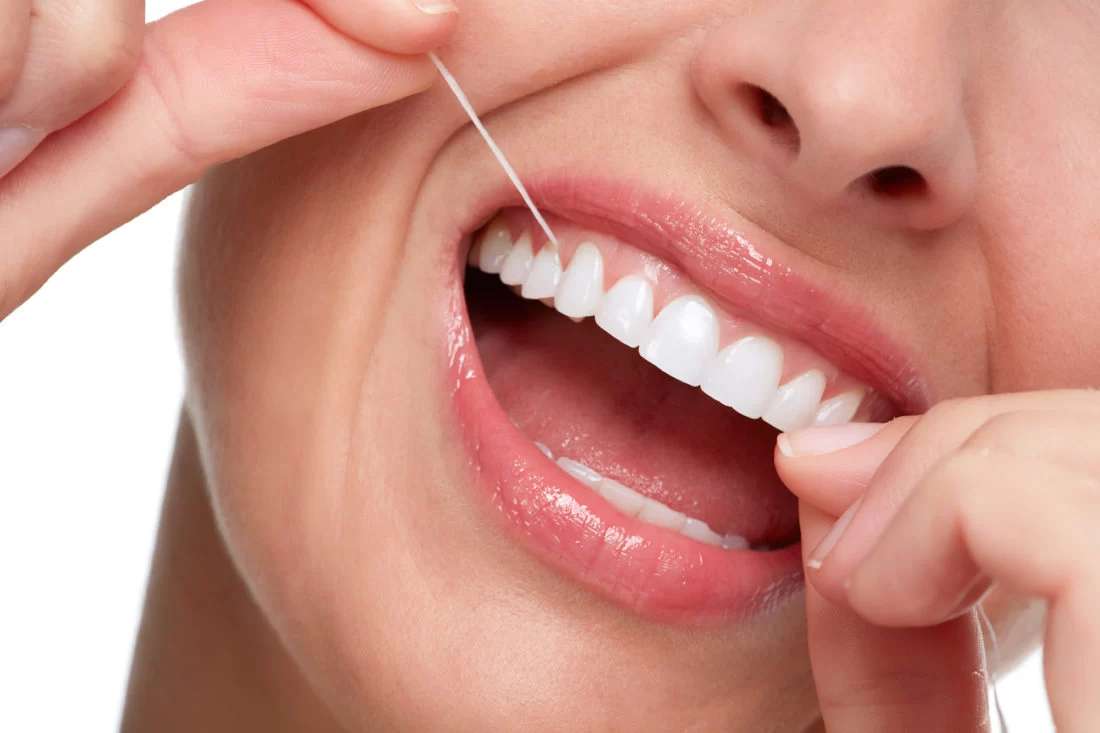
This is a question I often get, and the answer isn’t as straightforward as it might seem. Most people are surprised to learn that it’s not about replacing the actual spool of floss but rather replacing the length of floss you’re using for each session. Dental floss doesn’t last forever, and it’s important to understand when to discard it. I recommend using a fresh piece of floss each time you floss your teeth. Typically, a piece of floss should be about 18 inches long, which is enough to wrap around your fingers and glide between your teeth effectively.
When it comes to replacing your floss spool, it depends on how frequently you floss. If you floss daily (which is highly recommended), a typical spool of dental floss should last about one to two months. However, if you notice that the floss is fraying or losing its strength, it’s a sign that it’s time to toss it and replace it with a new one. Keeping track of the condition of your floss ensures you’re using it efficiently and that it’s providing the maximum benefit for your oral health.
4. Signs It’s Time to Replace Your Dental Floss
One of the most important things I’ve learned is that a lot of people overlook the condition of their floss. Here are a few signs that it’s time to replace your dental floss:
4.1. Fraying or Breaking
If your floss is fraying or breaking as you use it, it’s definitely time to replace it. Frayed floss doesn’t work as effectively to remove plaque or debris. I’ve found that using frayed floss can be frustrating and less efficient, so switching it out for a new piece makes the process smoother and more effective.
4.2. Loss of Flexibility
Dental floss should be flexible enough to slide between your teeth easily. If it becomes stiff or hard to use, that’s a clear sign it’s time to replace it. I’ve had a piece of floss lose its elasticity before, and I noticed it was harder to maneuver around the curves of my teeth, making it less effective.
4.3. Inconsistent Cleaning
If you notice that your floss isn’t removing plaque as effectively as it used to, or if it’s leaving debris behind, it may no longer be as effective. This could be due to the floss becoming worn out and less able to grab the particles between your teeth. Replacing the floss can restore its effectiveness and ensure you’re getting the best possible clean.
5. Tips for Effective Flossing
Flossing is an essential part of any oral care routine, but it’s important to do it correctly to get the most benefit. Over the years, I’ve picked up some tips that have made my flossing routine more effective and efficient:
5.1. Use the Right Amount of Floss
One mistake I used to make was using too little floss. I found that around 18 inches of floss works best for me, and I wrap it around my fingers to give me enough control. This allows me to get a good grip on the floss and clean thoroughly between each tooth.
5.2. Be Gentle
Flossing too aggressively can cause your gums to bleed or become irritated. I learned to use gentle, up-and-down motions to slide the floss between my teeth without snapping it. This minimizes gum irritation while still removing plaque effectively.
5.3. Don’t Forget the Back Teeth
It’s easy to focus on the front teeth, but the back teeth are just as important. I always make sure to floss all the way to the back, where plaque can easily build up. If I ever skip this step, I notice that I’m more prone to cavities or gum issues in those areas.
6. Choosing the Right Floss for Your Oral Care
Not all dental floss is created equal. Depending on your oral health needs, choosing the right type of floss is crucial. I’ve tried various types over the years, including waxed, unwaxed, and floss picks. Here’s what I’ve found:
6.1. Waxed vs. Unwaxed Floss
Waxed floss slides more easily between teeth, making it a great option for people with tight spaces. I’ve found it particularly useful if I have a lot of dental work, like crowns or bridges. Unwaxed floss, on the other hand, provides a more thorough clean but can be a bit more challenging to maneuver.
6.2. Floss Picks and Other Alternatives
If you’re on the go or have difficulty using traditional floss, floss picks can be a great alternative. I’ve used them in a pinch, and they work well, especially for people with limited dexterity or mobility issues. However, I still recommend using regular floss for a more thorough clean whenever possible.
Whether you're a dental floss pro or just starting to take your oral hygiene seriously, replacing your floss regularly and using the right techniques can make a huge difference in your dental health. If you're looking for high-quality floss or need more oral care tips, visit Dentistry Toothtruth to learn more and shop for the best dental products for your needs.






 AV Dental Associates of Ramsey LLC5.0 (57 review)
 Westbury Dental Spa4.0 (376 review)
 Maui Whitening Orlando4.0 (32 review)
 Lakewood Smile Dental4.0 (102 review)
 West Covina Dental Group and Orthodontics4.0 (274 review)
 Dental Smiles of West Chicago4.0 (124 review)
 The Importance of Oral Health Education During Pregnancy for a Healthy Pregnancy
 Best Tips for Brushing Your Teeth Properly for Healthy Gums: Essential Techniques for Oral Health
 Why Skipping Dental Checkups Can Lead to Bigger Oral Health Problems
 Advantages of Porcelain Dental Restorations
 How Can Diabetes Cause Tooth and Gum Problems? Preventing and Managing Oral Health Issues
 Healthy Habits for Promoting Good Oral Health and Hygiene: Tips for a Healthy Smile