
How Much Oral Disease Is Preventable with Proper Care
When it comes to oral health, one of the most pressing questions people ask is: how much oral disease is preventable? Studies show that a significant majority—up to 80% of common dental problems—can be avoided with the right preventive strategies. While genetics and certain medical conditions can play a role, the reality is that daily habits and professional care are the biggest factors in determining whether or not a person develops oral disease.
1. The Role of Daily Habits in Prevention
Brushing and flossing as first-line defense
Tooth decay and gum disease begin with plaque, a sticky film of bacteria that forms on teeth. Brushing twice a day and flossing once daily removes much of this harmful buildup. People who adopt these habits consistently reduce their risk of cavities and gingivitis dramatically. Oral diseases thrive in neglected environments, making preventive care the most effective shield.
Nutrition and its impact
Diets high in sugar and acidic foods accelerate enamel breakdown and gum inflammation. On the other hand, balanced diets rich in calcium, vitamin D, and fiber help strengthen teeth and gums. Choosing water over sugary drinks is another simple but powerful preventive measure. These daily choices make a huge difference in how much oral disease is preventable.
2. Professional Care as a Game Changer
The importance of regular dental visits
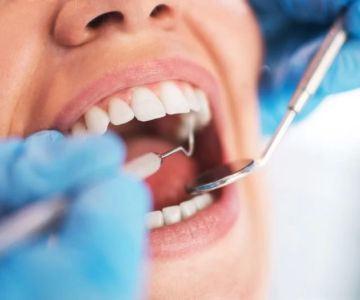
Even the most disciplined brushing and flossing routines cannot remove tartar once it forms. Professional cleanings at a dentist’s office ensure buildup is eliminated before it can cause irreversible harm. Regular checkups also help detect early signs of gum disease and cavities, which can often be reversed when caught early.
Preventive treatments beyond cleaning
Dentists often recommend fluoride treatments or sealants, especially for children, to protect against tooth decay. These preventive measures can reduce the risk of cavities by as much as 80% in some cases. Preventive dentistry is not just about treatment—it’s about eliminating risks before they become major health concerns.
3. Real-Life Examples of Preventable Oral Disease
Case story: Avoiding advanced gum disease
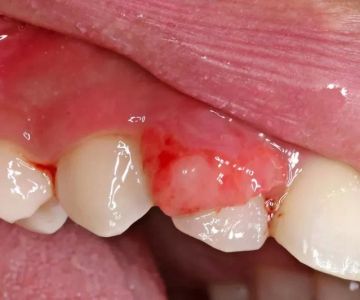
A young professional ignored mild gum bleeding for years, assuming it was normal. Eventually, the condition progressed into periodontitis, requiring costly deep cleaning and ongoing maintenance. Had this patient sought dental care early, the disease could have been completely prevented. This shows how small problems, if ignored, can escalate into irreversible conditions.
Case story: Turning around poor habits
Another patient, a teenager with a high-sugar diet, developed multiple cavities. After lifestyle changes, fluoride treatments, and professional cleanings, their oral health improved dramatically. This story proves that even when damage has begun, prevention and correction can save teeth from further decay.
4. The Hidden Costs of Neglecting Prevention
Financial costs
Treating advanced oral diseases is far more expensive than preventive care. A simple cleaning costs far less than a root canal or crown. The financial burden of neglect reinforces why preventive care is not just about health, but also about protecting one’s wallet.
Overall health risks
Oral health is closely linked to systemic conditions such as diabetes, heart disease, and respiratory problems. Poor hygiene allows bacteria to enter the bloodstream, leading to health complications that could have been avoided. This makes oral prevention a key component of whole-body wellness.
5. How Much Oral Disease Is Truly Preventable?
Experts estimate that most cases of tooth decay, gum disease, and even tooth loss are preventable with early and consistent care. While no one can prevent every condition—genetics and other health factors play a role—the majority of common oral health problems stem from preventable causes. That means with proper daily hygiene, professional visits, and healthy lifestyle choices, you can significantly reduce your risk.
6. Taking the Next Step Toward Prevention
Preventing oral disease is within your control. With consistent habits, professional care, and the right lifestyle choices, you can avoid most oral health issues. At Family Dentistry Online, you can explore trusted recommendations for preventive services that keep your smile healthy for life. Choosing prevention today means avoiding pain, expense, and complications tomorrow.

 The Implant Center at Comprehensive Dental4.0 (421 review)
 Modern Dentistry Of Peoria4.0 (563 review)
 Advanced Family Dental & Orthodontics4.0 (216 review)
 Todays Dental Of Joliet (formerly Hammes Family Dental)4.0 (130 review)
 Kevin B. Sands, DDS5.0 (168 review)
 Kids Dental Land4.0 (602 review)
 The Importance of Oral Health Education During Pregnancy for a Healthy Pregnancy
 Best Tips for Brushing Your Teeth Properly for Healthy Gums: Essential Techniques for Oral Health
 Why Skipping Dental Checkups Can Lead to Bigger Oral Health Problems
 Advantages of Porcelain Dental Restorations
 How Can Diabetes Cause Tooth and Gum Problems? Preventing and Managing Oral Health Issues
 Healthy Habits for Promoting Good Oral Health and Hygiene: Tips for a Healthy Smile