
The Global Scope of Oral Diseases
Oral diseases are among the most common non-communicable diseases worldwide, affecting billions of people across all age groups. According to global health studies, approximately 3.5 billion people suffer from oral diseases, which range from dental caries (tooth decay) and periodontal (gum) disease to oral cancers and tooth loss.
This widespread prevalence makes oral health a critical public health issue, with implications far beyond the mouth. In the United States alone, nearly half of adults over 30 experience some form of gum disease, highlighting the pervasive nature of oral health challenges even in developed countries.
Types of Oral Diseases and Their Impact
Oral diseases vary widely but share common risk factors such as poor oral hygiene, unhealthy diet, tobacco use, and limited access to dental care. Understanding these diseases helps explain why so many people worldwide are affected.
1. Dental Caries (Tooth Decay)
Dental caries is the most prevalent chronic disease globally. It affects children and adults alike and is caused by the breakdown of tooth enamel due to acids produced by bacteria feeding on sugars in the mouth.
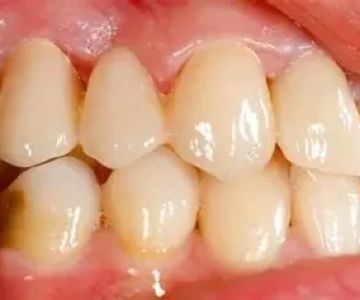
The consequences include pain, infection, and if untreated, tooth loss. In low- and middle-income countries, lack of affordable dental treatment exacerbates these outcomes.
2. Periodontal (Gum) Disease
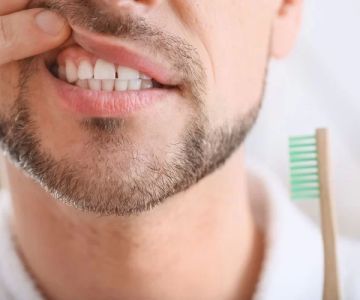
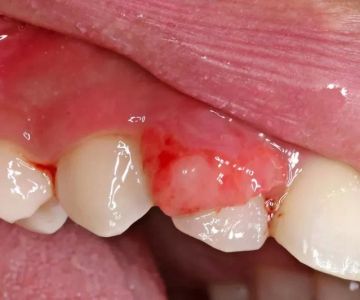
Gum disease affects the tissues surrounding the teeth, leading to inflammation, bleeding, and in severe cases, tooth loss. It is often silent in early stages, which delays diagnosis and treatment.
In the US, periodontal disease is linked to systemic conditions like diabetes and cardiovascular disease, underscoring its wider health impact.
3. Oral Cancers
Oral cancers represent a smaller yet significant portion of oral diseases. Risk factors include tobacco use, alcohol consumption, and HPV infections. Early detection is crucial for improving survival rates.
Why Oral Diseases Are So Common
The high prevalence of oral diseases is influenced by multiple factors:
4. Access to Care and Socioeconomic Barriers
In many parts of the world, including underserved communities in the US, access to affordable dental care is limited. This leads to delayed treatment and progression of disease.
5. Lifestyle and Behavioral Factors
Diets high in sugar, tobacco use, and inadequate oral hygiene contribute heavily to the global burden of oral disease. Public health efforts aim to address these risk behaviors but challenges remain.
6. Lack of Awareness
Many people underestimate the importance of oral health or are unaware of proper preventive practices. This lack of knowledge contributes to neglect and worsening conditions.
Stories Highlighting the Human Impact
Jessica, a mother from Ohio, struggled with chronic gum disease due to inconsistent dental visits caused by insurance gaps. After attending a community health workshop, she learned the importance of daily oral hygiene and scheduled regular dental care. Her story is a powerful reminder that education and access can dramatically improve outcomes.
Similarly, Carlos, a young man in Texas, suffered from severe tooth decay linked to a high-sugar diet and lack of awareness. With support from his dentist, he changed his habits and underwent restorative treatments, transforming his oral health and confidence.
Preventing and Managing Oral Diseases
Despite their prevalence, many oral diseases are preventable and manageable with the right strategies:
7. Daily Oral Hygiene
Regular brushing with fluoride toothpaste and flossing remain the cornerstone of oral disease prevention.
8. Routine Dental Checkups
Professional cleanings and early detection can prevent minor issues from becoming severe problems.
9. Healthy Lifestyle Choices
Reducing sugar intake, avoiding tobacco, and maintaining a balanced diet support oral and overall health.
How the United States Addresses Oral Disease
The US has made strides in reducing the burden of oral diseases through public health campaigns, fluoridation of water supplies, and expanding dental coverage for vulnerable populations. However, disparities persist, particularly in rural and low-income areas.
Organizations like Dentistry Toothtruth play a vital role by offering tailored dental services and raising awareness about oral health importance, helping Americans take proactive steps towards healthier smiles.
10. Looking Ahead: The Future of Oral Health
Innovations in dental care technology, increased emphasis on prevention, and integrated healthcare approaches promise to reduce the global impact of oral diseases. Encouragingly, global and national efforts continue to prioritize oral health as a key component of overall well-being.
Individuals empowered with knowledge and access to quality care can significantly alter the statistics of oral disease worldwide.


 St Charles Family Dentistry4.0 (329 review)
 Community Health Center of Snohomish County - Everett-North Clinic4.0 (960 review)
 West Coast Dental of Van Nuys4.0 (318 review)
 Community Health Care Hilltop Family Dental Clinic3.0 (188 review)
 Canaan Dental4.0 (140 review)
 Mountain View Advanced Dental4.0 (187 review)
 The Importance of Oral Health Education During Pregnancy for a Healthy Pregnancy
 Best Tips for Brushing Your Teeth Properly for Healthy Gums: Essential Techniques for Oral Health
 Why Skipping Dental Checkups Can Lead to Bigger Oral Health Problems
 Advantages of Porcelain Dental Restorations
 How Can Diabetes Cause Tooth and Gum Problems? Preventing and Managing Oral Health Issues
 Healthy Habits for Promoting Good Oral Health and Hygiene: Tips for a Healthy Smile