
1 - The Impact of Oral Health on Overall Health
When it comes to overall health, we often think of exercise, diet, and sleep as the main factors that influence our well-being. However, oral health plays a crucial role in maintaining good health, and poor oral hygiene can lead to a variety of chronic diseases. Many people may not realize the connection between their teeth and gums and their long-term health, but the truth is that the state of your mouth can have far-reaching consequences for your body. In this article, we will explore how chronic diseases are linked to poor oral health and why maintaining good oral hygiene is essential for your overall well-being.
2 - The Link Between Poor Oral Health and Chronic Diseases
Poor oral hygiene can lead to more than just cavities and bad breath. In fact, the bacteria and inflammation caused by dental issues can contribute to the development of several chronic diseases, including heart disease, diabetes, and respiratory infections. But how exactly does oral health influence these conditions? Let’s take a closer look at some of the most common chronic diseases associated with poor oral health.
2.1 - Heart Disease and Oral Health
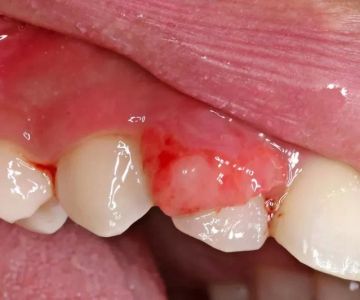
One of the most significant connections between oral health and chronic diseases is the link between gum disease (periodontitis) and heart disease. Research has shown that people with gum disease are at an increased risk of developing heart disease. The reason for this is that the inflammation caused by gum disease can spread to other parts of the body, including the heart. This can lead to the development of atherosclerosis, a condition where plaque builds up in the arteries, leading to heart attacks and strokes. Inflammation in the gums can also lead to an increase in blood pressure, further increasing the risk of heart disease.
2.2 - Diabetes and Oral Health
Another chronic disease linked to poor oral health is diabetes. People with diabetes are more susceptible to gum disease because high blood sugar levels can weaken the body’s ability to fight infections, including those in the mouth. In turn, gum disease can make it harder to control blood sugar levels. The inflammation from gum disease can interfere with insulin's ability to regulate blood sugar, making diabetes harder to manage. This creates a vicious cycle, where poor oral health exacerbates the symptoms of diabetes, and uncontrolled diabetes worsens oral health.
2.3 - Respiratory Infections
Did you know that poor oral health can also increase your risk of respiratory infections? The bacteria from the mouth can enter the lungs when you breathe, leading to infections such as pneumonia and bronchitis. This is particularly concerning for individuals who are already at risk for respiratory issues, such as the elderly or those with weakened immune systems. Studies have shown that people with gum disease are more likely to develop respiratory infections because the bacteria in the mouth can travel to the lungs and cause inflammation.
2.4 - Stroke Risk
Research has also found a connection between gum disease and an increased risk of stroke. The inflammation caused by gum disease can contribute to the formation of blood clots, which can then travel to the brain and block blood flow, causing a stroke. This is particularly concerning for people who already have other risk factors for stroke, such as high blood pressure or a family history of stroke. Maintaining good oral hygiene is an essential step in reducing your risk of stroke.
3 - The Science Behind Oral Health and Chronic Diseases
The relationship between oral health and chronic diseases is complex, but it can be explained through the concept of inflammation. Poor oral hygiene leads to the buildup of plaque and bacteria in the mouth, which can cause inflammation in the gums (gingivitis). If left untreated, this inflammation can spread to other parts of the body, triggering a systemic inflammatory response. Chronic inflammation has been linked to the development and progression of various diseases, including heart disease, diabetes, and stroke.
In addition to inflammation, bacteria from the mouth can enter the bloodstream through the gums and travel to other organs, including the heart and kidneys. This can lead to infections or exacerbate pre-existing conditions, contributing to the development of chronic diseases. Oral health is, therefore, a critical aspect of overall health that should not be overlooked.
4 - How to Improve Oral Health and Prevent Chronic Diseases
The good news is that improving your oral health can significantly reduce your risk of developing chronic diseases. Here are some steps you can take to maintain good oral hygiene and protect your overall health:
4.1 - Brush and Floss Regularly
Brushing your teeth twice a day with fluoride toothpaste and flossing daily are the most basic and essential steps in maintaining good oral hygiene. Brushing helps remove plaque and bacteria from your teeth, while flossing ensures that the spaces between your teeth are clean and free of debris. These simple habits can go a long way in preventing gum disease and the associated risks of chronic diseases.
4.2 - Visit Your Dentist Regularly
Regular dental check-ups are essential for maintaining good oral health. Your dentist can spot early signs of gum disease, cavities, or other oral health issues before they become more serious. Professional cleanings every six months are also important for removing plaque buildup that can’t be removed with regular brushing and flossing.
4.3 - Eat a Balanced Diet
What you eat plays a significant role in your oral health. A balanced diet rich in fruits, vegetables, whole grains, and lean proteins can help strengthen your teeth and gums. Avoid sugary foods and drinks, which can contribute to plaque buildup and tooth decay. Drinking plenty of water also helps rinse away food particles and bacteria in the mouth.
4.4 - Quit Smoking
Smoking is a major risk factor for gum disease and other oral health issues. It also weakens the immune system, making it harder for the body to fight off infections. If you smoke, quitting is one of the best things you can do for both your oral and overall health.
5 - Conclusion: The Importance of Oral Health in Preventing Chronic Diseases
Oral health is much more than just having a bright smile—it plays a crucial role in preventing chronic diseases and maintaining overall health. By practicing good oral hygiene, visiting your dentist regularly, and making healthy lifestyle choices, you can reduce your risk of developing serious health conditions like heart disease, diabetes, and stroke. Remember, your mouth is the gateway to your body, so take care of it, and it will take care of you.
For more tips on maintaining your oral health, visit Family Dentistry Online for expert advice and services.




 Dental Depot4.0 (308 review)
 Nevada Dentistry & Braces4.0 (573 review)
 Rollo Family Dentistry5.0 (6 review)
 Above & Beyond Dentistry & Implants4.0 (540 review)
 Cash Family Orthodontics4.0 (141 review)
 Dental Radiance3.0 (10 review)
 The Importance of Oral Health Education During Pregnancy for a Healthy Pregnancy
 Best Tips for Brushing Your Teeth Properly for Healthy Gums: Essential Techniques for Oral Health
 Why Skipping Dental Checkups Can Lead to Bigger Oral Health Problems
 Advantages of Porcelain Dental Restorations
 How Can Diabetes Cause Tooth and Gum Problems? Preventing and Managing Oral Health Issues
 Healthy Habits for Promoting Good Oral Health and Hygiene: Tips for a Healthy Smile