
How Long Does Teeth Whitening Last? Factors That Affect Results
- 1. Understanding Teeth Whitening
- 2. Factors That Affect Teeth Whitening Duration
- 3. Professional vs. At-Home Teeth Whitening
- 4. How to Maintain Your Teeth Whitening Results
- 5. Real-Life Experiences: How Long Teeth Whitening Lasts for Different People
- 6. When to Reapply Teeth Whitening
- 7. Conclusion: Achieving Long-Lasting Results
1. Understanding Teeth Whitening
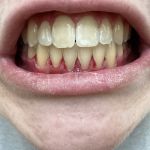
Teeth whitening is a cosmetic dental treatment designed to lighten the color of your teeth, removing stains and discoloration. There are different methods available, ranging from over-the-counter whitening products to professional treatments performed by dentists. The effectiveness and longevity of the results depend on various factors, including the method used, your oral care routine, and lifestyle habits.
2. Factors That Affect Teeth Whitening Duration
Several factors influence how long teeth whitening lasts. These include:
- Type of Whitening Treatment: Professional whitening treatments typically provide longer-lasting results compared to over-the-counter options.
- Diet and Lifestyle: Consumption of staining foods and beverages like coffee, tea, and red wine can shorten the duration of your whitening results.
- Oral Hygiene Habits: Brushing and flossing regularly can help prolong the effects of teeth whitening by keeping your teeth clean and free from plaque.
- Natural Tooth Shade: Some individuals may notice that their teeth tend to return to their natural color more quickly, depending on how porous the enamel is.
3. Professional vs. At-Home Teeth Whitening
There are key differences between professional and at-home whitening treatments:
- Professional Whitening: Performed by a dentist, this method uses stronger bleaching agents and is customized to your specific needs. Results from professional whitening typically last longer, ranging from several months to even a year, depending on your habits.
- At-Home Whitening: Over-the-counter products such as whitening strips, gels, or trays can be effective but often require more frequent application. Results usually last a few weeks to a few months, depending on how well you follow the instructions and your lifestyle choices.
4. How to Maintain Your Teeth Whitening Results
To keep your teeth white for as long as possible, follow these tips:
- Avoid Staining Foods: Limit your intake of foods and drinks that can stain your teeth, such as coffee, tea, berries, and tobacco products.
- Brush After Eating: Brushing your teeth after meals helps remove any food particles or stains that could affect your whitening results.
- Use a Straw: Drinking beverages like coffee or soda through a straw can help minimize contact with your teeth and reduce staining.
- Regular Dental Cleanings: Professional cleanings at the dentist can help remove plaque buildup and maintain a bright smile.
5. Real-Life Experiences: How Long Teeth Whitening Lasts for Different People
Real-life experiences with teeth whitening can vary widely. For example, Jane, who had professional whitening done at her dentist, reported that her teeth stayed bright for about 10 months before she noticed any fading. On the other hand, Mike, who used over-the-counter strips, found that his results faded within a few weeks, especially after a few cups of coffee each day. These examples show how individual habits and treatments can significantly affect the longevity of whitening results.
6. When to Reapply Teeth Whitening
Reapplication depends on how long the effects of the treatment last and how well you maintain your oral hygiene. Professional treatments generally last longer, and you may only need to touch up once every 6–12 months. For at-home treatments, reapplying every 1-3 months may be necessary, depending on your lifestyle and diet. If you notice your teeth beginning to lose their brightness, it may be time for a touch-up treatment.
7. Conclusion: Achieving Long-Lasting Results
Teeth whitening can provide you with a brighter smile, but how long the results last depends on a variety of factors, including the treatment used, your diet, and how well you care for your teeth afterward. Whether you opt for professional whitening or at-home solutions, understanding the factors that influence longevity will help you make the most of your treatment. To get more information on teeth whitening and explore the best products for long-lasting results, visit Dentistry Toothtruth for expert advice and top-quality whitening solutions. Click here to learn more and check out our latest products.






 Fair Lawn Periodontics & Dental Implants4.0 (191 review)
 Periodontology Inc.4.0 (168 review)
 Dr. James L. Pelletier4.0 (79 review)
 Today's Dental MN3.0 (168 review)
 123 Smile Dental Care4.0 (42 review)
 Red Oak Dentistry: Dr. Michael King4.0 (74 review)
 The Importance of Oral Health Education During Pregnancy for a Healthy Pregnancy
 Best Tips for Brushing Your Teeth Properly for Healthy Gums: Essential Techniques for Oral Health
 Why Skipping Dental Checkups Can Lead to Bigger Oral Health Problems
 Advantages of Porcelain Dental Restorations
 How Can Diabetes Cause Tooth and Gum Problems? Preventing and Managing Oral Health Issues
 Healthy Habits for Promoting Good Oral Health and Hygiene: Tips for a Healthy Smile