
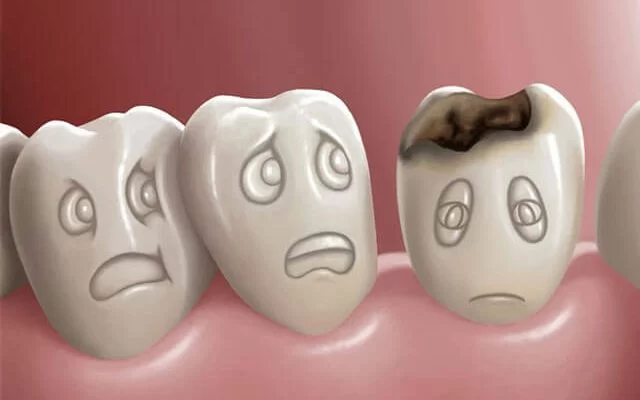
How Long Does It Take for Tooth Decay to Progress?
- What is Tooth Decay?
- How Does Tooth Decay Progress?
- Factors That Affect the Progression of Tooth Decay
- Stages of Tooth Decay: What You Need to Know
- How to Prevent Tooth Decay from Progressing
What is Tooth Decay?
Tooth decay, also known as dental caries or cavities, is the process by which the tooth enamel breaks down due to the presence of acids produced by bacteria. These bacteria feed on sugars in the food we consume, creating acids that gradually erode the tooth's surface. Over time, this can lead to significant damage to the tooth, affecting not only the enamel but also the underlying layers of the tooth, which can result in pain, infection, and even tooth loss if left untreated.
It's essential to understand how tooth decay develops and progresses in order to recognize the signs early and seek appropriate treatment to prevent further damage.
How Does Tooth Decay Progress?
The progression of tooth decay varies from person to person, depending on a number of factors including oral hygiene, diet, and genetics. Generally, tooth decay starts slowly and may not show symptoms initially. However, if left untreated, it can escalate from a minor issue to a serious dental problem.
Initial Stage: Demineralization
In the early stages of tooth decay, the enamel begins to lose minerals due to the acids produced by bacteria. This stage may not be noticeable unless your dentist observes it during a routine exam. The enamel starts to demineralize, leading to white spots on the tooth surface.
Advanced Stage: Cavities
If the demineralization continues, it can eventually lead to the formation of cavities. Cavities are holes in the enamel that may start to cause sensitivity or discomfort when consuming hot, cold, or sweet foods. At this point, the decay has reached deeper layers of the tooth.
Severe Stage: Infection and Abscess
If left untreated, tooth decay can penetrate deeper into the tooth, reaching the pulp (the soft tissue inside the tooth containing nerves and blood vessels). This can lead to severe pain, swelling, and infection, resulting in an abscess. An abscessed tooth often requires root canal therapy or extraction if the damage is too severe.
Factors That Affect the Progression of Tooth Decay
1. Diet and Sugar Intake
The foods and beverages you consume play a major role in the development of tooth decay. Sugary foods and drinks create an environment in which bacteria thrive, leading to more acid production. A diet high in sugar can accelerate the rate of tooth decay progression.
2. Oral Hygiene Habits
Good oral hygiene is crucial in preventing the buildup of plaque and bacteria that cause tooth decay. Brushing and flossing regularly help remove food particles and plaque that can contribute to tooth decay. Neglecting your oral hygiene routine can allow plaque to accumulate, leading to faster decay.
3. Genetics
Your genetic makeup can also affect how quickly tooth decay progresses. Some people may have enamel that is naturally stronger and more resistant to decay, while others may be more prone to cavities due to inherited factors.
Stages of Tooth Decay: What You Need to Know
Stage 1: Initial Damage to Enamel
At this stage, there is no visible cavity, but the enamel begins to demineralize, leading to white spots on the tooth. This early stage is reversible if treated with fluoride or other remineralization treatments.
Stage 2: Formation of a Cavity
Once a cavity forms, it is no longer reversible. At this point, a dentist will need to remove the decayed portion of the tooth and fill the cavity to prevent further damage.
Stage 3: Deeper Decay and Infection
If the decay reaches the tooth’s pulp, infection may occur, and an abscess can form. This stage often requires more invasive treatment, such as a root canal or extraction.
How to Prevent Tooth Decay from Progressing
1. Practice Good Oral Hygiene
Brushing your teeth at least twice a day with fluoride toothpaste and flossing daily helps remove plaque and prevent cavities. Regular dental checkups can also help catch early signs of decay before they progress.
2. Avoid Excess Sugar
Limiting sugary snacks and drinks reduces the food supply for decay-causing bacteria. Choose healthier snacks like fruits, vegetables, and nuts to maintain your oral health.
3. Fluoride Treatments
Fluoride helps remineralize tooth enamel and can reverse the early stages of decay. Fluoride treatments provided by your dentist can also strengthen your teeth against future decay.
4. Sealants for Added Protection
Dental sealants are thin protective coatings applied to the chewing surfaces of back teeth. They can help prevent cavities, especially in children and teenagers.






 Metro Smiles Gage Park2.0 (36 review)
 Aubin Orthodontics4.0 (38 review)
 Acosta Dental Care4.0 (47 review)
 Cicero Dental Center4.0 (222 review)
 Precision Dental Partners4.0 (41 review)
 Canton Orthodontics4.0 (117 review)
 The Importance of Oral Health Education During Pregnancy for a Healthy Pregnancy
 Best Tips for Brushing Your Teeth Properly for Healthy Gums: Essential Techniques for Oral Health
 Why Skipping Dental Checkups Can Lead to Bigger Oral Health Problems
 Advantages of Porcelain Dental Restorations
 How Can Diabetes Cause Tooth and Gum Problems? Preventing and Managing Oral Health Issues
 Healthy Habits for Promoting Good Oral Health and Hygiene: Tips for a Healthy Smile