
How Long Do Dental Crowns Last? Comprehensive Guide to Longevity
- Introduction to Dental Crowns
- Factors Affecting Crown Lifespan
- Types of Dental Crowns
- Maintenance and Care Tips
- Real-Life Experiences
- Choosing the Right Dental Crown
- Upgrade and Replacement Options
Introduction to Dental Crowns
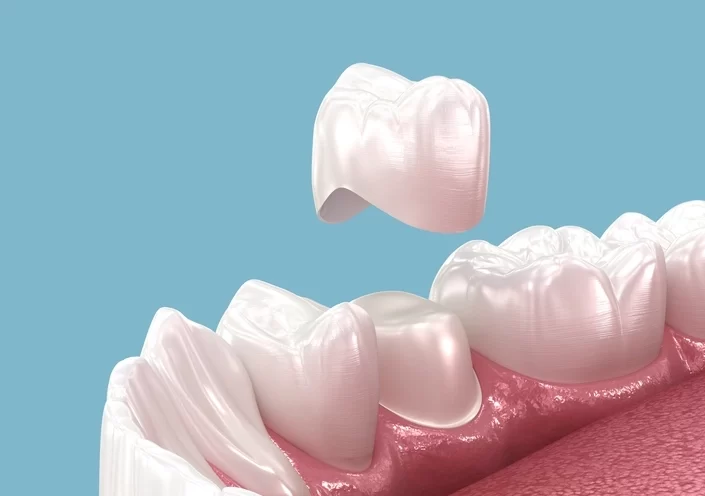
Dental crowns are essential restorations used to protect and strengthen damaged teeth. They can also enhance the appearance of teeth, making them a popular choice for both functional and cosmetic dentistry. Understanding how long dental crowns last is crucial for maintaining oral health and ensuring the longevity of your dental restorations.
Purpose of Dental Crowns
Dental crowns serve multiple purposes, including restoring weakened teeth, protecting teeth after root canal therapy, and improving the aesthetic appeal of teeth. By providing a durable covering, crowns help prevent further damage and maintain the integrity of the affected tooth.
Importance of Longevity
The longevity of dental crowns directly impacts the effectiveness of the restoration and the overall health of your teeth. Knowing how long dental crowns last allows you to plan for future dental care and make informed decisions about your oral health.
Factors Affecting Crown Lifespan
Material Quality
The material used in dental crowns plays a significant role in their durability. High-quality materials such as porcelain-fused-to-metal, zirconia, and gold crowns tend to last longer compared to less durable options. The choice of material affects not only the lifespan but also the appearance and functionality of the crown.
Oral Hygiene
Maintaining good oral hygiene is essential for extending the lifespan of dental crowns. Regular brushing, flossing, and dental check-ups help prevent decay and gum disease, which can compromise the integrity of the crown and the underlying tooth.
Placement Location
The location of the crown in your mouth influences its longevity. Crowns placed on molars, which endure more pressure from chewing, may wear out faster than those on front teeth. Proper placement and bite alignment are crucial for maximizing the lifespan of the crown.
Wear and Tear
Natural wear and tear from everyday use can gradually affect the durability of dental crowns. Factors such as grinding or clenching teeth (bruxism) can accelerate the wear process, potentially shortening the lifespan of the crown.
Types of Dental Crowns
Porcelain-Fused-to-Metal (PFM) Crowns
PFM crowns combine the strength of metal with the natural appearance of porcelain. They are durable and suitable for both front and back teeth, offering a good balance between aesthetics and functionality.
Zirconia Crowns
Zirconia crowns are known for their exceptional strength and natural translucency. They are highly resistant to wear and tear, making them an excellent choice for individuals seeking long-lasting and aesthetically pleasing restorations.
Gold Crowns
Gold crowns are renowned for their durability and biocompatibility. While they may not offer the same aesthetic appeal as porcelain or zirconia crowns, their longevity and resistance to corrosion make them a preferred option for restoring molars.
All-Ceramic Crowns
All-ceramic crowns provide the most natural appearance, making them ideal for front teeth restorations. They are less durable than metal-based crowns but offer superior aesthetics for those prioritizing a natural look.
Maintenance and Care Tips
Regular Dental Check-Ups
Visiting your dentist regularly for check-ups and cleanings is vital for maintaining the health of your dental crowns. Early detection of any issues can prevent more significant problems and extend the lifespan of your crowns.
Proper Brushing and Flossing
Good oral hygiene practices, including brushing twice a day and flossing daily, help keep your crowns and the surrounding teeth and gums healthy. This prevents decay and gum disease, which can compromise the crown's stability.
Avoiding Hard Foods
Minimizing the consumption of hard foods, such as ice, nuts, and hard candies, can reduce the risk of damaging your dental crowns. Being mindful of what you eat helps preserve the integrity and appearance of the crowns.
Using a Mouthguard
If you grind or clench your teeth, using a mouthguard at night can protect your crowns from excessive wear and tear. A mouthguard helps absorb the pressure and prevents the crown from chipping or breaking.
Real-Life Experiences
Many individuals have shared their positive experiences regarding how long dental crowns last. For instance, Sarah from New York describes how her zirconia crowns have remained intact and aesthetically pleasing for over a decade. She attributes their longevity to her diligent oral hygiene routine and regular dental visits.
Mike from California shares his experience with porcelain-fused-to-metal crowns, which have served him well for more than eight years without any significant issues. He emphasizes the importance of choosing high-quality materials and maintaining good oral hygiene to ensure the crowns' durability.
How to Choose the Right Dental Crown
Consult with Your Dentist
Choosing the right dental crown involves consulting with your dentist, who can assess your specific needs and recommend the most suitable type of crown. Factors such as the location of the tooth, aesthetic preferences, and budget will influence the best choice for you.
Consider the Material
Different materials offer various benefits. Porcelain-fused-to-metal crowns provide a balance of strength and aesthetics, while zirconia crowns offer superior durability and a natural look. Gold crowns are highly durable and biocompatible, making them ideal for restoring molars.
Evaluate Durability and Aesthetics
Consider how important durability and aesthetics are for your dental crowns. If longevity and resistance to wear are your top priorities, zirconia or gold crowns might be the best option. For a more natural appearance, all-ceramic crowns are an excellent choice, especially for front teeth.
Maintenance Tips
Regular Cleaning
To ensure the longevity of your dental crowns, regular cleaning is essential. Brush and floss daily to remove plaque and prevent decay around the crown. Using a fluoride toothpaste can also help strengthen the surrounding teeth and gums.
Proper Storage
While dental crowns are fixed in your mouth, proper storage of any removable dental appliances is important. Keep them clean and stored in a safe place to prevent damage or loss.
Periodic Maintenance
Schedule periodic maintenance appointments with your dentist to check the condition of your crowns. During these visits, your dentist can identify any potential issues early and provide necessary adjustments or repairs to extend the lifespan of your crowns.
Upgrade and Replacement Options
Over time, you may need to upgrade or replace your dental crowns to maintain optimal oral health. Factors such as wear and tear, changes in your bite, or cosmetic preferences can necessitate an upgrade. Consulting with Dentistry Toothtruth can help you explore the best options for replacing or upgrading your crowns. Click here to learn more about the latest advancements and find the perfect solution for your dental needs!
 Bernstein Orthodontics5.0 (154 review)
 Smile For All Family Dental0.0 (0 review)
 Holden Barry L DMD, PC4.0 (10 review)
 Arpino Orthodontics5.0 (133 review)
 Chesterfield Family and Cosmetic Dental Center4.0 (266 review)
 Haddon Heights Smiles5.0 (336 review)
 The Importance of Oral Health Education During Pregnancy for a Healthy Pregnancy
 Best Tips for Brushing Your Teeth Properly for Healthy Gums: Essential Techniques for Oral Health
 Why Skipping Dental Checkups Can Lead to Bigger Oral Health Problems
 Advantages of Porcelain Dental Restorations
 How Can Diabetes Cause Tooth and Gum Problems? Preventing and Managing Oral Health Issues
 Healthy Habits for Promoting Good Oral Health and Hygiene: Tips for a Healthy Smile