
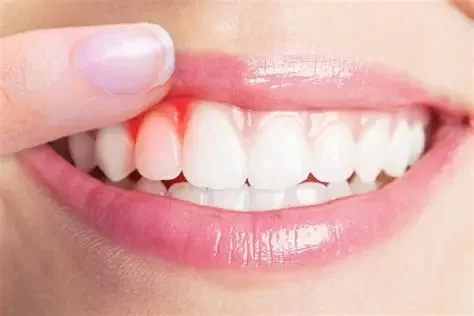
How Gum Disease Connects to Your Overall Health
Most people think of gum disease as an issue limited to the mouth, but research has shown it reaches far beyond oral health. Gum disease, also known as periodontal disease, is an infection of the tissues that support your teeth. It starts with mild gingivitis and can advance to periodontitis, which threatens the stability of your teeth. What surprises many is how bacteria from inflamed gums can travel through the bloodstream, influencing other organs and systems in the body. This makes gum disease not only a dental concern but a systemic health risk. Understanding these connections is key to protecting both your smile and your overall well-being.
1. Gum Disease and Heart Health
Inflammation as the common link
Heart disease and gum disease may seem unrelated, but they share one major factor: inflammation. Chronic gum infections allow harmful bacteria to enter the bloodstream, where they can contribute to arterial plaque buildup. This increases the risk of atherosclerosis, heart attack, and stroke. The American Heart Association has acknowledged this connection, noting that patients with periodontal disease often face higher cardiovascular risks. For instance, a study found that individuals with gum disease were nearly twice as likely to suffer from coronary artery disease. Even if you maintain good oral hygiene, untreated gum inflammation can put extra strain on your heart.
2. The Impact on Diabetes Control
How gum health and blood sugar are linked
People with diabetes are more prone to infections, including gum disease. At the same time, severe gum disease can make it harder to regulate blood sugar levels. This creates a cycle: high blood sugar fuels bacteria growth in the gums, while inflamed gums release chemicals that worsen insulin resistance. Doctors often describe gum disease as the “sixth complication of diabetes.” For patients managing Type 1 or Type 2 diabetes, keeping gums healthy is just as important as monitoring diet and medication. A real-world example is James, a patient who struggled to stabilize his blood sugar until he received periodontal treatment—after which his levels became much easier to control.
3. Risks During Pregnancy
Pregnant women face unique risks when it comes to gum disease. Hormonal changes make gums more sensitive to plaque, increasing the chances of inflammation and bleeding. Studies have linked untreated periodontitis to premature births and low birth weights. The theory is that bacteria and inflammatory molecules from gum infections may enter the bloodstream and affect the uterus. That’s why obstetricians often encourage pregnant patients to see their dentists regularly. Sarah, a first-time mother, experienced gum swelling during her second trimester. With early intervention, her dentist was able to reduce her risk factors and support a healthier pregnancy. These cases highlight why gum care matters for both mother and baby.
4. The Connection to Respiratory Problems
Bacteria traveling to the lungs
When gum disease is left untreated, bacteria from the mouth can be inhaled into the lungs. This can aggravate or even cause respiratory infections such as pneumonia, especially in older adults or those with compromised immune systems. For individuals with chronic obstructive pulmonary disease (COPD), gum inflammation may worsen symptoms. Researchers have suggested that maintaining oral health could lower hospitalization rates for respiratory illnesses. This underscores the importance of regular dental visits, especially for patients already managing lung conditions.
5. Alzheimer’s Disease and Cognitive Health
Emerging studies suggest a potential link between gum disease and cognitive decline. Scientists have discovered bacteria commonly associated with periodontitis in the brains of Alzheimer’s patients. The presence of these bacteria may contribute to inflammation and the formation of harmful proteins linked to memory loss. While more research is needed, the possibility that gum disease plays a role in dementia adds another reason to prioritize oral care. Families caring for elderly loved ones should pay close attention to oral hygiene routines, as gum disease prevention may also support long-term brain health.
6. Everyday Quality of Life
Pain, confidence, and nutrition
Beyond medical conditions, gum disease can affect day-to-day living. Bleeding gums, chronic bad breath, and tooth mobility can lower confidence and social comfort. Painful chewing may limit dietary choices, making it harder to get proper nutrition. These issues don’t just impact oral health—they ripple into emotional well-being and overall quality of life. Many patients report significant improvements in confidence and comfort after receiving periodontal treatment, highlighting how essential gum care is for maintaining both health and happiness.
7. Prevention and Professional Support
Preventing gum disease from harming your overall health requires a proactive approach. Daily brushing, flossing, and using antimicrobial rinses are foundational steps. However, professional dental cleanings are equally important, as they remove plaque and tartar that home care can’t address. Regular dental check-ups also allow early detection of inflammation before it worsens. Lifestyle adjustments like quitting smoking, eating a nutrient-rich diet, and managing stress can further reduce risks. If you’re concerned about gum disease or its effects on your health, visiting trusted providers such as Family Dentistry Online can connect you with the right care and personalized recommendations.
8. Protecting Your Health Beyond Your Smile
Gum disease is more than a dental problem—it is a whole-body concern. From heart and diabetes risks to pregnancy and even cognitive decline, the connections between oral health and systemic health are powerful. Taking care of your gums means investing in your overall well-being. With consistent habits, professional support, and awareness of risk factors, you can protect your smile and your health at the same time. The next time you think about flossing or scheduling a dental visit, remember that those small steps could be safeguarding more than just your teeth—they could be protecting your future.



 Smiles On Bridgetown5.0 (87 review)
 Weimar Family & Implant Dentistry4.0 (778 review)
 Summit Pediatric Dentistry4.0 (145 review)
 Dr. Kwon Pediatric Dentistry Sedation Center4.0 (133 review)
 Wang Hugh N DDS0.0 (0 review)
 Fry Orthodontic Specialists4.0 (71 review)
 The Importance of Oral Health Education During Pregnancy for a Healthy Pregnancy
 Best Tips for Brushing Your Teeth Properly for Healthy Gums: Essential Techniques for Oral Health
 Why Skipping Dental Checkups Can Lead to Bigger Oral Health Problems
 Advantages of Porcelain Dental Restorations
 How Can Diabetes Cause Tooth and Gum Problems? Preventing and Managing Oral Health Issues
 Healthy Habits for Promoting Good Oral Health and Hygiene: Tips for a Healthy Smile