
Understanding the Link Between Nutrition and Oral Hygiene
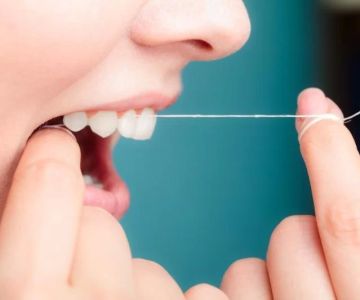
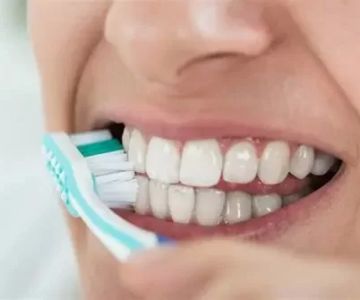
Good oral hygiene is often associated with daily brushing and flossing, but nutrition plays an equally important role in maintaining healthy teeth and gums. What we eat impacts not only the strength of our teeth but also the condition of our gums, saliva production, and susceptibility to dental diseases. In the United States, where sugary snacks and processed foods are common, understanding this connection is critical for long-term oral health.
1. The Role of Nutrients in Maintaining Strong Teeth
Our teeth require essential nutrients to stay strong and resist decay. Calcium, found in dairy products like milk and cheese, is vital for tooth enamel strength. Vitamin D helps the body absorb calcium effectively, promoting bone and tooth health. Phosphorus, present in meat, eggs, and nuts, works alongside calcium to rebuild and maintain tooth enamel. Without these nutrients, teeth can become brittle and more prone to cavities.
2. How Sugar and Acidic Foods Damage Oral Health
Frequent consumption of sugary and acidic foods can lead to tooth decay and enamel erosion. Bacteria in the mouth feed on sugars and produce acids that wear down enamel, leading to cavities. Acidic drinks like sodas, citrus juices, and sports drinks accelerate this process. For instance, a study from the American Dental Association highlights that children consuming high amounts of sugary beverages have a significantly higher risk of dental caries.
3. The Impact of Diet on Gum Health
Nutrition affects gum health just as much as it does teeth. Deficiencies in vitamins C and A can lead to inflamed gums, bleeding, and periodontal disease. Vitamin C is essential for collagen production, which supports gum tissue repair and integrity. A famous historical example involves sailors developing scurvy due to vitamin C deficiency, resulting in severe gum disease and tooth loss. This underscores the importance of a balanced diet rich in fresh fruits and vegetables.
Practical Tips for Using Nutrition to Support Oral Hygiene
1. Choose Foods That Naturally Clean Teeth
Crunchy fruits and vegetables like apples, carrots, and celery help clean teeth by increasing saliva production and mechanically removing food debris. Saliva is a natural defense mechanism that neutralizes acids and washes away bacteria. Incorporating these foods into your diet supports oral hygiene between brushings.
2. Limit Snacking and Sugary Treats
Reducing the frequency of snacking, especially sugary snacks, limits the time your teeth are exposed to harmful acids. Instead of reaching for candy or cookies, opt for nuts or cheese, which have been shown to reduce acid levels in the mouth and help maintain a balanced oral environment.
3. Stay Hydrated with Water
Drinking plenty of water is essential for oral health. Water not only helps wash away food particles but also dilutes sugars and acids in the mouth. Fluoridated water additionally contributes to strengthening tooth enamel and preventing decay.
4. Include Probiotic-Rich Foods
Emerging research suggests that probiotics found in yogurt and fermented foods may improve oral flora balance, reducing harmful bacteria associated with cavities and gum disease. This natural approach can complement traditional oral hygiene practices.
Stories That Highlight the Importance of Nutrition for Oral Health
Consider the story of John, a 35-year-old man from Texas, who suffered from frequent cavities despite diligent brushing. Upon consulting his dentist, John learned that his diet was heavy in sugary sodas and processed snacks. After switching to a balanced diet rich in calcium, fresh produce, and drinking more water, John noticed a significant improvement in his oral health within months. His story is a powerful reminder that nutrition and oral hygiene go hand in hand.
Final Thoughts: Integrating Nutrition Into Your Oral Hygiene Routine
While brushing and flossing remain cornerstones of oral hygiene, nutrition provides the foundation for strong, healthy teeth and gums. By understanding how what you eat affects your mouth, you can make smarter dietary choices that complement your dental care routine. For those seeking professional guidance or products to support their oral health journey, visit Dentistry Toothtruth for expert recommendations tailored to your needs.



 19th Avenue Dental Excellence: Ramos Reynita DDS0.0 (0 review)
 Ahoyt Family Dental4.0 (619 review)
 Greater Portland Endodontics5.0 (14 review)
 Rapid City Dental Clinic4.0 (90 review)
 E. Charles Beliveau, DDS5.0 (145 review)
 The Importance of Oral Health Education During Pregnancy for a Healthy Pregnancy
 Best Tips for Brushing Your Teeth Properly for Healthy Gums: Essential Techniques for Oral Health
 Why Skipping Dental Checkups Can Lead to Bigger Oral Health Problems
 Advantages of Porcelain Dental Restorations
 How Can Diabetes Cause Tooth and Gum Problems? Preventing and Managing Oral Health Issues
 Healthy Habits for Promoting Good Oral Health and Hygiene: Tips for a Healthy Smile