
1. Understanding How Oral Health Affects Overall Health
Oral health is more than just about having a beautiful smile. It is an integral part of overall health, and neglecting it can lead to a variety of health issues, including serious diseases. Many people do not realize that oral diseases can have far-reaching effects on the body, potentially causing problems in the heart, lungs, and even the digestive system. But how exactly do you get a disease from oral health? Let's dive into the mechanisms that link oral hygiene to systemic diseases.
1.1 The Link Between Oral Health and Systemic Diseases
Poor oral hygiene can lead to the buildup of plaque, which contains harmful bacteria. These bacteria can cause infections in the mouth, such as gum disease, cavities, and abscesses. When left untreated, these infections can enter the bloodstream, spreading to other parts of the body and potentially causing more serious conditions. For instance, research has shown that poor oral health is linked to heart disease, diabetes, and respiratory illnesses.
1.2 How Gum Disease Can Lead to Other Health Problems
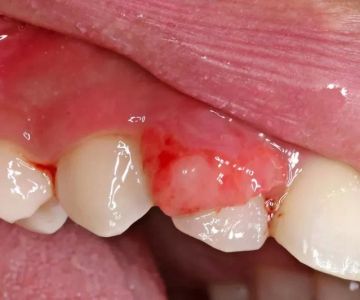
One of the most common oral diseases, gum disease (or periodontitis), is linked to a variety of health conditions. This condition begins as gingivitis, which is an inflammation of the gums due to plaque buildup. If not treated, gingivitis can progress to periodontitis, which damages the bone and tissue that support the teeth. In severe cases, the bacteria from gum infections can travel through the bloodstream and increase inflammation throughout the body, potentially causing heart disease, stroke, and other complications.
2. How Do Oral Diseases Spread?
Oral diseases, such as cavities and gum disease, do not only result from poor dental hygiene. These diseases can be spread in a variety of ways, including through direct contact, poor lifestyle choices, and other health factors. Understanding how these diseases spread is crucial in preventing them and maintaining good oral health.
2.1 Bacteria Transmission Through Saliva
Saliva plays a key role in the spread of oral diseases. When people share drinks, food, or utensils, they may inadvertently spread bacteria from their mouths to others. This is particularly true for young children, whose immune systems may be more vulnerable to infections. Additionally, kissing or even sharing a toothbrush can lead to the transmission of harmful bacteria, increasing the risk of developing oral health problems.
2.2 Oral Health and Lifestyle Choices
Lifestyle choices such as smoking and diet can contribute significantly to the spread and development of oral diseases. Smoking damages the gums and can decrease the body’s ability to fight infection, making smokers more susceptible to gum disease and oral cancer. Similarly, a diet high in sugary foods and drinks can increase the risk of cavities and tooth decay, as the bacteria in the mouth feed on sugar and produce acids that attack tooth enamel.
2.3 The Role of Poor Hygiene Practices
Poor oral hygiene practices are the most common cause of oral diseases. Not brushing teeth regularly, skipping flossing, and neglecting professional dental cleanings can lead to the accumulation of plaque and tartar, which harbor harmful bacteria. Over time, this leads to gum disease and tooth decay, both of which can spread bacteria throughout the mouth and, potentially, the rest of the body. It is essential to brush twice a day and floss regularly to maintain good oral health and prevent the spread of oral diseases.
3. Preventing Oral Diseases
The good news is that oral diseases are preventable. With proper care and attention, you can protect yourself from the harmful effects of oral health problems. Preventative measures can help you maintain healthy teeth and gums and reduce the risk of developing systemic diseases linked to oral health.
3.1 Proper Brushing and Flossing
The most effective way to prevent oral diseases is to maintain proper brushing and flossing habits. Brushing your teeth at least twice a day with fluoride toothpaste helps remove plaque and food particles from the surface of your teeth. Flossing daily removes food particles and plaque from between your teeth, areas that a toothbrush cannot reach. By incorporating these habits into your daily routine, you can significantly reduce the risk of gum disease and tooth decay.
3.2 Regular Dental Check-ups
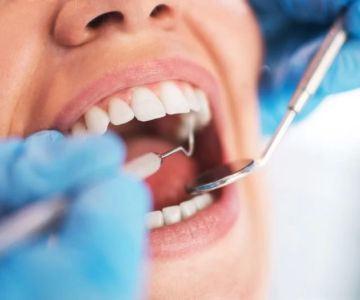
Regular dental check-ups are essential in maintaining oral health. During these visits, your dentist can remove tartar buildup, check for early signs of oral diseases, and provide professional cleaning that helps maintain healthy teeth and gums. The American Dental Association (ADA) recommends visiting the dentist at least once every six months for routine check-ups and cleanings.
3.3 Eating a Healthy Diet
A balanced diet plays a crucial role in maintaining good oral health. Eating a variety of nutrient-rich foods, such as fruits, vegetables, and dairy products, can help strengthen teeth and gums. Avoiding sugary foods and drinks reduces the risk of cavities and tooth decay. Drinking plenty of water also helps wash away food particles and bacteria from the mouth, keeping your mouth clean and hydrated.
4. The Importance of Early Detection
Early detection is key to preventing serious oral health issues. If you notice symptoms such as bleeding gums, persistent bad breath, or tooth sensitivity, it is essential to seek dental care as soon as possible. Early intervention can help prevent the progression of gum disease, cavities, and other oral infections, minimizing the risk of spreading bacteria to other parts of the body.
4.1 Recognizing the Signs of Oral Health Issues
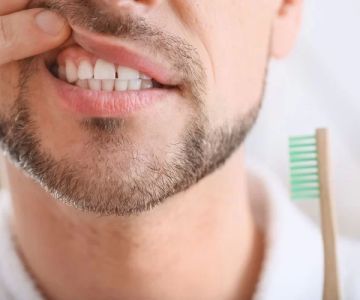
It is important to recognize the signs of oral health problems early on. Symptoms such as red, swollen, or bleeding gums, pain when chewing, or a persistent toothache are all signs that something may be wrong. Don’t ignore these symptoms; seek advice from a dentist to address the problem before it worsens.
4.2 The Role of Family Dentists
Family dentists play an essential role in identifying and treating oral health problems early. They can provide personalized advice and treatment plans based on your family’s specific needs. Regular visits to a family dentist can help catch issues before they escalate, ensuring your entire family maintains optimal oral health.
5. Conclusion: Prioritizing Oral Hygiene for Better Health
Oral health is much more than just keeping your teeth clean. It is integral to overall health, with poor oral hygiene linked to serious diseases like heart disease and diabetes. By understanding how oral diseases spread and the importance of prevention, you can protect your health and the health of others. Practicing good oral hygiene, seeking regular dental care, and making healthy lifestyle choices are key to reducing the risk of oral diseases and improving your overall health.


 Loma Linda University School of Dentistry3.0 (154 review)
 Spencer Dental & Braces4.0 (459 review)
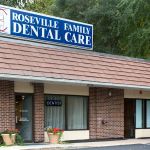 Roseville Family Dental Care4.0 (204 review)
 Acosta Dental Care4.0 (47 review)
 Dental365 - Throgs Neck4.0 (554 review)
 Capital Dental Design - Richmond5.0 (456 review)
 The Importance of Oral Health Education During Pregnancy for a Healthy Pregnancy
 Best Tips for Brushing Your Teeth Properly for Healthy Gums: Essential Techniques for Oral Health
 Why Skipping Dental Checkups Can Lead to Bigger Oral Health Problems
 Advantages of Porcelain Dental Restorations
 How Can Diabetes Cause Tooth and Gum Problems? Preventing and Managing Oral Health Issues
 Healthy Habits for Promoting Good Oral Health and Hygiene: Tips for a Healthy Smile