
How Can You Get Sexually Transmitted Diseases from Oral Sex?
Sexually transmitted diseases (STDs) are commonly associated with vaginal or anal intercourse, but many people underestimate the risks of oral sex. In reality, oral contact can also transmit infections such as herpes, gonorrhea, syphilis, chlamydia, and even HIV in some cases. Understanding how this happens is key to protecting your health and making informed choices.
1. The Biological Pathways of Oral Transmission
1.1 Direct Contact with Infected Fluids
STDs spread through the exchange of bodily fluids, and oral sex creates opportunities for direct contact. Saliva is not a major transmitter of most STDs, but semen, vaginal fluids, and blood can carry infectious agents. When these fluids come in contact with the mouth, throat, or small cuts inside the mouth, transmission becomes possible.
1.2 Microscopic Tears and Openings
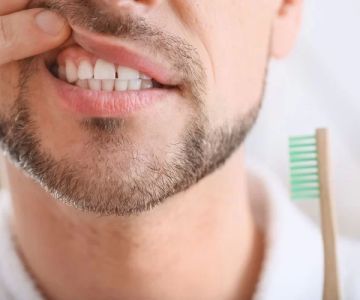
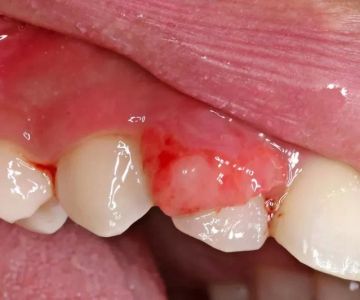
The mouth is delicate, and tiny cuts or sores—sometimes unnoticeable—can serve as entry points for bacteria and viruses. Brushing too hard, recent dental work, or gum disease can create these openings. That’s why good oral hygiene matters not only for dental health but also for reducing STD risk.
1.3 Skin-to-Skin Contact
Some infections, like herpes and human papillomavirus (HPV), spread through skin-to-skin contact rather than fluids. This means that even if ejaculation does not occur, friction against the lips, tongue, or throat can still transmit infections.
2. Common STDs That Can Be Transmitted Through Oral Sex
2.1 Herpes Simplex Virus (HSV)
Oral herpes (HSV-1) and genital herpes (HSV-2) are often transmitted during oral sex. A person with cold sores can spread the virus to their partner’s genitals, while someone with genital herpes can spread it to their partner’s mouth. Symptoms include painful sores, but the virus can spread even without visible outbreaks.
2.2 Gonorrhea and Chlamydia
These bacterial infections can infect the throat, leading to discomfort, soreness, or sometimes no symptoms at all. People with throat gonorrhea or chlamydia can still spread the infection to others, making testing and treatment essential. The silent nature of these infections makes them especially risky if left untreated.
2.3 Human Papillomavirus (HPV)
HPV is one of the most common sexually transmitted infections, and it can be spread through oral sex. Certain strains of HPV are linked to oral cancers, particularly in the throat and tongue. Vaccination provides effective protection, but safe practices remain necessary.
2.4 Syphilis and HIV
Though less common, syphilis can be spread through oral contact, especially if open sores are present. HIV is harder to contract from oral sex compared to vaginal or anal intercourse, but the risk increases with bleeding gums, mouth sores, or exposure to blood and semen.
3. Real-Life Examples of Oral Transmission
Consider a young professional named David who believed oral sex was “risk-free.” After recurring sore throats, he visited his doctor and was diagnosed with oral gonorrhea. He admitted he never used protection during oral contact. His story highlights how misinformation about oral sex risks can lead to unexpected health consequences.
Another case involves Laura, who contracted herpes from her partner despite neither of them showing visible symptoms at the time. This illustrates how even asymptomatic infections can spread through oral contact, underscoring the importance of awareness and precaution.
4. Prevention Strategies for Safer Oral Sex
4.1 Use of Protection
Condoms and dental dams provide barriers that greatly reduce the risk of transmission. While not commonly used for oral sex, they are effective in preventing exposure to infected fluids and skin contact. Flavored condoms and dental dams are available to make this option more practical and comfortable.
4.2 Regular STD Testing
Since many STDs can be asymptomatic, regular testing is crucial. Early detection allows for timely treatment and prevents further spread. Couples engaging in oral sex should consider testing as part of their routine healthcare.
4.3 Good Oral Hygiene and Health
Maintaining healthy gums and teeth reduces the likelihood of cuts or sores that allow infections to enter. Avoiding oral sex if you or your partner have visible sores, bleeding gums, or other mouth issues also lowers risk. Practicing good oral care routines is not just about preventing cavities—it’s also about protecting your overall health.
5. When to Seek Medical Help
If you experience persistent sore throats, unusual mouth sores, or other symptoms following oral sex, consult a healthcare provider. Many infections are treatable with antibiotics or antiviral medications, but delays in treatment can lead to complications. Don’t ignore symptoms simply because you assume oral sex is “safe.”
6. Final Thoughts on Oral Transmission and Protection
While oral sex may carry a lower risk of STD transmission compared to other sexual activities, it is not risk-free. Understanding how infections spread through oral contact empowers you to make safer decisions. For professional guidance and prevention strategies, Family Dentistry Online provides resources and services that support both oral health and overall well-being. With the right information and care, you can protect yourself and your partner while maintaining a healthy lifestyle.

 Village Dental - North Raleigh4.0 (1577 review)
 Dental Health Associates, P.A.3.0 (355 review)
 Maine Orthodontics5.0 (2 review)
 Schuller Dental5.0 (196 review)
 Reichheld Ting Orthodontics - Westford5.0 (308 review)
 HealthPartners Dental Clinic St. Paul2.0 (16 review)
 The Importance of Oral Health Education During Pregnancy for a Healthy Pregnancy
 Best Tips for Brushing Your Teeth Properly for Healthy Gums: Essential Techniques for Oral Health
 Why Skipping Dental Checkups Can Lead to Bigger Oral Health Problems
 Advantages of Porcelain Dental Restorations
 How Can Diabetes Cause Tooth and Gum Problems? Preventing and Managing Oral Health Issues
 Healthy Habits for Promoting Good Oral Health and Hygiene: Tips for a Healthy Smile