
Understanding the Risks of Oral Sex and STDs
Many people assume that oral sex is safer than vaginal or anal intercourse when it comes to sexually transmitted diseases (STDs). While oral sex may carry a lower risk for certain infections, it is not risk-free. Diseases like herpes, gonorrhea, syphilis, chlamydia, human papillomavirus (HPV), and even HIV can be transmitted through oral sex. The transmission occurs when bacteria or viruses enter the body through tiny cuts or abrasions in the mouth, throat, or lips. Recognizing that oral sex can spread STDs helps people make informed decisions about protecting their health.
How STDs Are Transmitted Through Oral Sex
Transmission depends on direct contact with infected bodily fluids, including semen, vaginal fluids, and blood. Even skin-to-skin contact during oral sex can spread infections like herpes and HPV. For example, if one partner has oral herpes (cold sores), performing oral sex can transfer the virus to their partner’s genitals. Similarly, if the receiving partner is infected with gonorrhea or chlamydia, the bacteria can infect the throat of the person performing oral sex. These examples demonstrate how easily infections can cross between the mouth and genitals.
The Role of Mouth Health in Transmission
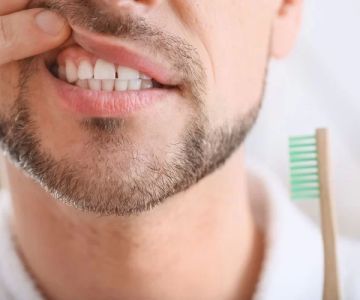
Poor oral hygiene and gum disease can make it easier for STDs to enter the bloodstream. Tiny cuts in the gums or bleeding caused by brushing too hard can provide an entry point for viruses and bacteria. People with untreated dental issues are therefore at greater risk of contracting an infection during oral sex. This is one reason why maintaining good oral hygiene and scheduling regular dental checkups with professionals, such as those at Family Dentistry Online, is important not only for oral health but also for reducing STD risk.
Types of STDs Spread Through Oral Sex
Different infections behave in different ways when it comes to oral transmission. Below are the most common diseases linked to oral sex:
- Herpes Simplex Virus (HSV): Oral herpes (HSV-1) and genital herpes (HSV-2) can be transmitted in both directions. Even without visible sores, the virus can still spread through oral contact.
- Gonorrhea: Oral gonorrhea can cause a sore throat, and in some cases, it may spread to other parts of the body if untreated.
- Chlamydia: Though less common in the throat, it is still possible for chlamydia to infect the oral cavity, leading to discomfort and inflammation.
- Syphilis: This infection can spread through direct contact with syphilis sores, which can appear on the lips, mouth, or genitals.
- Human Papillomavirus (HPV): Certain strains of HPV spread through oral sex and can lead to oral cancers.
- HIV: While rare, HIV transmission is possible if there are open sores or bleeding in the mouth during oral sex with an infected partner.
Real-Life Cases That Show the Risks
There have been documented cases of individuals developing serious health issues from oral transmission of STDs. For instance, several patients with persistent sore throats were later diagnosed with oral gonorrhea, initially mistaken for common infections. Another reported case involved a young woman who developed oral cancer linked to high-risk HPV acquired through oral sex. These stories illustrate how hidden the risks can be and why awareness is essential.
Symptoms to Watch Out For
Many oral STDs can be asymptomatic, making them hard to detect without testing. However, some common warning signs include:
- Painful or persistent sore throat
- Unexplained mouth ulcers or sores
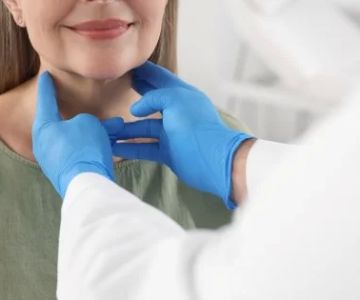
- Swollen lymph nodes in the neck
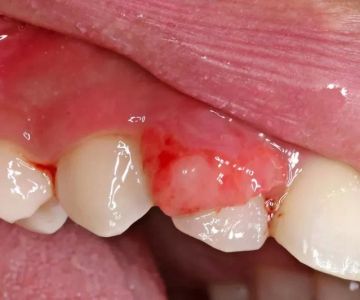
- Redness, irritation, or unusual patches inside the mouth
- Fever or flu-like symptoms after exposure
If you notice any of these signs, it’s essential to consult a healthcare provider for testing and treatment. Early detection can prevent further complications.
Steps to Reduce the Risk of Oral Transmission
There are effective ways to minimize the risks associated with oral sex:
- Use barrier protection like condoms or dental dams during oral sex.
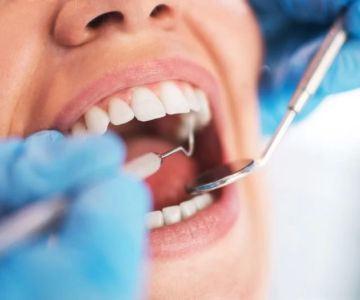
- Maintain good oral hygiene by brushing, flossing, and seeing a dentist regularly at Family Dentistry Online.
- Avoid oral sex if you or your partner have visible sores, cuts, or bleeding in the mouth or genital area.
- Limit the number of sexual partners to reduce exposure risk.
- Get regular STD screenings, especially if you are sexually active with multiple partners.
The Importance of Open Communication
Discussing sexual health with partners is an important step in preventing disease transmission. Many people feel uncomfortable bringing up STDs, but transparency builds trust and ensures safety for both partners. Regular health checkups, practicing safe oral sex, and honest conversations can significantly reduce the risks associated with sexually transmitted diseases.
Taking Charge of Your Health
Oral sex is a natural part of many relationships, but understanding the risks allows people to protect themselves effectively. Maintaining proper oral hygiene, using protection, and seeking professional care when needed are essential for long-term health. By combining safe practices with regular dental and medical checkups, individuals can enjoy intimacy while minimizing the risk of sexually transmitted diseases.

 Palo Verde Smiles formerly known as Critchfield Dental4.0 (170 review)
 Leonard L Patella, DDS0.0 (0 review)
 Valley Dental4.0 (159 review)
 Riccobene Associates Family Dentistry4.0 (523 review)
 Schott Peter J DDS4.0 (27 review)
 Absolute Dental - Aliante4.0 (910 review)
 The Importance of Oral Health Education During Pregnancy for a Healthy Pregnancy
 Best Tips for Brushing Your Teeth Properly for Healthy Gums: Essential Techniques for Oral Health
 Why Skipping Dental Checkups Can Lead to Bigger Oral Health Problems
 Advantages of Porcelain Dental Restorations
 How Can Diabetes Cause Tooth and Gum Problems? Preventing and Managing Oral Health Issues
 Healthy Habits for Promoting Good Oral Health and Hygiene: Tips for a Healthy Smile