

Understanding How Diseases Can Spread Through the Mouth
1. The Mouth as a Gateway to Systemic Infection
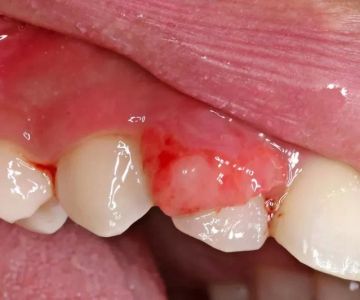
Most people see the mouth as separate from the rest of the body. In reality, it's a vital portal through which bacteria and viruses can enter the bloodstream and affect internal systems. The moist, warm environment of the mouth is a perfect breeding ground for pathogens—particularly when oral hygiene is neglected. Bleeding gums, cavities, or infected teeth can act as open doors, giving bacteria direct access to the bloodstream.
In fact, research from the American Dental Association has shown that untreated gum disease may increase the risk of heart disease. That’s because bacteria from the gums can travel through the circulatory system, triggering inflammation in the heart’s blood vessels. It’s one of the most direct ways diseases can originate from oral sources.
2. Oral Sex and Transmissible Infections
Engaging in oral sex is another common route through which diseases can be transmitted. This includes viruses such as herpes simplex (HSV-1 and HSV-2), human papillomavirus (HPV), gonorrhea, syphilis, and even HIV under certain conditions. Contrary to common belief, these infections don’t only affect the genitals—they can manifest in the throat, tongue, and gums.
Consider the case of Jason, a college student in Austin, who developed a persistent sore throat. After multiple misdiagnoses, a specialist confirmed it was HPV-related oral warts—contracted through oral sexual contact. His story is not uncommon, especially among sexually active young adults in the U.S. who often underestimate the risks associated with oral transmission.
3. Periodontal Disease and Its Links to Chronic Illness
Chronic gum disease, also known as periodontitis, can have serious implications for overall health. Left untreated, it may contribute to conditions such as type 2 diabetes, respiratory infections, and even Alzheimer’s disease. Bacteria such as *Porphyromonas gingivalis*—commonly found in infected gums—can travel through the bloodstream and cross the blood-brain barrier, possibly playing a role in neurodegeneration.
One groundbreaking study published in the journal *Science Advances* found traces of this bacteria in the brains of Alzheimer’s patients. It suggests a potential link between poor oral hygiene and long-term cognitive decline. This raises critical questions about how often people overlook oral care while focusing on physical fitness or nutrition.
4. Sharing Saliva and Disease Transmission
Everyday behaviors—like kissing, sharing utensils, or drinking from the same straw—can also transfer diseases. Saliva contains a wide range of microorganisms, including those responsible for mononucleosis, strep throat, and the flu. While most people recover quickly, others with weaker immune systems—like children or the elderly—may face complications.
In family settings, parents often unknowingly spread oral bacteria to their children by "cleaning" pacifiers with their mouths. Over time, these habits can increase a child's susceptibility to early tooth decay or bacterial imbalances. Pediatric dentists across the U.S. have started raising awareness about this, especially in communities with limited access to dental care.
5. Bacterial Biofilm and Inflammation Beyond the Mouth
Dental plaque is a sticky biofilm composed of bacteria that forms on teeth. When not properly removed, this plaque hardens into tartar and can cause gum inflammation. But its effects don’t stop there. The chronic inflammation triggered by biofilm can extend far beyond the mouth, contributing to systemic issues like arthritis, stroke, and even complications during pregnancy.
Pregnant women with untreated periodontitis have a significantly higher risk of preterm births and low-birthweight babies. In fact, the Centers for Disease Control and Prevention (CDC) now encourages oral screenings as part of prenatal care. The mouth’s connection to the rest of the body can no longer be ignored—it’s time to take it seriously.
6. Practical Prevention for Oral Disease Transmission
So what can you do to reduce your risk of contracting or spreading diseases through the mouth? First and foremost: maintain consistent and thorough oral hygiene. Brush twice daily with fluoride toothpaste, floss regularly, and use antimicrobial mouth rinses. Second, schedule routine dental cleanings every six months—even if your mouth feels fine.
Be mindful during intimacy—use protection for oral sex and get regular screenings for STIs. Don’t share toothbrushes, lip balm, or other items that can transfer saliva. And if you have a dental issue, don’t wait—get it checked before it turns into something worse.
If you're unsure about your oral health or haven’t had a professional exam in a while, consider visiting Dentistry Toothtruth. Our experienced dental professionals can help you identify risks, prevent complications, and ensure your smile doesn’t become a health hazard.

 Spartan Dental4.0 (222 review)
 Michael Brody DDS4.0 (8 review)
 Veterinary Dental Center: S Juriga, DVM, DAVDC; L Sasser, DVM, DAVDC; K Kling, DVM, DAVDC; G Rutkauskas, DVM; MJ Hassan DVM5.0 (356 review)
 Surprise Endodontics4.0 (170 review)
 Scottsdale Center for Implant Dentistry4.0 (27 review)
 Hilliard Dental Associates5.0 (147 review)
 The Importance of Oral Health Education During Pregnancy for a Healthy Pregnancy
 Best Tips for Brushing Your Teeth Properly for Healthy Gums: Essential Techniques for Oral Health
 Why Skipping Dental Checkups Can Lead to Bigger Oral Health Problems
 Advantages of Porcelain Dental Restorations
 How Can Diabetes Cause Tooth and Gum Problems? Preventing and Managing Oral Health Issues
 Healthy Habits for Promoting Good Oral Health and Hygiene: Tips for a Healthy Smile