
How Can You Get a Disease from Oral Contact?
Oral health is more than just keeping your teeth clean and your breath fresh—it is closely tied to your overall well-being. Many people are unaware that diseases can be transmitted through the mouth, whether from poor oral hygiene, infections, or even from close contact with others. In the United States, dental professionals have long emphasized that the mouth is the gateway to the body, meaning bacteria and viruses can easily spread if oral health is neglected. Understanding how oral diseases are transmitted and how to protect yourself is essential for maintaining a healthy lifestyle. By looking into scientific explanations, personal stories, and practical guidance, we can see why oral care is about much more than just brushing twice a day.
Pathways of Oral Disease Transmission
The human mouth naturally contains millions of bacteria, some of which are beneficial, while others can cause harm. When balance is disrupted, disease-causing microbes thrive. Transmission can occur in several ways:
1. Saliva Exchange and Close Contact
Saliva is one of the most common ways diseases spread orally. Kissing, sharing utensils, or even drinking from the same cup can pass on bacteria or viruses. Conditions like oral herpes are frequently transmitted this way, often without the infected person even realizing they are contagious. Studies in American dental research have shown that the herpes simplex virus can remain dormant for years and become active during times of stress or weakened immunity, making prevention tricky.
2. Poor Oral Hygiene Practices
When brushing and flossing are neglected, plaque builds up and creates a breeding ground for harmful bacteria. Over time, this can lead to gum disease (periodontitis), which not only affects the mouth but also increases risks for heart disease and diabetes. Infections like dental abscesses can spread beyond the teeth and gums, leading to systemic health issues if left untreated. Many real-life cases highlight how untreated oral infections have resulted in hospitalization due to spreading into the bloodstream.
3. Open Wounds and Sores in the Mouth
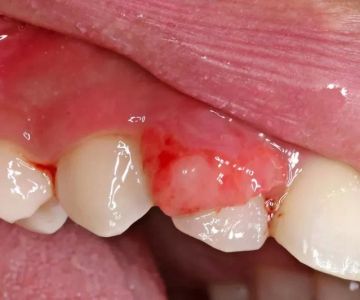
Cuts, sores, or bleeding gums can act as entry points for infections. For example, bloodborne diseases like hepatitis B or C may pose risks if exposed to contaminated blood or fluids during oral contact. Although rare, such cases underline the importance of protecting the integrity of oral tissues and seeking prompt care for chronic bleeding gums or mouth ulcers. Dentists in the U.S. frequently caution patients that what may seem like a minor sore could become a gateway for larger health concerns.
Types of Diseases Linked to Oral Transmission
1. Viral Infections
Viruses such as herpes simplex (oral herpes), human papillomavirus (HPV), and even the common cold can be spread through oral contact. HPV, in particular, has been increasingly linked to oral cancers in recent years. Awareness campaigns across America have stressed the connection between HPV and oral cancer risk, making prevention through safe practices and vaccines more important than ever.
2. Bacterial Infections
Bacteria like Streptococcus mutans, which cause cavities, are often shared between family members—sometimes even from parents to children. Gum disease-causing bacteria can also be transmitted through saliva, raising the importance of regular dental checkups to detect issues early. In fact, many families report noticing similar oral health patterns across generations, often explained by both genetics and the sharing of oral bacteria.
3. Fungal Infections
Oral thrush, caused by an overgrowth of the fungus Candida, can spread in environments where immunity is weakened or hygiene is compromised. While often seen in infants, adults with weakened immune systems or those using certain medications may also develop oral thrush, which can be passed on through direct oral contact.
Preventing Oral Disease Transmission
Prevention starts with strong daily habits and awareness. Brushing twice a day with fluoride toothpaste, flossing, and using an antimicrobial mouth rinse are key steps. Avoiding the sharing of cups, toothbrushes, or utensils reduces the risk of passing infections within households. For sexually active individuals, practicing safe oral hygiene with protective methods helps minimize transmission of viruses like HPV or herpes. Regular dental visits are also crucial, as professional cleanings and exams catch issues early before they escalate. For trusted advice and dental services, many people in the U.S. turn to resources like Family Dentistry Online to find the right care for their needs.
Real-Life Stories Highlighting the Risks
One college student in Florida shared her story of developing painful mouth sores after contracting oral herpes unknowingly from her partner. A middle-aged man in Illinois ignored his bleeding gums for months, only to end up hospitalized when the infection spread to his jawbone. On a positive note, a mother in California explained how she and her dentist worked together to reduce bacterial transmission within her family by encouraging consistent oral hygiene routines for her children. These stories reveal that oral disease transmission is not just theoretical—it impacts real lives, and awareness can make the difference between prevention and serious illness.
The Bigger Picture of Oral Health
Oral health is inseparable from overall health. When oral diseases are transmitted, they don’t just stay confined to the mouth—they can affect the heart, lungs, and immune system. Understanding how diseases spread orally empowers individuals to take proactive steps in protecting themselves and their families. With practical knowledge, daily care, and professional guidance, maintaining a healthy mouth becomes an achievable goal that protects the entire body. By recognizing the risks and adopting preventive measures, you can safeguard not only your smile but also your long-term well-being.

 Mark J. Mele, DMD5.0 (86 review)
 Friends of Family Health Center2.0 (144 review)
 Lloyd Orthodontics5.0 (26 review)
 Westford Smiles Dental Center5.0 (172 review)
 Oshiro Dental4.0 (5 review)
 Dr. Huma Sheikh, DDS, MS, PA5.0 (7 review)
 The Importance of Oral Health Education During Pregnancy for a Healthy Pregnancy
 Best Tips for Brushing Your Teeth Properly for Healthy Gums: Essential Techniques for Oral Health
 Why Skipping Dental Checkups Can Lead to Bigger Oral Health Problems
 Advantages of Porcelain Dental Restorations
 How Can Diabetes Cause Tooth and Gum Problems? Preventing and Managing Oral Health Issues
 Healthy Habits for Promoting Good Oral Health and Hygiene: Tips for a Healthy Smile