
Why Oral Hygiene Matters More Than You Think
Many people ask, “How can I improve my oral hygiene?”—and the answer goes beyond just brushing your teeth. Oral health is closely tied to your overall health. Poor hygiene can lead to cavities, gum disease, and even conditions such as heart disease or diabetes complications. In the United States, millions of adults report gum-related issues, often due to inconsistent care routines. Prioritizing your oral hygiene not only improves your smile but also protects your long-term well-being.
Consider the story of a young professional who brushed daily but avoided flossing. Over time, she developed gum inflammation, which required expensive treatment. Her experience highlights how simple daily habits can prevent serious problems when practiced consistently.
1. Brushing Techniques That Make a Difference
Choosing the Right Toothbrush and Toothpaste
Selecting the right tools is the foundation of good oral hygiene. Dentists recommend a soft-bristled toothbrush paired with fluoride toothpaste to effectively remove plaque without damaging enamel. Electric toothbrushes have also grown popular in the U.S. because they provide consistent motion and can clean hard-to-reach areas more effectively.
Brushing Duration and Frequency
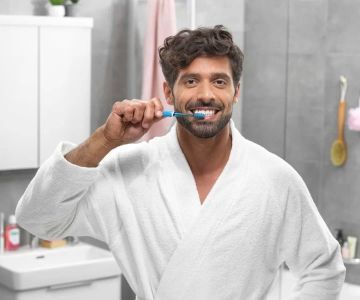
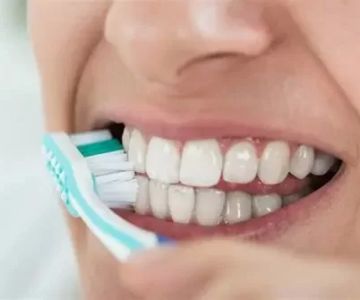
Brushing twice a day for at least two minutes ensures you clean every surface of your teeth. A good approach is to divide your mouth into four sections and spend 30 seconds on each. Many people rush through brushing, but slowing down helps remove plaque buildup more thoroughly.
2. Flossing: The Step Most People Skip
Why Flossing Is Essential
Flossing removes food particles and bacteria from between teeth where toothbrush bristles cannot reach. Skipping this step allows plaque to harden into tartar, which requires professional cleaning. Gum bleeding is often an early warning sign that you need to floss more regularly.
Proper Flossing Methods
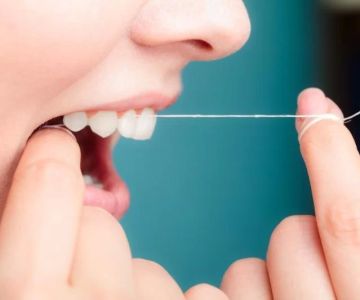
Wrap about 18 inches of floss around your fingers and gently curve it around each tooth in a “C” shape. Avoid snapping floss between teeth, as this can damage gums. If traditional flossing feels difficult, try floss picks or water flossers, which many American families now use for convenience.
3. Diet and Lifestyle Choices That Improve Oral Hygiene
The Role of Nutrition in Oral Health
Your diet plays a huge role in your oral hygiene. Sugary snacks and sodas fuel harmful bacteria, while foods rich in calcium, vitamin D, and fiber support stronger teeth and gums. Crunchy vegetables like carrots and celery also help naturally clean teeth between meals. Limiting alcohol and avoiding tobacco is equally important, as both can damage gum tissues and stain enamel.
Hydration and Saliva Production
Staying hydrated encourages saliva production, which neutralizes acids and washes away food particles. Chewing sugar-free gum after meals is another simple way to stimulate saliva and protect against tooth decay.
4. Regular Dental Checkups and Professional Cleanings
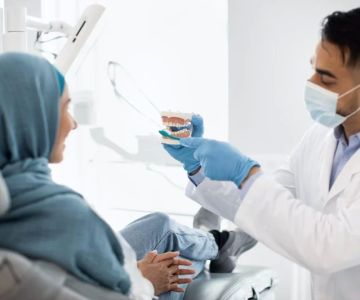
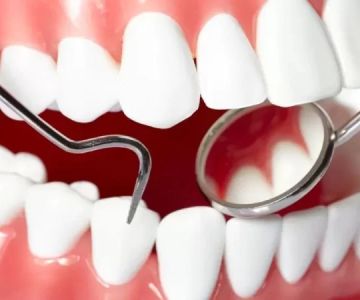
Even with perfect daily habits, professional checkups remain essential. Dentists recommend visiting every six months for a cleaning and oral exam. These visits catch cavities, gum disease, or misalignments early before they turn into costly treatments. In fact, many Americans who delay checkups often face higher dental bills later due to untreated issues.
For families looking for reliable care, Family Dentistry Online offers access to the best services and expert recommendations to maintain healthy smiles year-round.
5. Building a Consistent Oral Hygiene Routine
The key to improving oral hygiene is consistency. Developing a daily schedule that includes brushing, flossing, rinsing with mouthwash, and making conscious dietary choices creates a sustainable lifestyle. Parents can also model good habits for children, making oral care a family practice.
Over time, these routines turn into second nature, helping you avoid dental problems and ensuring long-term oral health.

 Steve Baerg, DDS5.0 (10 review)
 John D. Meola, DDS5.0 (4 review)
 Arpino Orthodontics5.0 (133 review)
 Greencastle Dental4.0 (653 review)
 Smile Care Dental Associates: Dilip Patel DDS4.0 (5 review)
 Alliance Orthodontics4.0 (23 review)
 The Importance of Oral Health Education During Pregnancy for a Healthy Pregnancy
 Best Tips for Brushing Your Teeth Properly for Healthy Gums: Essential Techniques for Oral Health
 Why Skipping Dental Checkups Can Lead to Bigger Oral Health Problems
 Advantages of Porcelain Dental Restorations
 How Can Diabetes Cause Tooth and Gum Problems? Preventing and Managing Oral Health Issues
 Healthy Habits for Promoting Good Oral Health and Hygiene: Tips for a Healthy Smile