
Effective Healthy Mouth Care Tips for Strong Teeth and Fresh Breath
- 1. The Importance of Healthy Mouth Care
- 2. Key Components of Healthy Mouth Care
- 3. Building a Daily Oral Care Routine
- 4. Tools You Need for Healthy Mouth Care
- 5. Maintaining Healthy Gums
- 6. Common Mouth Care Mistakes to Avoid
- 7. Recommended Products for Healthy Mouth Care
1. The Importance of Healthy Mouth Care
Maintaining healthy mouth care is essential not only for a confident smile but also for overall health. Poor oral hygiene can lead to gum disease, cavities, and bad breath, while good mouth care ensures that your teeth and gums stay strong and your breath remains fresh. By following a consistent oral care routine, you can prevent serious health issues like heart disease and diabetes, which are linked to poor oral hygiene.
2. Key Components of Healthy Mouth Care
Healthy mouth care encompasses a few important habits that work together to maintain your oral health:
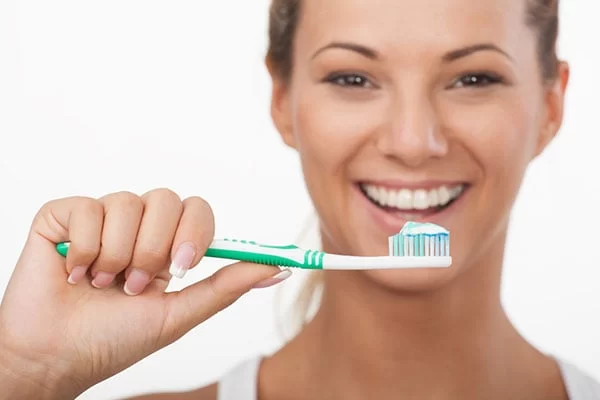
- Brushing: Proper brushing is the cornerstone of oral hygiene. Using a fluoride toothpaste, brush your teeth twice a day to remove plaque and food particles.
- Flossing: Flossing helps remove debris and plaque from between your teeth, areas where a toothbrush can't reach.
- Mouthwash: An antiseptic mouthwash can help kill harmful bacteria, reduce plaque buildup, and freshen your breath.
- Regular Dental Visits: See your dentist at least twice a year for professional cleanings and checkups to maintain healthy teeth and gums.
3. Building a Daily Oral Care Routine
Establishing a daily oral care routine is vital for long-term oral health. Here's a simple and effective routine:
- Brush your teeth: Brush your teeth for two minutes using a fluoride toothpaste. Make sure to reach all surfaces of your teeth and your tongue.
- Floss daily: Use dental floss to clean between your teeth and remove any particles left behind after brushing.
- Rinse with mouthwash: After brushing and flossing, use an antiseptic or fluoride mouthwash to further protect your teeth and freshen your breath.
- Stay hydrated: Drinking plenty of water helps rinse away food particles and bacteria, keeping your mouth moist and reducing the risk of bad breath.
4. Tools You Need for Healthy Mouth Care
The right tools make a big difference in your oral hygiene routine. Here are some essential mouth care tools:
- Toothbrush: Choose a toothbrush with soft bristles that fits comfortably in your hand. Electric toothbrushes can provide more effective brushing compared to manual brushes.
- Dental Floss: Use dental floss to clean between your teeth daily. You can also opt for floss picks or a water flosser for easier use.
- Water Flosser: For an alternative to traditional flossing, a water flosser uses a stream of pulsating water to remove food particles and plaque from between your teeth.
- Mouthwash: Use a mouthwash that suits your needs. Some mouthwashes fight bad breath, while others target bacteria or strengthen enamel.
5. Maintaining Healthy Gums
Healthy gums are a crucial part of maintaining a healthy mouth. Gum disease is often the result of poor oral care, and it can lead to tooth loss if left untreated. Here's how to take care of your gums:
- Brush gently: Avoid brushing too hard, as this can damage your gums and lead to gum recession.
- Floss regularly: Flossing removes plaque and debris from the gum line, preventing gingivitis and gum disease.
- Visit your dentist: Regular dental checkups are essential for detecting gum issues early and treating them before they become serious.
6. Common Mouth Care Mistakes to Avoid
To maintain healthy mouth care, avoid these common mistakes:
- Brushing too hard: Brushing aggressively can damage your enamel and gums.
- Skipping flossing: Many people skip flossing, but it is essential for preventing plaque buildup between teeth.
- Not replacing your toothbrush: Replace your toothbrush every 3 to 4 months to ensure optimal cleaning.
- Using sugary mouthwashes: Avoid mouthwashes with alcohol or sugar, as these can irritate the mouth and contribute to tooth decay.
7. Recommended Products for Healthy Mouth Care
Investing in quality mouth care products can make a noticeable difference in your oral health. Here are some top recommendations:
- Philips Sonicare Electric Toothbrush: Known for its superior plaque removal and gum health benefits.
- Waterpik Water Flosser: Ideal for effective flossing, especially for people with braces or sensitive gums.
- Oral-B Glide Pro-Health Floss: A reliable, smooth floss that slides easily between teeth without shredding.
- Listerine Total Care Mouthwash: A well-rounded mouthwash that fights germs, freshens breath, and strengthens enamel.
For more details on these products, visit Dentistry Toothtruth for expert recommendations and product reviews.






 Elite Dental Specialists4.0 (620 review)
 Kathleen Thieu, DDS, MS4.0 (16 review)
 Harvard Dental Group5.0 (30 review)
 Michael E Krone & Associates5.0 (39 review)
 Sea Mar Community Health Centers - 11th St3.0 (55 review)
 Greencastle Dental4.0 (653 review)
 The Importance of Oral Health Education During Pregnancy for a Healthy Pregnancy
 Best Tips for Brushing Your Teeth Properly for Healthy Gums: Essential Techniques for Oral Health
 Why Skipping Dental Checkups Can Lead to Bigger Oral Health Problems
 Advantages of Porcelain Dental Restorations
 How Can Diabetes Cause Tooth and Gum Problems? Preventing and Managing Oral Health Issues
 Healthy Habits for Promoting Good Oral Health and Hygiene: Tips for a Healthy Smile