
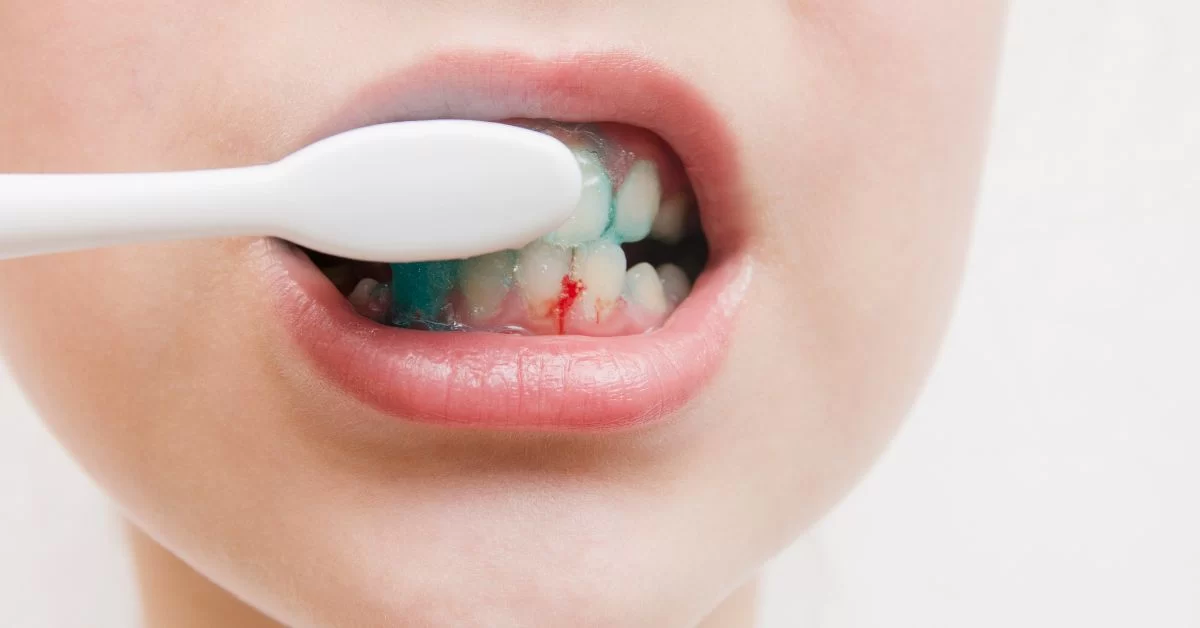
Why Do My Gums Bleed When I Brush My Teeth? Causes and Solutions
- 1. Understanding Why Gums Bleed When Brushing
- 2. Common Causes of Bleeding Gums
- 3. How to Prevent Bleeding Gums
- 4. When to Seek Dental Care for Bleeding Gums
- 5. Real-Life Experiences with Bleeding Gums
1. Understanding Why Gums Bleed When Brushing
Bleeding gums when brushing your teeth may seem alarming, but it’s a relatively common issue that many people face. While occasional minor bleeding could be due to brushing too hard or using a rough toothbrush, persistent bleeding is a sign that your gums may not be as healthy as they should be. The underlying cause of bleeding gums often points to a condition that requires attention, such as gingivitis or gum disease.
It’s important to recognize that your gums are sensitive, and the bleeding can indicate an underlying issue that needs addressing. Let’s take a deeper dive into the causes behind this uncomfortable symptom.
2. Common Causes of Bleeding Gums
There are several reasons why your gums might bleed when you brush. Below are some of the most common causes:
- Gingivitis: The most common cause of bleeding gums is gingivitis, which is the early stage of gum disease. Gingivitis occurs when plaque builds up along the gum line, causing inflammation and irritation of the gums.
- Poor Oral Hygiene: Inconsistent brushing or not flossing regularly can lead to plaque buildup, which irritates the gums and causes bleeding. Plaque is a sticky film of bacteria that forms on your teeth and gums.
- Brushing Too Hard: Using a hard-bristled toothbrush or applying too much pressure while brushing can cause your gums to bleed. It’s essential to brush gently with a soft-bristled toothbrush to protect your gums.
- Hormonal Changes: Hormonal fluctuations, especially during pregnancy, menstruation, or menopause, can make your gums more sensitive and prone to bleeding.
- Medications: Certain medications, particularly blood thinners, can make your gums more susceptible to bleeding. If you're taking such medications, it’s important to monitor your gum health closely.
It’s crucial to identify the underlying cause of your bleeding gums to determine the best course of action for treatment. If left untreated, gingivitis can progress into more severe gum disease, which can result in tooth loss.
3. How to Prevent Bleeding Gums
Fortunately, preventing bleeding gums is possible with proper care and attention to your oral hygiene. Here are some essential steps you can take to keep your gums healthy and free from bleeding:
- Brush Regularly: Brushing your teeth twice a day with a soft-bristled toothbrush and fluoride toothpaste is essential for keeping your gums healthy. Avoid brushing too hard, as this can cause injury to your gums.
- Floss Daily: Flossing removes plaque and food particles from between your teeth and along the gum line, areas that your toothbrush cannot reach. Regular flossing reduces your risk of gingivitis and gum disease.
- Use Mouthwash: An antimicrobial mouthwash can help reduce plaque buildup and fight bacteria that contribute to gum disease. Choose a mouthwash that contains fluoride and is specifically designed to promote gum health.
- Regular Dental Visits: Professional cleanings and regular checkups with your dentist are crucial for maintaining gum health. Your dentist can identify early signs of gum disease and provide appropriate treatment to prevent further damage.
- Maintain a Healthy Diet: Eating a balanced diet rich in vitamins and minerals, particularly vitamin C, can promote healthy gums and help prevent gum disease. Avoid excessive sugary foods and drinks that can contribute to plaque buildup.
By incorporating these habits into your daily routine, you can significantly reduce your risk of gum problems and stop bleeding gums before they become a serious issue.
4. When to Seek Dental Care for Bleeding Gums
If your gums continue to bleed after making improvements to your oral hygiene routine, it’s time to consult a dentist. Persistent gum bleeding could be a sign of more serious issues, such as periodontal disease or systemic conditions like diabetes or blood disorders.
In such cases, your dentist will be able to evaluate the condition of your gums and recommend professional treatment to stop the bleeding and restore your gum health. Early intervention is key to preventing the progression of gum disease and protecting your overall oral health.
5. Real-Life Experiences with Bleeding Gums
Sarah, a 28-year-old woman, struggled with bleeding gums every time she brushed her teeth. After several weeks of noticing this issue, she decided to visit her dentist. It was determined that she had gingivitis caused by poor brushing habits. With professional cleaning and the introduction of a better oral hygiene routine, Sarah’s gums stopped bleeding, and her gum health significantly improved.
Similar experiences have helped many people realize that bleeding gums are not just a minor inconvenience, but a signal from your body that something needs attention. If you address the issue early, you can prevent further complications and restore the health of your gums.






 TenBrook Orthodontics4.0 (39 review)
 Dr. Alison Seliger-Schamberg, DMD0.0 (0 review)
 John D. Meola, DDS5.0 (4 review)
 Commonwealth Oral & Facial Surgery4.0 (87 review)
 Canton Orthodontics4.0 (117 review)
 Mamaroneck Dental PLLC4.0 (52 review)
 The Importance of Oral Health Education During Pregnancy for a Healthy Pregnancy
 Best Tips for Brushing Your Teeth Properly for Healthy Gums: Essential Techniques for Oral Health
 Why Skipping Dental Checkups Can Lead to Bigger Oral Health Problems
 Advantages of Porcelain Dental Restorations
 How Can Diabetes Cause Tooth and Gum Problems? Preventing and Managing Oral Health Issues
 Healthy Habits for Promoting Good Oral Health and Hygiene: Tips for a Healthy Smile