
Explore the Different Types of Braces for Your Perfect Smile
- Overview of Types of Braces
- Metal Braces: The Traditional Choice
- Clear Braces: A Subtle Option
- Ceramic Braces: The Aesthetic Alternative
- Invisible Braces: The Clear Path to Straight Teeth
- Which Type of Braces Is Best for You?
Braces are an effective and reliable way to straighten teeth and correct bite issues, but with the variety of braces available today, choosing the right one for you can be overwhelming. From traditional metal braces to more modern invisible options, each type of braces has its pros and cons. In this guide, we’ll break down the different types of braces, their features, and which might be the best option depending on your needs and preferences.
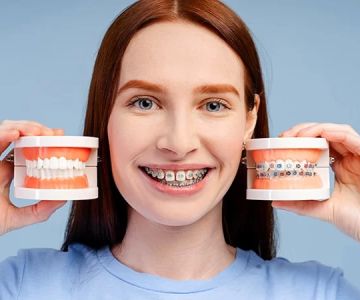
Metal braces are the most traditional and widely used type of braces. These braces consist of metal brackets attached to your teeth, connected by wires that gradually shift your teeth into the desired position. Metal braces are known for being highly effective in treating even the most complex dental issues. Though they are visible, advancements in technology have made them more comfortable and less noticeable than ever before.
1. Advantages of Metal Braces
Metal braces are ideal for patients with severe misalignment, overcrowding, or bite problems. They are known for their durability and strength, allowing for effective and precise teeth movement. Additionally, they tend to be more affordable than other options.
2. Considerations
While metal braces are highly effective, some people find them less aesthetically pleasing because they are visible. However, modern designs offer smaller, more comfortable brackets, and the use of colorful rubber bands allows for personalization.
Clear braces offer a more discreet alternative to metal braces. These braces work similarly to traditional braces but with a more aesthetically pleasing design. The brackets are made of clear materials that blend with the color of your teeth, making them less noticeable. Clear braces are particularly popular among adults who want an effective yet subtle treatment.
1. Advantages of Clear Braces
The biggest advantage of clear braces is their subtlety. Since the brackets are transparent or tooth-colored, they blend in with your teeth, making them less noticeable. This makes clear braces a great option for people who are self-conscious about wearing braces, especially in professional or social settings.
2. Considerations
Clear braces can sometimes be less durable than metal braces, and they may require more maintenance. They are also typically more expensive than metal braces, but many people find the aesthetic benefits worth the investment.
Ceramic braces are another aesthetically pleasing option, similar to clear braces, but the brackets are made from a ceramic material rather than clear plastic. These braces are less noticeable than traditional metal braces and are ideal for people who want a more subtle treatment option but don’t mind a slightly larger bracket than clear braces.
1. Advantages of Ceramic Braces
Ceramic braces are a good middle ground between traditional metal braces and clear braces. They are more discreet than metal braces but still offer strong results. The ceramic material is durable, and they can withstand the pressures of treatment effectively.
2. Considerations
Ceramic braces are more prone to staining than other types of braces, especially the clear elastic bands used to connect the brackets. Care must be taken to avoid staining foods or drinks like coffee, tea, and curry. They are also slightly more expensive than metal braces and can require a bit more maintenance.
Invisible braces, also known as clear aligners, are the most discreet option available today. These braces are a series of custom-made, clear plastic trays that fit snugly over your teeth. They gradually shift your teeth into position without the use of traditional brackets and wires. Invisible braces have become very popular among adults and teenagers who want a less noticeable and more flexible treatment.
1. Advantages of Invisible Braces
The main advantage of invisible braces is their discretion. Since the aligners are made from clear plastic, they are barely noticeable when worn. They also allow for greater flexibility since the aligners can be removed for eating, drinking, and cleaning, making them more comfortable and convenient than traditional braces.
2. Considerations
Invisible braces may not be suitable for all types of dental problems. They are best for mild to moderate misalignments, but for more complex issues, traditional braces may still be necessary. Additionally, they require a high level of discipline since the aligners need to be worn for 20-22 hours a day to be effective.
Choosing the right type of braces depends on your specific dental needs, lifestyle, and budget. Here are a few things to consider:
1. Severity of Dental Issues
If you have severe misalignment, overcrowding, or bite issues, traditional metal braces may be the most effective option. However, if your dental problems are less severe, clear braces or invisible aligners may be a good choice.
2. Aesthetics
If you’re concerned about the appearance of braces, clear or ceramic braces offer a more subtle look, while invisible braces are the least noticeable. Keep in mind that invisible aligners may not work for everyone, so it’s best to consult with an orthodontist to determine if they’re right for you.
3. Budget
Metal braces are typically the most affordable option, while clear braces and invisible aligners tend to be more expensive. Be sure to weigh the cost against the benefits and the treatment plan that works best for you.
4. Lifestyle
If you have a busy lifestyle and don’t want the hassle of maintaining traditional braces, invisible aligners may be the most convenient choice. However, if you don’t mind regular visits to the orthodontist and a more visible option, metal braces may suit you better.
Looking for personalized advice on which type of braces is best for you? Visit Dentistry Toothtruth for expert guidance and information on orthodontic treatments. Take the first step towards achieving your perfect smile today!

 Dino M. DeFilippis, DDS4.0 (10 review)
 Rainier Dental4.0 (157 review)
 Grant Park Dental Group4.0 (365 review)
 SoCO Smiles Orthodontics4.0 (187 review)
 Leading Edge Oral Surgery Plainview4.0 (708 review)
 Aloha Dental Group4.0 (289 review)
 The Importance of Oral Health Education During Pregnancy for a Healthy Pregnancy
 Best Tips for Brushing Your Teeth Properly for Healthy Gums: Essential Techniques for Oral Health
 Why Skipping Dental Checkups Can Lead to Bigger Oral Health Problems
 Advantages of Porcelain Dental Restorations
 How Can Diabetes Cause Tooth and Gum Problems? Preventing and Managing Oral Health Issues
 Healthy Habits for Promoting Good Oral Health and Hygiene: Tips for a Healthy Smile