
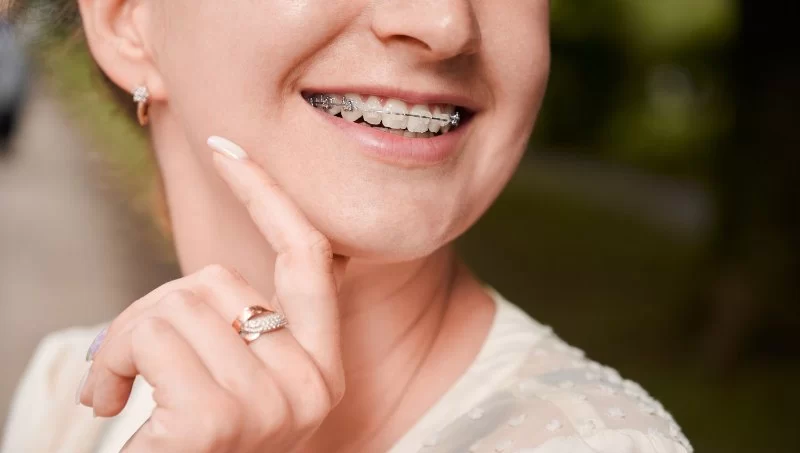
1. What Are Orthodontic Braces?
Orthodontic braces are dental devices used to straighten teeth, fix bite issues, and improve the overall appearance of your smile. I remember getting my braces as a teenager—it felt like a big change, but looking back, it was one of the best decisions for my dental health. Braces work by gradually moving teeth into their correct positions using constant pressure over time. They are made of metal, ceramic, or plastic, and they come in various types to suit different needs. Whether you're considering braces for yourself or your child, understanding the basics can help you make an informed decision.
1.1 The Purpose of Orthodontic Braces
Braces aren't just about achieving a perfect smile; they also help correct various dental issues, such as:
- Overbite or Underbite: When the upper and lower teeth don't align properly.
- Crowded or Crooked Teeth: When teeth overlap or don’t have enough space.
- Gaps Between Teeth: When there’s excess space between teeth.
- Jaw Alignment Issues: To improve how the upper and lower jaws fit together.
By addressing these issues, braces can improve not only the appearance of your teeth but also your overall oral health, as misaligned teeth can lead to difficulty cleaning, gum disease, and even jaw pain over time.
2. Different Types of Orthodontic Braces
When it comes to braces, there’s no one-size-fits-all solution. Various types of braces are available, and each has its unique features and benefits. Choosing the right type of braces depends on your dental needs, preferences, and budget. Here's a breakdown of the most common options:
2.1 Traditional Metal Braces
Traditional metal braces are the most common and widely recognized type. They consist of metal brackets that are attached to the teeth, and a metal wire runs through these brackets. Over time, the orthodontist tightens the wire, gradually shifting your teeth into the correct position. While metal braces are the most noticeable, they are also the most effective for treating complex dental issues.
2.2 Ceramic Braces
Ceramic braces are similar to traditional metal braces but with a more discreet appearance. The brackets are made of clear or tooth-colored ceramic, making them less visible. This option is popular among teens and adults who are concerned about the aesthetic impact of metal braces. However, ceramic braces can be more fragile and may require extra care to avoid staining.
2.3 Invisalign (Clear Aligners)
Invisalign is a popular alternative to traditional braces, offering a more discreet way to straighten teeth. Instead of brackets and wires, Invisalign uses clear plastic aligners that are custom-made to fit your teeth. The aligners are removable, allowing for easier brushing, flossing, and eating. Although Invisalign is effective for mild to moderate dental issues, it's not always suitable for severe misalignments.
2.4 Lingual Braces
Lingual braces work like traditional metal braces but are placed on the inside of the teeth, making them virtually invisible. This makes them a great option for people who want the benefits of braces without the visible appearance. However, lingual braces can be more challenging to clean and may cause discomfort initially, especially when speaking.
3. How Do Orthodontic Braces Work?
Orthodontic braces work through the principle of applying constant, gentle pressure to the teeth, gradually moving them into their proper positions. The process takes time—typically 1 to 3 years, depending on the complexity of the issue. Here's how the process works:
3.1 Applying the Pressure
Braces apply pressure to the teeth using brackets and wires (in the case of metal, ceramic, or lingual braces) or aligners (like Invisalign). The pressure causes the bone surrounding the teeth to reshape, allowing the teeth to shift slowly over time. It's this consistent pressure that brings about changes to the alignment of the teeth.
3.2 The Role of Adjustments
As your teeth move, regular visits to your orthodontist are necessary to adjust the braces. Each adjustment helps guide your teeth into the desired position. The orthodontist may tighten or replace the wires, or, in the case of clear aligners, provide you with a new set of aligners every few weeks.
3.3 The Final Results
By the end of treatment, your teeth will have shifted into their new positions, and your bite will be aligned properly. You'll be able to enjoy the benefits of improved oral health, a more beautiful smile, and greater comfort when eating and speaking.
4. What to Expect When Getting Braces
Getting braces involves several steps, from the initial consultation to the placement of the braces and eventual removal. Here's a general overview of what you can expect during your orthodontic journey:
4.1 The Initial Consultation
The first step is to schedule an appointment with an orthodontist for a consultation. During this visit, the orthodontist will assess your dental needs by taking X-rays, digital scans, or impressions of your teeth. Based on the results, they'll discuss the best treatment options for you and the type of braces that would work best.
4.2 Placing the Braces
Once you've decided on the type of braces, the next step is the placement. This process typically takes a couple of hours. The orthodontist will clean your teeth, apply brackets (for metal or ceramic braces), and attach the wires. For Invisalign, the aligners will be fitted, and you'll be given instructions on how to use them properly.
4.3 Adjustments and Maintenance
After your braces are placed, you'll need to visit your orthodontist regularly—usually every 4 to 6 weeks—for adjustments. These visits are crucial to ensuring that your teeth continue to move into the desired position. During these visits, the orthodontist may also provide tips on maintaining your braces, including brushing and flossing techniques and dietary recommendations.
4.4 The Removal of Braces
When your treatment is complete, the braces will be removed. This process is typically quick and pain-free. Afterward, your orthodontist may provide you with a retainer to help maintain your new smile and prevent your teeth from shifting back.
5. Benefits of Getting Orthodontic Braces
While the primary benefit of orthodontic braces is a straighter smile, there are several other reasons why getting braces is a good idea. Here are some of the key benefits:
5.1 Improved Oral Health
Braces help align your teeth, making it easier to clean them and reducing the risk of cavities and gum disease. Misaligned teeth can trap food and plaque, leading to decay, but braces help eliminate these problem areas.
5.2 Better Bite Function
Braces can correct bite issues such as overbites, underbites, and crossbites, improving your ability to chew and speak properly. A misaligned bite can cause discomfort and wear on your teeth, but braces help prevent these problems.
5.3 Boosted Confidence
A straighter smile can significantly boost your self-esteem. Many people feel more confident after completing their orthodontic treatment, and the impact on their social and professional lives can be profound.
5.4 Long-Term Benefits
By investing in orthodontic braces, you're setting yourself up for long-term oral health benefits. Straight teeth are easier to clean, more durable, and less likely to suffer from wear and tear as you age.




 Assembly Square Family Dental4.0 (4 review)
 Dr. Sum Li, DDS3.0 (8 review)
 Holistic Dental Wellness Center - Iman Abdeshahian, DMD4.0 (166 review)
 Elegant Dentistry, Brett Sperry DMD5.0 (3 review)
 Johnson Ebenezer DDS4.0 (12 review)
 Dental Faculty Practice3.0 (37 review)
 The Importance of Oral Health Education During Pregnancy for a Healthy Pregnancy
 Best Tips for Brushing Your Teeth Properly for Healthy Gums: Essential Techniques for Oral Health
 Why Skipping Dental Checkups Can Lead to Bigger Oral Health Problems
 Advantages of Porcelain Dental Restorations
 How Can Diabetes Cause Tooth and Gum Problems? Preventing and Managing Oral Health Issues
 Healthy Habits for Promoting Good Oral Health and Hygiene: Tips for a Healthy Smile