
Essential Dental Tools for Effective Home Care
- Importance of Dental Tools
- Must-Have Dental Tools
- How to Use Dental Tools Effectively
- Where to Buy Quality Dental Tools
1. Importance of Dental Tools
Maintaining good oral hygiene is crucial for overall health, and dental tools play a significant role in keeping your teeth and gums healthy. Proper care at home can help prevent cavities, gum disease, and other oral health issues. While regular visits to the dentist are essential, having the right dental tools at home can complement your routine and ensure that your teeth are well-maintained.
From flossing to brushing, the right dental tools can make a big difference in maintaining a healthy smile. It’s important to use the correct tools to target specific areas and address different aspects of dental care, ensuring a comprehensive and effective hygiene routine.
2. Must-Have Dental Tools
There are several essential dental tools that every home should have. Here are some of the must-have tools that will help keep your oral health in check:
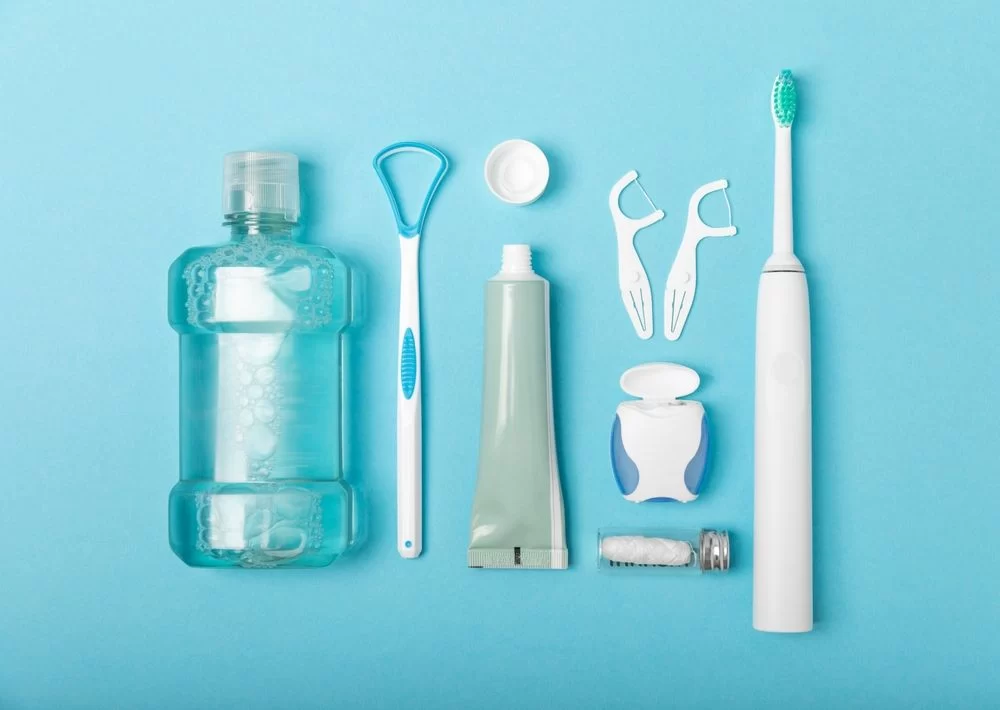
- Toothbrush: A high-quality toothbrush with soft bristles is a fundamental tool for dental hygiene. Whether you choose a manual or electric toothbrush, make sure it is comfortable to use and reaches all areas of your mouth.
- Dental Floss: Flossing is crucial for removing food particles and plaque from between your teeth and along the gum line, areas that a toothbrush can’t always reach. Regular flossing helps prevent cavities and gum disease.
- Tongue Scraper: The tongue is home to bacteria that can lead to bad breath and contribute to overall oral health issues. A tongue scraper can effectively clean the surface of your tongue, promoting fresher breath and cleaner teeth.
- Interdental Brushes: For those with larger gaps between their teeth, interdental brushes are an excellent tool for removing plaque and food particles. These small brushes are easy to use and perfect for getting into tight spaces.
- Water Flosser: A water flosser is an alternative to traditional flossing, using a pulsating stream of water to clean between teeth and along the gum line. It’s particularly beneficial for individuals with braces or sensitive gums.
Having these dental tools at your disposal allows for a thorough cleaning process and ensures that you maintain a healthy smile between dentist visits.
3. How to Use Dental Tools Effectively
Using dental tools correctly is just as important as having the right tools in the first place. Here are some tips on how to get the most out of your dental tools:
- Toothbrush: Brush your teeth for at least two minutes, making sure to cover all surfaces, including the front, back, and chewing surfaces. Use gentle, circular motions to avoid damaging your gums.
- Dental Floss: Take about 18 inches of floss and gently slide it between your teeth. Curve the floss into a C shape around each tooth and move it up and down to remove plaque.
- Tongue Scraper: Gently scrape the surface of your tongue from back to front, rinsing the scraper after each use. Be careful not to apply too much pressure to avoid irritation.
- Interdental Brushes: Insert the brush between your teeth and gently move it back and forth to clean the space. These brushes are ideal for those who struggle with traditional flossing.
- Water Flosser: Position the nozzle at the gum line and use a pulsating water stream to clean between your teeth and along the gum line. Start with the lowest setting to avoid discomfort, and gradually increase the pressure as needed.
Consistency and proper technique are key when using dental tools. Taking the time to use them correctly will ensure that you are doing everything you can to protect your teeth and gums.
4. Where to Buy Quality Dental Tools
When purchasing dental tools, it’s important to invest in quality products that are built to last and perform effectively. Here are some reliable options for purchasing dental tools:
- Online Retailers: Websites like Amazon and Walmart offer a wide selection of dental tools from trusted brands. You can compare prices, read reviews, and find tools that suit your specific needs.
- Specialty Stores: Many stores specialize in oral care products, such as dentistry-specific retailers. These stores often carry professional-grade tools that are recommended by dental professionals.
- Dental Offices: Some dentists sell high-quality dental tools directly to their patients. These tools are often more specialized and may offer additional benefits for those looking to maintain excellent oral hygiene at home.
Whether you're looking for basic tools like toothbrushes and floss or more advanced products like water flossers, you can find reliable and effective options from trusted retailers.
If you're ready to take your oral health to the next level, explore Dentistry Toothtruth for more dental tools and expert recommendations.






 Metro Smiles Gage Park2.0 (36 review)
 Dr. Kwon Pediatric Dentistry Sedation Center4.0 (133 review)
 Rich Orthodontics -Willow Grove3.0 (39 review)
 Southside Community Health Services4.0 (186 review)
 Gentle Dental Avondale4.0 (208 review)
 Central Carolina Oral & Maxillofacial Surgery5.0 (51 review)
 The Importance of Oral Health Education During Pregnancy for a Healthy Pregnancy
 Best Tips for Brushing Your Teeth Properly for Healthy Gums: Essential Techniques for Oral Health
 Why Skipping Dental Checkups Can Lead to Bigger Oral Health Problems
 Advantages of Porcelain Dental Restorations
 How Can Diabetes Cause Tooth and Gum Problems? Preventing and Managing Oral Health Issues
 Healthy Habits for Promoting Good Oral Health and Hygiene: Tips for a Healthy Smile