
Emergency Dental Care for Chipped Teeth: What You Need to Know
- Understanding Chipped Teeth
- When to Seek Emergency Dental Care
- What to Do Before Seeing a Dentist
- Treatment Options for Chipped Teeth
- Preventing Future Damage to Your Teeth
- Real-Life Case Studies
Understanding Chipped Teeth
Chipped teeth are a common dental issue that can occur for various reasons. Whether it's from biting into something hard, an accident, or even grinding your teeth at night, a chipped tooth can cause discomfort, affect your appearance, and lead to further dental complications if not treated promptly. While minor chips might not cause pain or sensitivity, it's important to address them as soon as possible to avoid more serious damage.
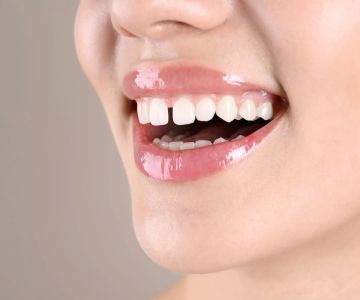
Chipped teeth can be classified into different levels of severity. A small chip may only affect the enamel, while a deeper chip might expose the sensitive dentin beneath the enamel. In more severe cases, the chip can extend into the pulp, causing pain and possibly infection. Understanding the extent of the damage will help determine the right course of treatment, which is why emergency dental care is often necessary.
When to Seek Emergency Dental Care
Knowing when to seek emergency dental care for chipped teeth is crucial. If you experience any of the following, it's important to visit a dentist immediately:
- Pain or Sensitivity: If the chipped tooth causes significant pain or sensitivity to hot or cold temperatures, it could indicate nerve exposure, which requires immediate attention.
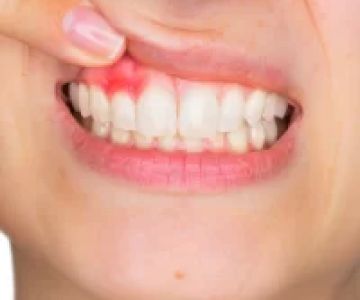
- Bleeding or Swelling: If the chip causes bleeding or swelling in the gums, it’s a sign of a deeper injury that needs professional treatment.
- Sharp Edges: If the chip leaves behind sharp edges, it can cut your tongue or the inside of your mouth, causing further discomfort and potential injury.
- Visible Damage: If the chip is large and you can visibly see the dentin or pulp, it’s essential to get emergency dental care to prevent infection.
Even if the chip is small, it's always a good idea to schedule a dental visit. A chipped tooth can weaken the tooth structure, and over time, it can lead to cracks or breakage, which might require more extensive procedures like crowns or root canals.
What to Do Before Seeing a Dentist
If you’ve chipped your tooth, here are some steps you can take before getting to the dentist:
- Rinse with Warm Water: Gently rinse your mouth with warm water to clean the area and prevent infection. Avoid using hot or cold water, as this can cause discomfort if you have exposed nerves.
- Apply a Cold Compress: To reduce swelling or pain, apply a cold compress to the outside of your mouth or cheek near the affected area. This can help numb the area and reduce inflammation.
- Save the Tooth Fragment: If the chip is significant and a piece of the tooth breaks off, try to save the fragment. Store it in a clean container with some milk or saliva, and bring it with you to your emergency dental appointment. In some cases, the dentist may be able to reattach the piece.
- Avoid Hard Foods: Until you can see a dentist, avoid eating hard or sticky foods that could worsen the damage or cause further pain.
Treatment Options for Chipped Teeth
Once you've sought emergency dental care, your dentist will evaluate the damage and recommend the best treatment option based on the severity of the chip. Here are some common treatments for chipped teeth:
1. Bonding
For small chips, dental bonding may be used. This process involves applying a tooth-colored resin to the chipped area, which is then shaped to match the natural contours of the tooth. Bonding is a quick and affordable option that can restore the tooth’s appearance and function.
2. Veneers
If the chip is more significant but does not affect the tooth’s structure, a veneer might be the best solution. Veneers are thin shells of porcelain or composite material that cover the front of the tooth, restoring both function and appearance. This option is durable and looks natural.
3. Crowns
For more severe chips that affect the structure of the tooth, a dental crown may be necessary. Crowns are custom-made to fit over the entire tooth, providing strength and protection. They can be made from porcelain, ceramic, or metal, and are designed to look and feel like natural teeth.
4. Root Canal Treatment
If the chip exposes the tooth’s pulp or causes infection, a root canal might be needed to remove damaged tissue and prevent further infection. After the root canal, the tooth is typically restored with a crown for protection.
Preventing Future Damage to Your Teeth
While accidents happen, there are several steps you can take to reduce the risk of chipping your teeth in the future:
- Wear a Mouthguard: If you play contact sports or grind your teeth at night, wearing a custom mouthguard can help protect your teeth from damage.
- Avoid Hard Foods: Be mindful of chewing hard foods, such as ice, nuts, or hard candy, which can cause chips or cracks in your teeth.
- Maintain Regular Dental Visits: Regular checkups with your dentist can help identify potential issues before they become serious, keeping your teeth strong and healthy.
Real-Life Case Studies
To highlight the importance of emergency dental care, let’s look at a few real-life examples of patients who sought treatment for chipped teeth:
Case Study 1: Sarah’s Sports Injury
Sarah, a 29-year-old soccer player, chipped her front tooth after a collision during a game. She immediately applied a cold compress and scheduled an emergency dental appointment. After the dentist assessed the damage, Sarah received bonding treatment to restore her tooth. The quick action prevented further damage, and Sarah was back on the field within a week with a fully restored smile.
Case Study 2: John’s Late-Night Snack
John, a 45-year-old accountant, accidentally chipped a molar while eating a hard candy late at night. He felt discomfort the next morning, so he visited an emergency dentist. John underwent a root canal and had a crown placed on his molar to restore it. Thanks to prompt care, he avoided further complications, and his tooth is as good as new.

 Choice One Dental of Buford4.0 (390 review)
 St. Bernard Hospital Dental Center3.0 (44 review)
 City Line Dentistry4.0 (54 review)
 Dr. David Scharf - Long Island Periodontist & Dental Implants4.0 (234 review)
 Hurd Family Dental4.0 (39 review)
 Sierra Family Dentistry4.0 (17 review)
 The Importance of Oral Health Education During Pregnancy for a Healthy Pregnancy
 Best Tips for Brushing Your Teeth Properly for Healthy Gums: Essential Techniques for Oral Health
 Why Skipping Dental Checkups Can Lead to Bigger Oral Health Problems
 Advantages of Porcelain Dental Restorations
 How Can Diabetes Cause Tooth and Gum Problems? Preventing and Managing Oral Health Issues
 Healthy Habits for Promoting Good Oral Health and Hygiene: Tips for a Healthy Smile