
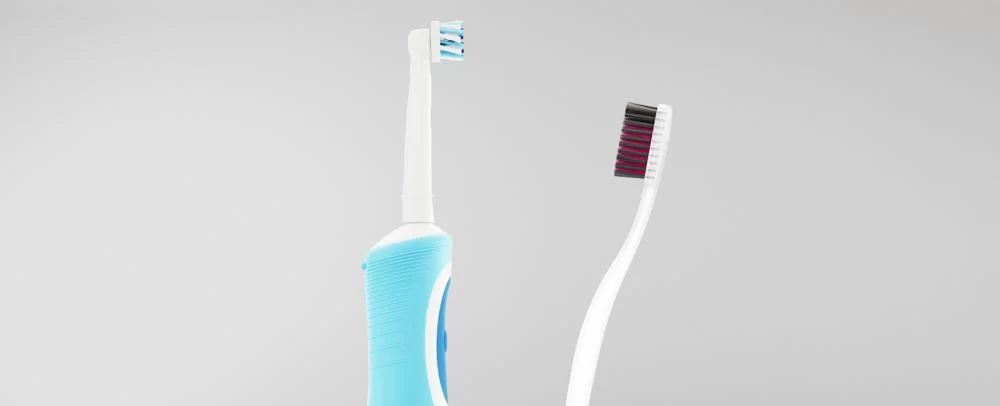
Are Electric Toothbrushes More Effective Than Manual Ones? Understanding the Benefits and Differences
- 1. What Makes Electric Toothbrushes Different?
- 2. The Science Behind Electric Toothbrushes: Are They Really Better?
- 3. Real-World Results: Do Electric Toothbrushes Perform Better?
- 4. Key Benefits of Electric Toothbrushes Over Manual Ones
- 5. Manual Toothbrushes: Can They Still Be Effective?
- 6. Choosing the Right Toothbrush for You
1. What Makes Electric Toothbrushes Different?
Electric toothbrushes are designed with advanced technology that allows the brush head to rotate or oscillate at high speeds. Unlike manual brushes, where the user does all the work, electric toothbrushes do the heavy lifting. This design typically leads to more efficient brushing with less effort, making it an appealing option for many people looking to improve their oral hygiene routine.
While manual toothbrushes rely on the user’s technique, electric brushes often feature built-in timers, pressure sensors, and multiple brushing modes, adding extra convenience and control. But are these features enough to make electric toothbrushes more effective? Let’s take a deeper look.
2. The Science Behind Electric Toothbrushes: Are They Really Better?
Numerous studies have shown that electric toothbrushes are generally more effective than manual ones at reducing plaque and gingivitis. The rapid movement of the brush head creates a better, more thorough clean, even in hard-to-reach areas. According to the American Dental Association (ADA), electric toothbrushes are particularly effective at removing plaque buildup due to their consistent brushing motion.
Electric toothbrushes also provide a more uniform brushing action. Unlike manual brushing, which can be inconsistent based on the user’s technique, electric toothbrushes deliver constant, precise strokes that ensure optimal cleaning. Studies have found that electric brushes remove about 21% more plaque and reduce gingivitis by 11% compared to manual brushing after three months of use.
3. Real-World Results: Do Electric Toothbrushes Perform Better?
In practice, many people report noticeable improvements in their oral health after switching to electric toothbrushes. Take, for example, Claire, a 45-year-old woman who had struggled with plaque buildup despite brushing regularly with a manual toothbrush. After switching to an electric toothbrush, she noticed a significant reduction in plaque and her gums became healthier.
Claire isn’t alone. Many users of electric toothbrushes share similar success stories. The consistent motion of the electric toothbrush means people are less likely to miss areas in their mouth, which can be a problem with manual brushing if someone’s technique isn’t perfect. This leads to better overall dental health, especially for those prone to plaque and tartar buildup.
4. Key Benefits of Electric Toothbrushes Over Manual Ones
There are several reasons why electric toothbrushes can be considered superior to manual ones, including:
- More Efficient Cleaning: The automated movement of the brush head allows electric toothbrushes to clean more effectively, especially in hard-to-reach areas.
- Built-in Timers: Many electric toothbrushes have timers that ensure you brush for the recommended two minutes, which is often overlooked with manual brushing.
- Less Effort: With electric toothbrushes, the device does most of the work, which can be especially beneficial for people with arthritis or other conditions that limit hand mobility.
- Better Plaque Removal: Studies show that electric toothbrushes remove more plaque than manual brushes, contributing to healthier gums and a reduced risk of cavities.
These benefits make electric toothbrushes a popular choice for those looking to improve their oral hygiene routine. But do manual toothbrushes still have a place in modern dental care?
5. Manual Toothbrushes: Can They Still Be Effective?
Despite the advantages of electric toothbrushes, manual toothbrushes can still be highly effective if used correctly. The key lies in technique—ensuring you brush for the full two minutes and using the right brushing motion. Manual brushes also come with their own set of benefits, such as being more affordable and widely available.
For many people, a manual toothbrush can still get the job done, especially if they are diligent about their brushing habits. If you prefer a manual brush, the ADA recommends using a soft-bristled brush and replacing it every three to four months for optimal effectiveness.
6. Choosing the Right Toothbrush for You
Choosing between an electric and manual toothbrush depends largely on your personal preferences and dental needs. If you struggle with plaque buildup, want a deeper clean, or have difficulty brushing due to mobility issues, an electric toothbrush might be the right choice for you. On the other hand, if you are looking for a more affordable, simple option, and you can maintain proper brushing technique, a manual toothbrush can still provide excellent results.
Ultimately, the best toothbrush is one that you will use consistently and correctly. Both electric and manual brushes can keep your teeth clean, but it’s up to you to decide which option fits your lifestyle best.
Interested in upgrading your toothbrush? Check out the latest electric toothbrush models at Dentistry Toothtruth for expert recommendations and affordable prices.






 Dr. Sandra G. Reyes DDS4.0 (74 review)
 Topaz Dentistry & Braces3.0 (216 review)
 Oshiro Dental4.0 (5 review)
 The Implant Center at Comprehensive Dental4.0 (421 review)
 Mortenson Family Dental4.0 (451 review)
 Surprise Dental & Denture4.0 (777 review)
 The Importance of Oral Health Education During Pregnancy for a Healthy Pregnancy
 Best Tips for Brushing Your Teeth Properly for Healthy Gums: Essential Techniques for Oral Health
 Why Skipping Dental Checkups Can Lead to Bigger Oral Health Problems
 Advantages of Porcelain Dental Restorations
 How Can Diabetes Cause Tooth and Gum Problems? Preventing and Managing Oral Health Issues
 Healthy Habits for Promoting Good Oral Health and Hygiene: Tips for a Healthy Smile